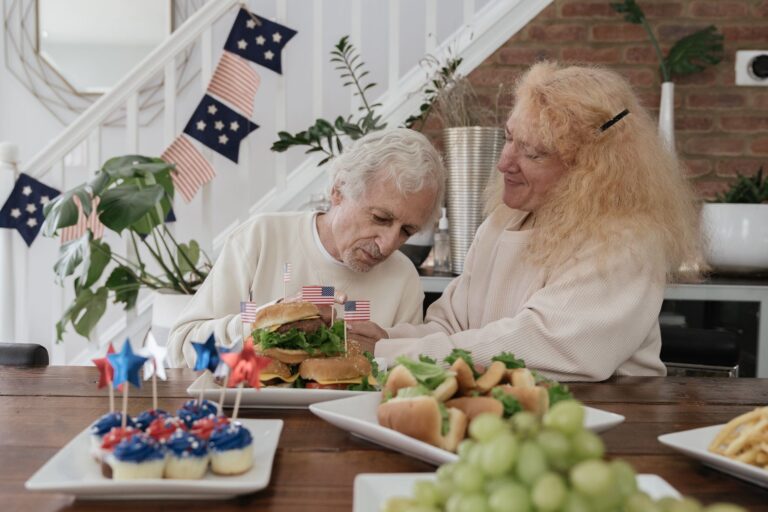
Compulsive eating in home dementia care needs urgent GP or NHS 111 review for repeated coughing, gurgly voice, breathlessness, or chest infections after meals. It needs a 999 call for inability to breathe or speak, gasping, pale or blue skin and lips, sudden confusion, or collapse. Compulsive eating means repeated gorging on sweets and starches, taking food from others, demanding the same meal, or fixating on one food. Doctors call this pattern hyperorality, a core feature of behavioral-variant frontotemporal dementia, a dementia type that changes behavior and impulse control.
Medical information disclaimer: This article is for general educational purposes only and does not provide medical advice, diagnosis, or treatment. Always consult a physician or other qualified health professional about symptoms, medications, tests, or treatment decisions.
Table of Contents
- What does compulsive eating look like at home?
- Why do fast, crammed mouthfuls raise choking risk?
- Which mealtime signs need urgent GP or 111 review?
- When should you call 999?
- Why can't compulsive eating alone diagnose dementia type?
What does compulsive eating look like at home?
Behavioral-variant frontotemporal dementia often changes eating early. University of California San Francisco Memory and Aging Center authors list hyperorality and dietary changes among core diagnostic criteria the international consensus review. That includes altered food preferences, binge eating, and oral exploration of inedible objects.
Family Caregiver Alliance notes caregivers most often see gorging on sweet and starchy foods, taking food from others' plates, demanding the same meal repeatedly, and fixating on specific foods. UC San Francisco researchers describe the same pattern as gorging sweets and carbohydrates with substantial weight gain. Watch for new rigidity, such as refusal to eat anything except one dish.
Why do fast, crammed mouthfuls raise choking risk?
Cramming large amounts of food, overfilling the mouth, and eating very fast raise choking risk in dementia. Worcestershire Acute Hospitals NHS Trust advises altered food textures plus short prompts to slow eating for this pattern its dementia and dysphagia advice. Sit the person upright, offer small bites, and pause between spoonfuls.
Swallowing problems also appear in middle and late Alzheimer's disease. Alzheimer's Association guidance says these problems can cause choking and weight loss. It advises avoiding hard-to-chew foods and alerting the doctor about frequent choking.
Which mealtime signs need urgent GP or 111 review?
Worcestershire Acute Hospitals NHS Trust and NHS 111 Wales guidance says coughing or choking during meals needs urgent review. The same applies to wet or gurgly voice, breathlessness after eating, or repeated chest infections. These signs should prompt a speech-and-language referral for swallow assessment.
NHS 111 Wales lists cough, phlegm, fever, chest pain, breathlessness, fatigue, loss of appetite, and confusion as common pneumonia signs in older people. Food, drink, or saliva entering the lungs can cause aspiration pneumonia. Do not wait for weight loss to seek help when chest infections keep returning.
- coughing or choking during meals
- wet or gurgly voice after swallowing
- breathlessness after eating
- repeated chest infections
- fever with cough, phlegm, chest pain, fatigue, or new confusion
When should you call 999?
Call 999 for struggling to breathe with choking or gasping. NHS 111 Wales advises emergency help for inability to speak, pale, blue, or blotchy skin, lips or tongue, sudden confusion, or collapse its pneumonia emergency advice. Stay with the person and follow the dispatcher's instructions.
Do not drive to A&E during these signs. Keep a clear record of the time symptoms started, foods eaten, and choking episodes. Give that record to paramedics and the hospital team.
Why can't compulsive eating alone diagnose dementia type?
Possible behavioral-variant frontotemporal dementia requires three repeated behavioral features plus functional decline. International consensus criteria summarized in the PMC review set that threshold.
Medical evaluation must also exclude medication effects, dysphagia, and metabolic causes. Track what changed, when it started, and how often it repeats. Bring a dated list of eating changes, choking episodes, medicines, and weight change to the appointment.