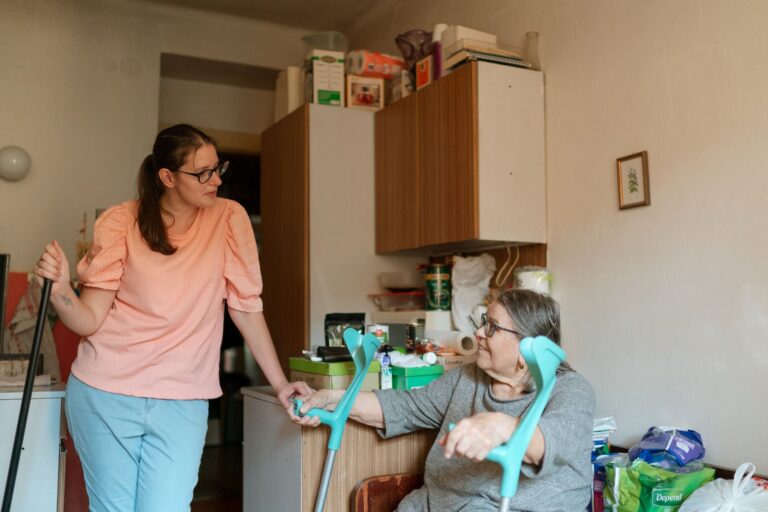
Dementia respite care is short-term supervised care that lets a family caregiver rest while the person with dementia stays safe. During the current caregiver strain, families should match the service to assessed needs and check staffing, safety, and quality before booking. Nearly 12 million Americans gave unpaid dementia care in 2024, over 19 billion hours valued at $413.4 billion, according to the Alzheimer's Association in its November 2025 caregiver awareness report. Only 13% of 63 million family caregivers receive respite while 39% say it would help, according to the National Alliance for Caregiving in its April 2026 respite factsheet.
Medical information disclaimer: This article is for general educational purposes only and does not provide medical advice, diagnosis, or treatment. Always consult a physician or other qualified health professional about symptoms, medications, tests, or treatment decisions.
Table of Contents
- What respite covers
- Why staff are harder to find
- How to check safety and quality
- How to make the break help
What respite covers
Respite takes three common forms. An aide visits the home for hours or overnight. An adult-day program covers daytime supervision, meals, and activities. A facility provides a short overnight stay. Standard Medicare pays for respite only under hospice.
The hospice team arranges short-term inpatient respite, up to 5 days per episode with 5% coinsurance, according to Centers for Medicare & Medicaid Services on its current hospice coverage page. Ask the hospice nurse, facility, or adult-day director what dementia supervision, night coverage, and backup staffing each option includes. CMS launched the GUIDE dementia model on July 1, 2024. The program includes 390 organizations building Dementia Care Programs with care coordination plus caregiver education and respite to help people stay home. Ask your clinic or Area Agency on Aging whether a local GUIDE program serves your ZIP code.
Why staff are harder to find
Home help runs on a large, low-wage workforce with high turnover. Home health and personal care aides earned a median $34,900 in 2024 and face projected growth of 17% in 2024-2034, with 739,800 added jobs and 765,800 openings yearly. That churn strains respite schedules, especially nights, weekends, and holidays.
Low uptake adds pressure. Many families wait until exhaustion, then need urgent coverage. Late requests face fewer trained aides, weaker backup, and rushed intake. Plan one regular break before a crisis, even a four-hour home visit or one adult-day session.
How to check safety and quality
Start with public ratings for facility stays. Medicare Care Compare gives each certified nursing home a 1-5 star overall rating plus separate health-inspection, staffing, and quality ratings using payroll hours and turnover data. Compare weekend staffing, turnover, and recent inspections, not the overall star alone. For home and day programs, ask direct questions.
Use the same checklist each time so answers stay comparable. Visit before booking when possible. Watch meals, toileting help, noise, locked doors, and staff tone. Leave if staff dodge staffing questions or bar family visits.
- Ask about background checks, dementia training, and supervision for aides and drivers.
- Ask who covers nights, weekends, callouts, and hospital transfers.
- Ask about staff turnover, client-to-staff ratios, and same-aide continuity.
- Ask about falls, wandering, medication handling, and family communication.
How to make the break help
Respite helps most when dose, activities, and caregiver needs fit. Evidence shows caregiver well-being, hardship, and family relationships improve when services match assessed needs. A calm routine, familiar foods, and clear sleep and sundowning plans matter more than a long stay.
The benefit varies for dementia, so tailor the plan. Adult-day and in-home studies show burden and depression fall only when hours, activities, and support fit the caregiver and person. Share wandering risks, triggers, calming steps, medications, and emergency contacts in writing. Start with a short trial, review sleep, mood, and injuries, then adjust hours or change providers.