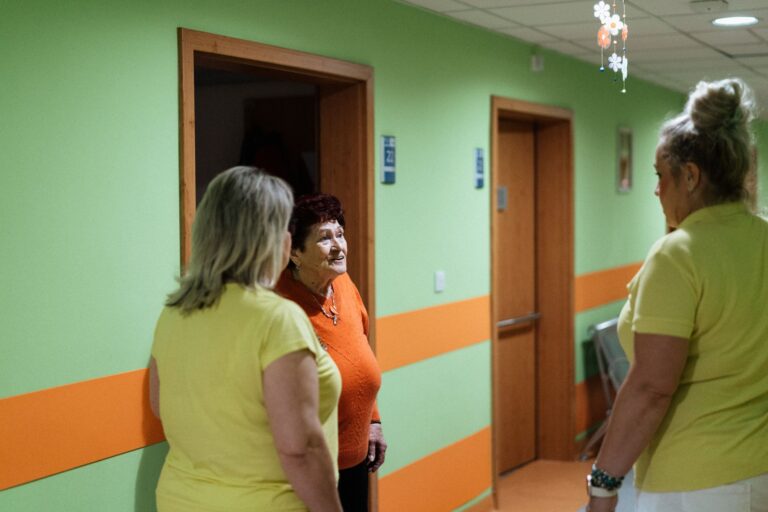
People living with dementia often get lost in familiar places, even at home or on routine walks. Common triggers include stress, unmet physical needs and navigation problems, while steady routines, daytime activity and simple safeguards help. Respite care means short-term supervised coverage so family caregivers can rest. The Alzheimer's Association guidance on wandering reports that six in 10 people living with dementia will wander at least once, often repeatedly.
Medical information disclaimer: This article is for general educational purposes only and does not provide medical advice, diagnosis, or treatment. Always consult a physician or other qualified health professional about symptoms, medications, tests, or treatment decisions.
Table of Contents
- What does getting lost early look like?
- What triggers wandering in familiar places?
- What steadies the day?
- Which safeguards help during respite stays?
- How does respite care lower risk?
What does getting lost early look like?
The CDC guidance on dementia signs and symptoms lists getting lost in a familiar neighborhood as a possible dementia sign to discuss with a clinician. That differs from occasionally misplacing keys or briefly forgetting a word. In daily life, watch for small changes in routine movement.
The Alzheimer's Association points to late returns, forgotten routes and trouble finding rooms as warning signs. A person may take the usual hallway but open the wrong door. A driver may miss a familiar turn and keep going.
- returning late from a routine walk or drive
- forgetting how to reach familiar places
- trouble locating the bathroom, bedroom or dining room
What triggers wandering in familiar places?
Mayo Clinic reporting via MedicalXpress describes common triggers as stress or fear in crowded places, searching for a past person or place, hunger, thirst or needing the bathroom, and visual-spatial problems that impair navigation. These triggers can combine during a normal outing or family visit. The National Council on Aging notes that risk rises with a changed routine or environment, late afternoon or early evening, busy or overstimulating places, and medication changes.
A new respite worker, a different bedroom or a loud lobby can add strain. For example, hunger plus noise may prompt a search for home. An evening shift change may prompt restless pacing toward a door.
What steadies the day?
The Alzheimer's Association advises structured daytime activities and exercise, engagement during the person's peak restlessness period, and prompt help with toileting, food and hydration. Meeting needs early lowers urgency to search or pace. Plan movement, rest and meals at steady times.
Match harder outings to calmer hours and keep evenings quiet and familiar. A short morning walk can use energy well. A calm chair, drink and bathroom trip can prevent an afternoon exit attempt.
- offer a walk, music, chores or simple exercise each day
- schedule company and activity when restlessness usually peaks
- check hunger, thirst, pain and bathroom needs before agitation builds
Which safeguards help during respite stays?
The Alzheimer's Association recommends door chimes or alarms, locks placed out of direct sight, hidden keys and coats, ID jewelry, enrollment in MedicAlert plus Safe Return, GPS trackers and a current photo. These tools slow an exit and speed a safe return. Tell respite staff about usual routes, hiding spots and past wandering times.
Show which doors, stairways and parking areas need closest watch. Test chimes and locks before the stay starts. Keep lighting clear near bathrooms and bedrooms to reduce wrong turns at night.
- place chimes on exit doors and keep keys, coats and shoes out of view
- use ID jewelry and keep a recent photo and clothing description ready
- share emergency contacts, medical needs and Safe Return or GPS details
How does respite care lower risk?
Respite care gives supervised coverage while caregivers sleep, work or handle other tasks. A rested caregiver can notice warning signs faster and keep routines steady. Federal support includes a five-year Administration for Community Living award to the Alzheimer's Association for dementia-specific respite innovation spanning Nov. 2023-Oct.
2028. Ask local programs what training, hours and supervision they offer for wandering risk. Bring the daily schedule, activity likes, calm-down steps and safeguard checklist to intake. Keep a current photo handy for staff and first responders.