Start with 2-3 short beginner dance sessions each week with warm-up, support and rest days. Build slowly toward 150 minutes of moderate aerobic activity weekly plus strength and balance work. A brain health plan means weekly habits that support memory and thinking. Dancing fits because it combines movement, steps, music and company in one activity.
Medical information disclaimer: This article is for general educational purposes only and does not provide medical advice, diagnosis, or treatment. Always consult a physician or other qualified health professional about symptoms, medications, tests, or treatment decisions.
Table of Contents
- What links dance to brain health?
- How much activity should you build toward?
- How do you prepare your body and shoes?
- How do you make dancing safer at home?
- What does a starter week look like?
What links dance to brain health?
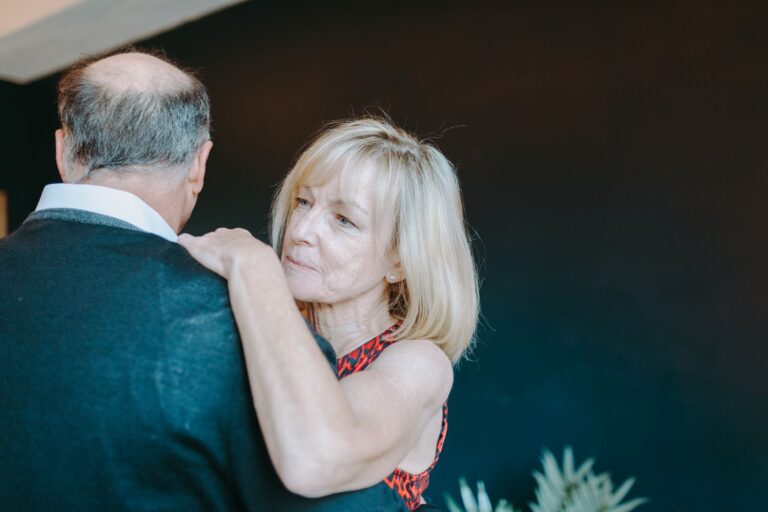
Frequent dancing, defined as more than once per week, was associated with about 76% lower dementia incidence among 469 adults ages 75-85 followed about 5 years. The New England Journal of Medicine 2003 study by Verghese et al., described in Sept. 2026, found it was the only physical leisure activity significant in that cohort NEJM study summary. Higher leisure-time activity such as walking, cycling, sports, dancing or gym exercise was associated with 24% lower dementia risk.
USC reported Aug. 18, 2026 that this came from a pooled analysis of 74 studies with 4.2 million adults ages 45-93 in 30 countries USC report on movement and dementia risk. A structured program that combined aerobic exercise, nutrition, cognitive and social activity and health monitoring improved global cognition over 2 years. The Alzheimer's Association U.S. POINTER results studied 2,111 adults ages 60-79 at elevated risk of decline.
How much activity should you build toward?
Older adults need at least 150 minutes of moderate aerobic activity each week, such as brisk walking. The CDC overview, updated Dec. 4, 2025, also calls for muscle-strengthening on at least 2 days plus balance activities such as standing on one foot CDC older adult activity guidelines.
The structured POINTER recipe used 30-35 minutes of moderate-to-intense aerobic activity 4 times per week. It added strength and flexibility exercises twice weekly, alongside MIND-diet eating and blood-pressure and weight monitoring. Observational links do not prove dancing prevents dementia for any individual. A practical plan is 2-3 short beginner dance sessions weekly, progressing toward the 150-minute aerobic plus strength-balance target.
How do you prepare your body and shoes?
Build slowly from your current fitness to avoid injury. The National Institute on Aging advises older beginners to wear supportive flat non-skid shoes and comfortable clothes, and to talk with a doctor first when unsure or managing a chronic condition NIA guide to getting started with exercise. Start each session with a gentle warm-up and march or step in place.
Keep steps small, knees soft and turns simple at first. Rest between songs and drink water. Add leg-strength and balance work on non-dance days. Examples include tai chi, resistance bands and standing on one foot with support nearby.
How do you make dancing safer at home?
Use a clear flat space with a sturdy chair or counter for support. Remove rugs, cords, clutter and pet toys from the dance area. Keep light bright and floors dry.
Good vision and hearing help balance and timing. Keep glasses, hearing aids and prescriptions current. Dance with another person when possible for support and company.
- keep one hand near chair or counter during turns
- choose smooth, non-stick floors without wheels underfoot
- pause for pain, dizziness, chest discomfort or breathing problems
- seek medical advice before resuming after those warning signs
What does a starter week look like?
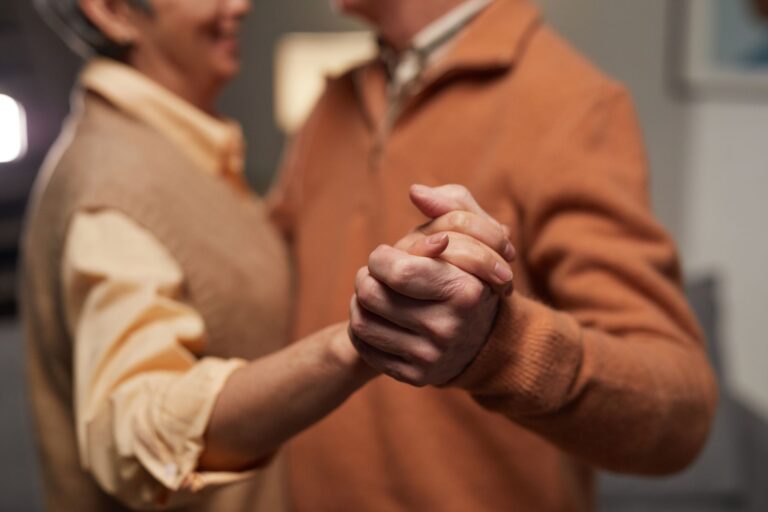
Dance Tuesday, Thursday and Saturday for 10-20 minutes each. Warm up 3-5 minutes, dance slowly, then cool down and stretch. Walk or rest on other days. Pick simple styles with steady beats, such as social, line or slow ballroom steps.
Repeat one or two short routines before learning new moves. Progress by adding minutes, not speed. Track sessions, falls or near-falls, soreness and sleep. Stop the session and seek advice for pain, dizziness or breathing problems.