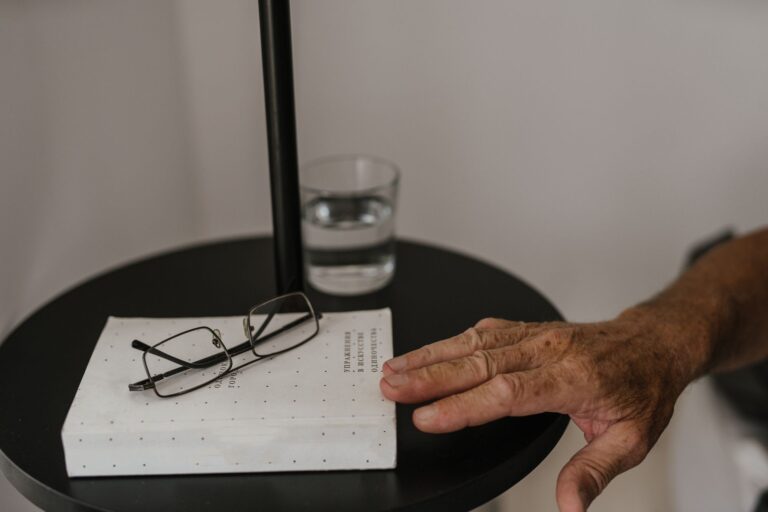
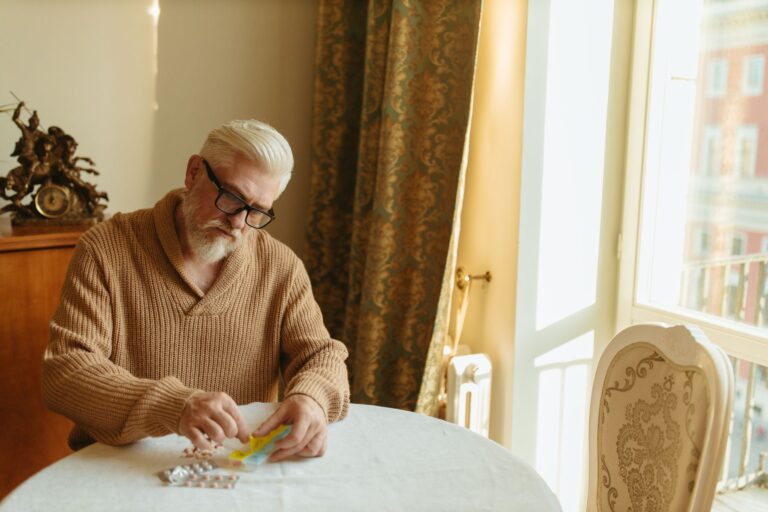
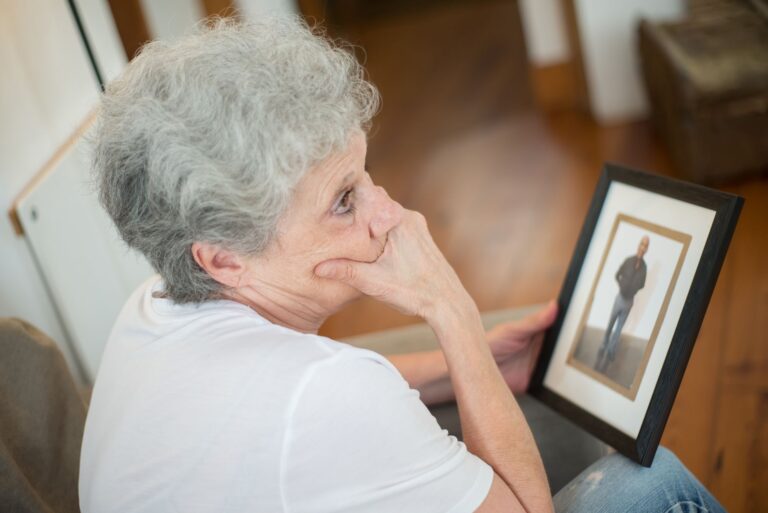
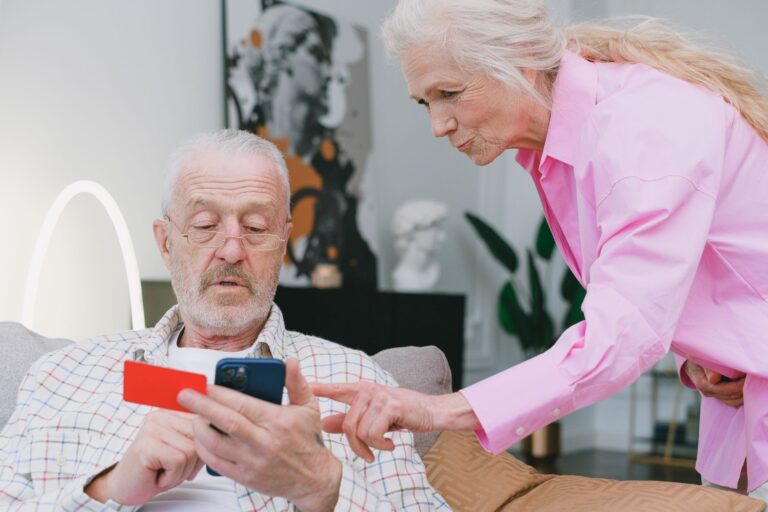
People with mild-to-moderate or early-stage Alzheimer's dementia are most likely to benefit from reminiscence therapy. Caregivers and isolated older adults may also gain through closer relationships and less loneliness. Reminiscence therapy is a structured, often professionally led discussion of past experiences using music, art, storytelling, photos or familiar objects, per the Alzheimer's Association care page. It taps preserved long-term memory, since earliest memories often last longest while recent memory fails first, per EBSCO Research Starters.
Medical information disclaimer: This article is for general educational purposes only and does not provide medical advice, diagnosis, or treatment. Always consult a physician or other qualified health professional about symptoms, medications, tests, or treatment decisions.
Table of Contents
- What happens in a session?
- Why does early-stage memory respond best?
- What benefits does research show?
- Can caregivers benefit too?
- What are the limits and risks?
What happens in a session?
A facilitator guides conversation around specific past events, roles, places, or holidays. Prompts are concrete and sensory, not general questions about the past. A song, photograph, familiar object, or short story starts the exchange.
Personal photos, videos, and familiar music are especially useful for early-stage dementia, per EBSCO Research Starters summarizing IRISS. Family members can help gather items with clear personal meaning. Familiar kitchen tools, uniforms, wedding photos, or childhood songs are common examples.
Why does early-stage memory respond best?
Dementia usually harms recent memory first while earliest memories stay longer. Reminiscence works with that pattern by inviting stories from youth and midlife. The person draws on stronger memories rather than struggling to recall today.
That fit explains why mild-to-moderate dementia shows the clearest response. The person can still speak, follow prompts, and connect images to events. Personal cues increase recognition and participation.
What benefits does research show?
A 2018 Cochrane review included 22 randomized trials with 1,972 people with dementia. It found some positive effects on quality of life, cognition, communication, and mood. Cognitive gains were very small and of doubtful clinical importance, and evidence quality was low, per the review record UCL Discovery archive.
Benefits varied by setting and format, according to Woods and colleagues in the Cochrane evidence summary. Care-home studies showed the widest range of effects. Group sessions were linked to better communication, while one-to-one sessions were linked to slightly better mood and cognition.
Can caregivers benefit too?
Caregivers can gain better understanding, communication, and connection through shared sessions. Isolated older adults may feel less lonely when memories are shared. Joint activity shifts attention from tasks to the person.
Virtual group reminiscence was tested in 34 dementia-caregiver pairs, according to the USC Leonard Davis School of Gerontology study report. Remote formats may help families separated by distance or schedule. A daughter living elsewhere, for example, can join a video session built around family photos and music.
What are the limits and risks?
Reminiscence does not cure or slow dementia. It is a support for comfort, engagement, and daily quality of life. Families should view it as one part of care, not treatment for decline.
Most sessions are pleasant, but distressing memories can rarely occur. A skilled leader watches for upset, changes the prompt, and pauses when needed. Low-quality evidence means results differ from person to person.