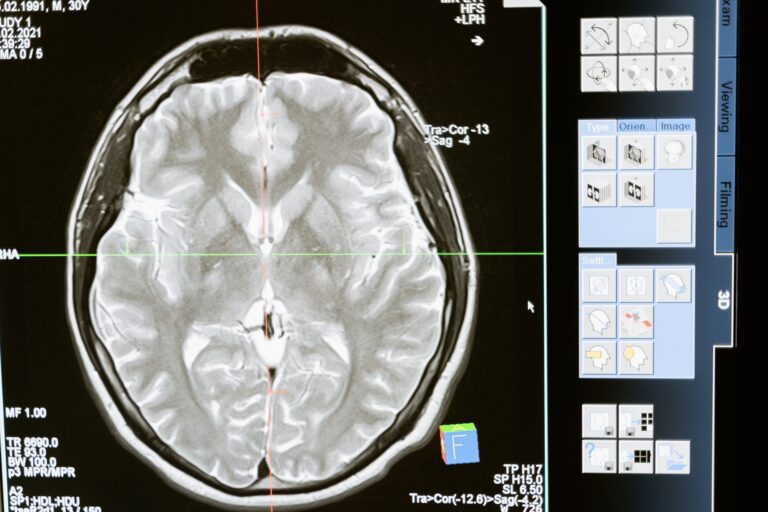
Unexplained anxiety — worry, fear, or restlessness without a clear cause — is common in Alzheimer's disease but tends to be more frequent and intense in other dementias. Lewy body, vascular, and frontotemporal dementias all show higher anxiety than Alzheimer's, with different companion symptoms helping tell them apart. Doctors group these changes as neuropsychiatric symptoms, meaning shifts in mood, perception, and behavior linked to brain disease. Knowing the pattern helps families ask better questions and choose the next care step.
Medical information disclaimer: This article is for general educational purposes only and does not provide medical advice, diagnosis, or treatment. Always consult a physician or other qualified health professional about symptoms, medications, tests, or treatment decisions.
Table of Contents
- How common is anxiety in Alzheimer's?
- Why is anxiety higher in Lewy body dementia?
- How do vascular and frontotemporal dementia compare?
- When does anxiety worsen in Alzheimer's?
- What should caregivers rule out first?
How common is anxiety in Alzheimer's?
About 40% of people with Alzheimer's disease experience anxiety symptoms, according to the Journal of Alzheimer's Disease Reports in a 2021 PubMed summary. Anxiety ranks third after apathy and depression, and it can appear before dementia begins.
Apathy means loss of interest or drive. Depression means lasting low mood. In Alzheimer's, anxiety often mixes with one or both, so caregivers may see withdrawal, worry, and agitation together.
Why is anxiety higher in Lewy body dementia?
In 41 matched patient pairs, anxiety before diagnosis occurred in 63.4% with dementia with Lewy bodies versus 26.8% with Alzheimer's, according to Psychogeriatrics in a 2020 matched-pair report. Depression rates did not differ between the two groups in that study.
The wider pattern also points toward Lewy body disease. Research in Dementia and Geriatric Cognitive Disorders Extra notes that hallucinations predominate in Lewy body dementia. The Lewy Body Dementia Association notes recurrent visual hallucinations in up to 80%, plus fluctuating attention lasting minutes to hours and frequent anxiety.
How do vascular and frontotemporal dementia compare?
Anxiety is reported more commonly in vascular dementia and frontotemporal dementia than in Alzheimer's, according to the Journal of Neuropsychiatry and Clinical Neurosciences in a comparative symptom study. Mean anxiety scores were 1.9 in frontotemporal dementia versus 0.8 in Alzheimer's.
Companion symptoms differ by type. Dementia and Geriatric Cognitive Disorders Extra reports depression and apathy as prominent in vascular dementia, and disinhibition, apathy, and eating changes in frontotemporal dementia. A person with strong disinhibition or major eating changes plus anxiety fits frontotemporal disease less than Alzheimer's.
When does anxiety worsen in Alzheimer's?
Within Alzheimer's, anxiety worsens with greater dementia severity and lower Mini-Mental State scores, according to the Journal of Neuropsychiatry and Clinical Neurosciences. Mini-Mental State means a brief test of memory and thinking. Younger age at onset also carries more anxiety.
That pattern matters for daily care. Rising worry during a stage change may reflect disease progress rather than willfulness. Families can track when worry spikes, what changed that day, and whether thinking skills slipped at the same time.
What should caregivers rule out first?
In Alzheimer's, anxiety and agitation are commonly triggered by body and setting problems, according to the Alzheimer's Association in its guide to anxiety and agitation. Evaluation should rule out reversible causes and calm the environment first.
Start with comfort, light, noise, pain, sleep, drugs, and recent changes. Fix what can be fixed, slow the pace, and keep faces and routines familiar.
- medical illness, pain, or sleep loss
- medication interactions or side effects
- unfamiliar places, noise, or overstimulation
- routine, caregiver, or home changes