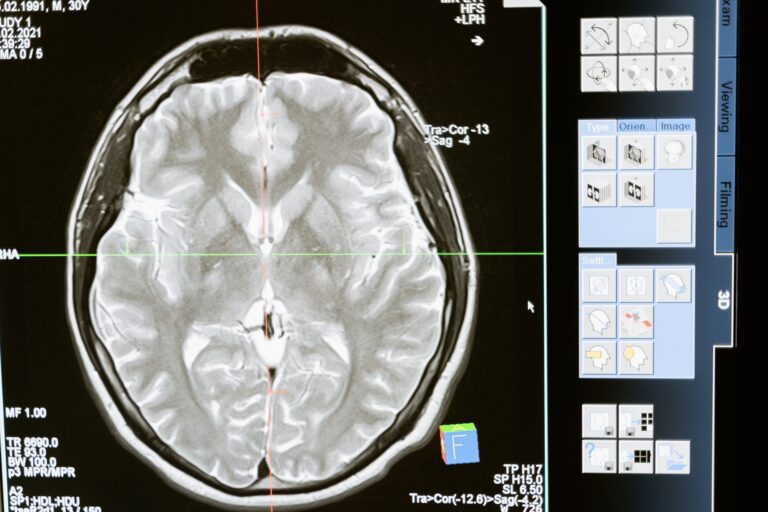
Speed-focused cognitive training with boosters cut dementia diagnoses by 25%, according to the Johns Hopkins University Hub 20-year ACTIVE results. Cognitive training means structured computer exercises for visual speed, it cannot prevent Alzheimer's, and it works best inside a broader brain-health routine. The training used visual speed and divided-attention tasks with rising difficulty. Benefits depended on the type of training, added booster sessions, and long follow-up.
Medical information disclaimer: This article is for general educational purposes only and does not provide medical advice, diagnosis, or treatment. Always consult a physician or other qualified health professional about symptoms, medications, tests, or treatment decisions.
Table of Contents
- What speed training involved
- What helped and what did not
- Why training works better with lifestyle support
- Practical next steps for brain health
What speed training involved
The NIH-funded ACTIVE trial enrolled about 2,800 adults 65 and older, as described in PubMed Central. People practiced computer-based visual speed and divided-attention tasks with increasing complexity. Dementia outcomes came from Medicare claims tracked over 20 years.
The effective schedule was short at first and extended later. Participants completed five to six weeks of initial speed-of-processing training. They returned for booster sessions one to three years later.
What helped and what did not
Only speed training with boosters lowered claims-based dementia diagnoses. Memory training and reasoning training showed no statistically significant reduction, according to ReachMD reporting on ACTIVE. That contrast matters when choosing a program.
No approach has been proven to prevent Alzheimer's, according to the National Institute on Aging prevention summary. The institute rated cognitive training, hypertension control, and physical activity as encouraging but inconclusive for preventing decline. Expect reduced risk, not protection.
Why training works better with lifestyle support
In U.S. POINTER, 2,111 adults ages 60-79 at risk for decline improved cognition over two years with multidomain lifestyle programs. The structured high-accountability program improved global cognition more than self-guided advice, according to the Alzheimer's Association U.S.
POINTER study results. The structured recipe paired brain training with daily health habits. It used computer training for 30 minutes three times weekly plus challenging mental and social activities. It also included aerobic and strength exercise, the MIND diet, and vascular monitoring.
Practical next steps for brain health
Look specifically for processing-speed programs that include follow-up booster sessions. General memory games, puzzles without progression, and one-time courses do not match the successful ACTIVE pattern. Ask providers how they measure attention, speed, and long-term practice.
Dementia prevention also extends beyond training. About 45% of global cases could be prevented or delayed by addressing 14 modifiable risks across life, according to the BrightFocus summary 14 modifiable risk factors. Bring a list of blood pressure, activity, diet, sleep, and vascular risks to the next medical visit.
- Choose speed and divided-attention training with scheduled boosters
- Add aerobic activity, strength sessions, and regular social contact
- Follow a MIND-style eating pattern and track blood pressure
- Review sleep, hearing, vision, mood, and medications yearly
- Keep training sessions consistent rather than intense and brief