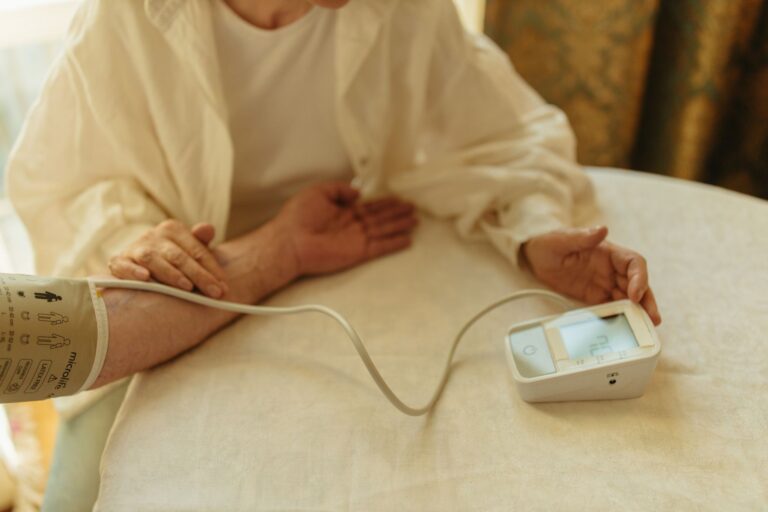
Hallucinations in Alzheimer's are false perceptions involving sight, hearing or other senses, caused by disease-related brain changes and usually occurring in later stages. Calm scripts, steady routines, and simple environmental changes are the recommended first response to reduce fear and confusion. Non-drug approaches come first for behavioral symptoms including hallucinations. The Alzheimer's Association advises in its Alzheimer's Association guidance on hallucinations that drugs are considered only when these strategies fail and symptoms cause distress or danger.
Medical information disclaimer: This article is for general educational purposes only and does not provide medical advice, diagnosis, or treatment. Always consult a physician or other qualified health professional about symptoms, medications, tests, or treatment decisions.
Table of Contents
- What should you check first?
- What should you say in the moment?
- How can routine reduce evening hallucinations?
- What changes at home help most?
What should you check first?
Start with a doctor visit when hallucinations appear. Common medical triggers include bladder or kidney infection, dehydration, and intense pain.
Poor vision or hearing, drugs, alcohol, and medication side effects can also trigger the same symptoms. The Alzheimer's Association lists these causes in its 2017 topic sheet on hallucinations, delusions and paranoia. Bring notes on recent illness, pain, sensory changes, and all medicines and alcohol use.
What should you say in the moment?
Do not argue about what the person sees or hears. Arguing raises fear and rarely changes the perception. Respond calmly and offer reassurance, such as "I'm here, I'll protect you." AgingCare's caregiver summary of Alzheimer's Association guidance also recommends gentle touch when welcome.
Then distract with a walk, another activity, or a move to another room. Stay close until distress eases. Use the same short phrases each time. Familiar words and a steady voice help the person feel safe.
- Do not argue or correct the details.
- Reassure calmly and offer gentle touch.
- Suggest a walk, activity, or another room.
How can routine reduce evening hallucinations?
Confusion often rises in the evening and can worsen hallucinations. A consistent daily routine lowers that risk. Keep wake times, meals, and bedtime steady. MedlinePlus links calm evenings, daytime exercise, and orienting cues to less agitation in its MedlinePlus guide to dementia behavior and sleep problems.
Use quiet evening activities and daytime movement. Clocks, calendars, and familiar objects help orient time and place. A short afternoon walk followed by music or folding laundry works better than a busy outing. Keep nights calm and bright enough to see clearly, without extra stimulation.
What changes at home help most?
Keep rooms well lit to limit shadows. Avoid bright colors and bold patterns that can confuse vision. Lower noise and background stimulation. Check for misheard sounds from a television, fan, or hallway noise.
Cover or remove mirrors if the person sees strangers in them. MedlinePlus advises these steps to reduce false perceptions. Do not use store-bought sleep medicines without the clinician's direction. MedlinePlus warns that sedating sleep aids and antipsychotic drugs can worsen confusion and carry serious risks in dementia. Discuss persistent or frightening psychosis with the doctor promptly.