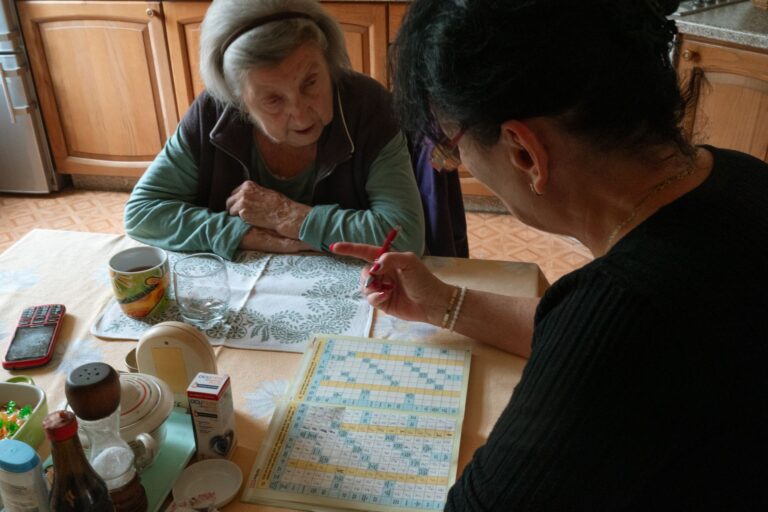
A home plan for swallowing problems in dementia is to spot warning signs early, make meals safer, and seek assessment for ongoing trouble. Hampshire Feeding Clinic explains in its dementia and swallowing guide that dysphagia means difficulty swallowing and typically emerges in middle to later stages.
University Hospitals Plymouth NHS Trust states in its neurosciences dietitian guidance that aspiration happens when food, drink, saliva, or medication enters below the vocal cords. Aspiration can cause severe lung infection and aspiration pneumonia in dementia. A calm routine plus quick referral protects nutrition and lowers choking risk.
Medical information disclaimer: This article is for general educational purposes only and does not provide medical advice, diagnosis, or treatment. Always consult a physician or other qualified health professional about symptoms, medications, tests, or treatment decisions.
Table of Contents
- Warning signs to watch at home
- How to make mealtimes safer now
- When to seek assessment and what changes
- Tube feeding decisions and silent risks
Warning signs to watch at home
Dementia progressively damages brain areas that coordinate swallowing, so chewing may weaken and starting a swallow may take effort. Throat clearing may fail after each bite or sip.
Watch meals across several days rather than judging one difficult lunch. Look for these changes during and after eating: These patterns point to dysphagia and higher aspiration risk. Note what food caused trouble, time of day, and alertness level for the GP visit.
- coughing or choking during meals or drinks
- pocketing food in cheeks, wet or gurgly voice, or much longer mealtimes
- food refusal, weight loss, or repeated chest infections
How to make mealtimes safer now
Offer food only when the person is awake and alert. Seat them upright at about 90 degrees during and after eating.
Keep the room calm, with television and extra conversation switched off. Use these steps at each meal: Do not rush, crowd the mouth, or offer meals while drowsy or lying flat. Consistency helps the person anticipate each bite.
- sit face-to-face, offer small bites, and allow extra time
- encourage thorough chewing, full swallow, and throat clear before next bite
- pause when tired, and stay upright for a while after finishing
When to seek assessment and what changes
Repeated coughing on fluids or food, swallowing fatigue, or distress at meals should trigger prompt GP referral for speech-and-language-therapist assessment. Describe frequency, triggers, weight change, and chest infections clearly. Bring medication lists because pills can also cause choking.
After assessment, dietitians and therapists may prescribe softer or pureed foods, thickened drinks, smaller frequent meals, extra time, rest breaks, and supplements. These measures aim to prevent aspiration and malnutrition. Follow the prescribed textures exactly and ask how to prepare them safely.
Tube feeding decisions and silent risks
NICE dementia guidance treats artificial tube feeding as an option only if dysphagia is transient. It is generally not advised for severe dementia where swallowing failure reflects disease severity. Families can discuss comfort, goals, and palliative support with the GP and care team.
Somerset NHS Foundation Trust warns in its swallowing difficulties leaflet that aspiration can be silent without cough. Ice cream or jelly melts to thin liquid, so it is unsafe when thickened fluids are prescribed. Do not substitute them for prescribed thickened drinks.