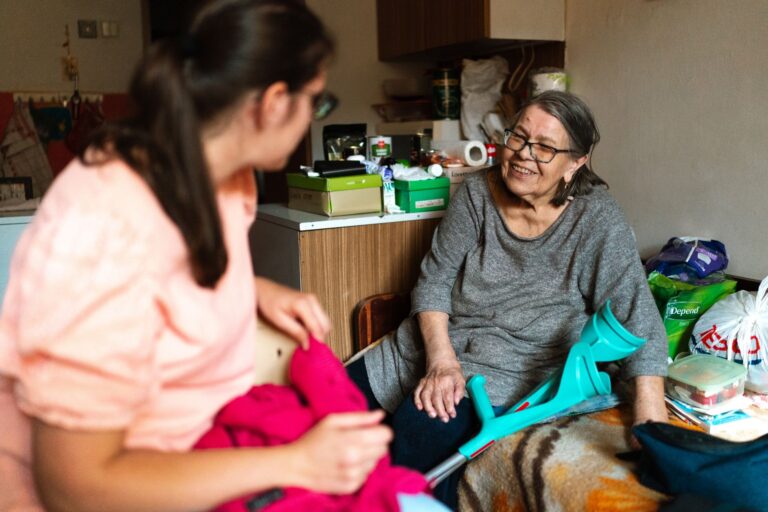
People at every stage of Alzheimer's may benefit from physical therapy, along with the family members who support them. APTA Wisconsin notes that care can prevent falls, improve mobility, maximize safety, and guide families on helpful activity APTA Wisconsin blog post. Physical therapy is guided exercise, hands-on care, and movement training that helps people walk and transfer safely. In Alzheimer's care, Ivy Rehab describes its role as supportive rather than curative, focused on strength, balance, and quality of life.
Medical information disclaimer: This article is for general educational purposes only and does not provide medical advice, diagnosis, or treatment. Always consult a physician or other qualified health professional about symptoms, medications, tests, or treatment decisions.
Table of Contents
- What therapy does in daily life
- Who shows the clearest gains?
- How caregivers gain support
- What to request at the visit
What therapy does in daily life
Therapists build leg strength, balance reactions, walking steadiness, and safe transfers from bed, chair, and toilet. They coach safer turning, stepping over thresholds, and using walkers or rails without grabbing furniture. Home exercises keep gains between visits and fit the person's routine.
Sessions also address endurance, pain limits, and daily tasks like dressing or kitchen movement. Goals stay practical: fewer stumbles, longer walks, and calmer routines. Care continues as needs change across early, middle, and late stages.
Who shows the clearest gains?
People with repeated falls, unsteady gait, weak legs, or fear of falling often gain most. In a controlled trial indexed by DOAJ, a 6-month multimodal program served institutionalized patients with Alzheimer's multimodal trial summary. Fall prevalence was 15.09% with exercise versus 42.11% in controls, with better gait, balance, and bone density.
Researchers reporting in Physiotherapy tested resistance exercise in five Spanish aged-care centers PubMed trial record. Participants with Alzheimer's lowered fall risk and fear of falling, eased mood and behavior symptoms, and gained muscle strength. These are changes such as agitation, low mood, or restless behavior.
How caregivers gain support
Therapists assess walking safety, fall risk, pain, endurance, and daily tasks, AgingCare reports. Then they teach supervision, home adaptations, and activity strategies.
Families learn when to stay close, when to step back, and what to change. Useful changes are often small and concrete:.
- clear clutter, cords, and loose rugs from walking paths
- add grab bars, raised seating, and good lighting in bath and hall
- use steady shoes, short outings, and rest breaks to avoid fatigue
- keep a simple daily schedule with brief walks and sit-to-stand practice
What to request at the visit
For community-dwelling adults, including those with dementia, the American Physical Therapy Association–Geriatrics guideline recommends progressive, challenging balance training guideline summary. That means varied directions, narrower stances, and less hand support over time. Ask the therapist to set the difficulty and guard closely.
Everyday movement matters too. The Alzheimer's Association notes on its Get Moving page that heart-rate activity raises oxygen flow, supports brain-cell connections, and helps manage blood pressure, diabetes, sleep, and weight. Short walks, dance steps, or cycling bursts count when the person enjoys them and stays safe. Bring a list of recent falls, near-falls, and tasks that feel unsafe to the first visit.