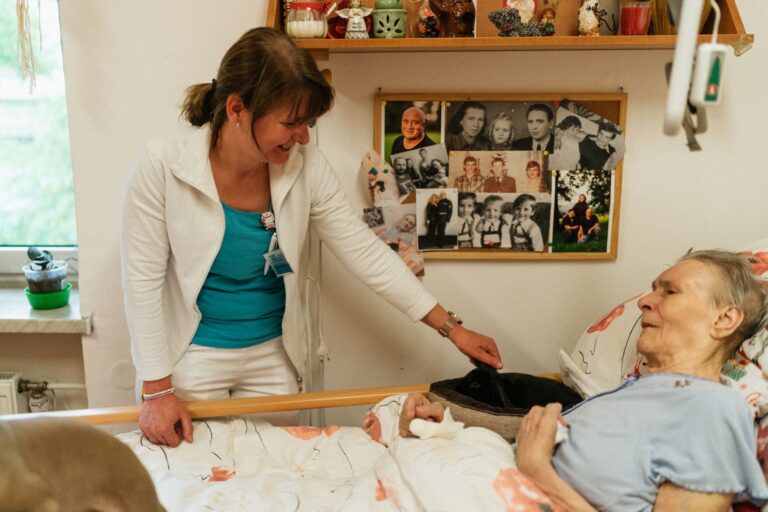
The ideal dementia care map discussed by NIA in 2026 is coordinated care that supports people with dementia and caregivers wherever they live. For long-distance caregivers, people living an hour or more away, it means asking local programs about coordination, 24/7 help, respite coverage, and training. The goal is practical, not one drug or single model. Distance makes clear roles and local backup essential.
Medical information disclaimer: This article is for general educational purposes only and does not provide medical advice, diagnosis, or treatment. Always consult a physician or other qualified health professional about symptoms, medications, tests, or treatment decisions.
Table of Contents
- What is the coordinated-care goal for 2026?
- What can you do from an hour away?
- What should you ask local dementia programs?
- What are the limits and where else can you turn?
What is the coordinated-care goal for 2026?
Canada's National Institute on Ageing calls for coordinated care in its 2026 report on dementia care in Canada. The report estimates 772,000 Canadians live with dementia and warns the true count may be far higher. It sets four priorities, including national care standards and common progress metrics.
The U.S. National Institute on Aging held its Dementia Care and Caregiving Summit virtually March 17-19. HHS ASPE summarized the April 2026 outcome as a research roadmap. It maps gaps and priorities, not one treatment or single care model.
What can you do from an hour away?
The U.S. National Institute on Aging defines a long-distance caregiver in its guide to getting started with long-distance caregiving as living an hour or more away. From that distance you can still manage finances and bills.
You can track conditions and insurance details and arrange local help. Keep one shared list for drugs, allergies, doctors, and policy numbers. Name one local contact who can visit fast. Schedule a weekly call with that contact and the care team.
What should you ask local dementia programs?
Medicare's Guiding an Improved Dementia Experience model funds extra dementia support through willing programs. CMS describes it on its GUIDE Model overview as an eight-year voluntary test that began July 1, 2024.
It pays for care coordination, caregiver education, a 24/7 support line, and respite. Ask about dollars in writing. The Centers for Medicare & Medicaid Services via CGS Medicare reimburses up to $2,500 per eligible patient yearly for respite like in-home care or adult-day programs, listed as $2,625 for 2026 after inflation adjustment in this 2026 respite payment notice.
- Are you a GUIDE participant?
- What coordination and 24/7 help do you offer?
- How much respite is covered and how do we book it?
- What caregiver training is included?
What are the limits and where else can you turn?
GUIDE help has clear limits. CMS says it reaches only traditionally enrolled Medicare beneficiaries with dementia served by participating programs. It does not pay family caregivers directly in cash.
The Eldercare Locator, funded by the Administration for Community Living, connects families to local Area Agencies on Aging and Aging and Disability Resource Centers. Those centers can link you to meals, home care, transport, and respite. Call 800-677-1116 with the diagnosis, ZIP code, and a short list of weekly needs.
You Might Also Like
- Home-Based Dementia Care Research Priorities in 2026: Service Gaps That Matter to Long-Distance Caregivers
- UAS-CLEAR Dementia Care Research Data Priorities in 2026: Who Was Studied and Who Was Not for Adult Children
- The Long-Term Care Data Cooperative and Dementia Research in 2026: Who Was Studied and Who Was Not for Adult Children