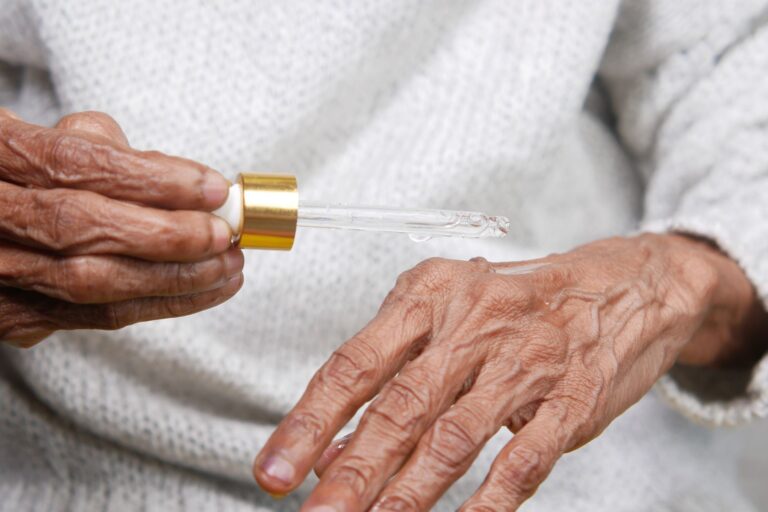
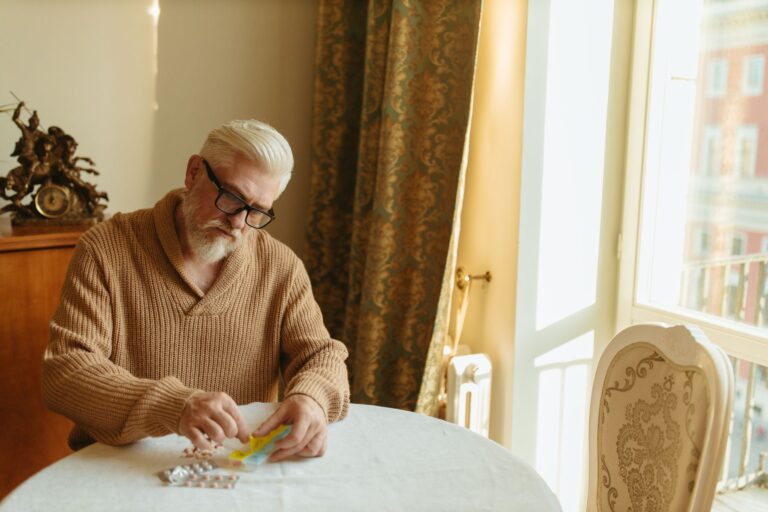
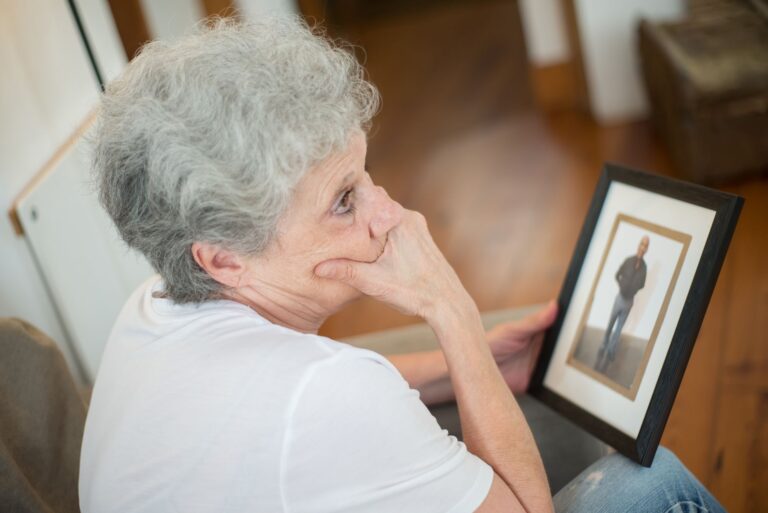
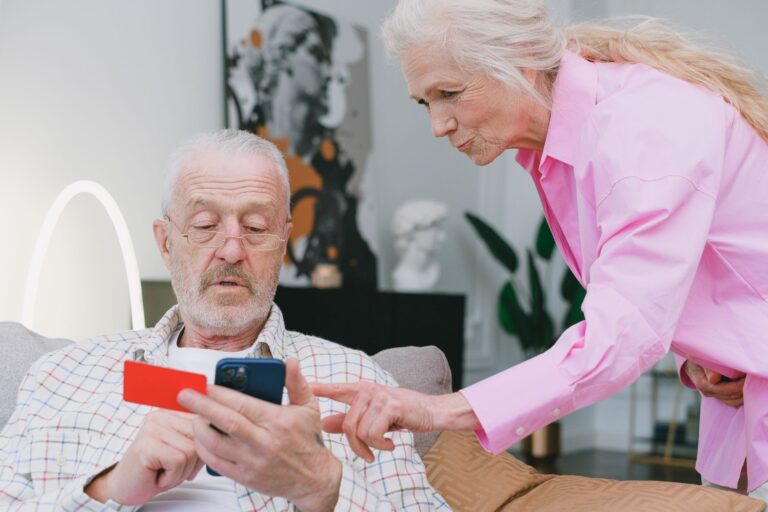
Adults with Alzheimer's who live at home, nursing-home residents with dementia, and their family caregivers may benefit from occupational therapy, practical care that adapts daily tasks, surroundings, and routines to current ability. The strongest fit is people who need help with daily activities, agitation or aggression, or loss of meaningful activity, plus caregivers who assist and coach them. Occupational therapy works by matching what the person can still do to what the day demands. It targets self-care, household tasks, enjoyable activities, movement, thinking skills, senses, behavior, and caregiver support.
Medical information disclaimer: This article is for general educational purposes only and does not provide medical advice, diagnosis, or treatment. Always consult a physician or other qualified health professional about symptoms, medications, tests, or treatment decisions.
Table of Contents
- What does Alzheimer's OT involve?
- Who benefits most at home?
- Who benefits in nursing homes?
- When are benefits less consistent?
- How do families get useful OT?
What does Alzheimer's OT involve?
OT uses reminiscence, exercise, thinking-skills practice, sensory strategies, and non-drug approaches for behavior, according to the American Occupational Therapy Association in the AOTA practice guidelines. A therapist may simplify cooking steps, set up music or memory cues, adjust lighting and noise, and build a daily schedule around rest and activity.
Care-partner education and training are central to the work. Partners learn how to cue a task, prevent distress, respond to agitation, and keep the home safe without taking over too soon.
Who benefits most at home?
People with dementia who live at home improved overall daily activities after OT, according to the BMJ Open review in the BMJ Open review. That pooled effect was moderate to large. Family caregivers who received home OT spent fewer hours assisting and felt less distress about behaviors.
One tested model is the home-based Tailored Activity Program. In eight sessions, it matched activities to abilities and interests and coached caregivers, reducing agitation and aggression severity, with larger behavioral gains in Black families, Drexel University researchers reported in the Drexel trial report. It helps people who resist bathing, dressing, or meals, pace at night, argue during care, or sit idle all day.
Who benefits in nursing homes?
Nursing-home residents age 65 and older with dementia had better perceived quality of life from OT centered on recreation, reminiscence, and performance-based activities, in the Healthcare systematic review. Singing groups, familiar crafts, short walks, gardening tasks, and one-to-one life-story work fit this pattern.
Supportive changes to the physical and social setting also matter. Clear paths, calm dining areas, consistent routines, and staff training help residents join in and use remaining skills.
When are benefits less consistent?
Benefits depend on dementia stage, setting, intervention type, and caregiver involvement. Early needs differ from late needs, and a program that works at home may not transfer intact to a nursing unit.
Some outcomes show less consistent improvement. Mood, broader behavioral symptoms, and caregiver depression respond less reliably than daily function, assistance time, agitation severity, and perceived quality of life in the studied models.
How do families get useful OT?
Ask a primary-care doctor, neurologist, or dementia clinic for a home OT referral tied to function and behavior. Name the target problem, such as unsafe cooking, dressing refusal, wandering at dusk, or caregiver strain during transfers.
Bring a list of daily trouble spots, medicines, falls, and what still brings pleasure. Keep the plan active by using the same cues, steps, and routines between visits.
- Request 7-8 home visits focused on tailored activities, home demands, and caregiver coaching
- Ask for a written activity plan matched to abilities and interests
- Ask for hands-on caregiver practice, not general supervision
- Ask how to track daily function, agitation, assistance time, and distress