Ask about style, weekly minutes, fall risk, and learning curve before you use dance for brain health in midlife. Those answers show whether a class supports movement, memory work, and social contact together. Dance for brain health means regular dance that lifts heart rate, requires new steps, and involves other people. In midlife, about ages 40 to 65, those three parts fit risks you can still shape.
Medical information disclaimer: This article is for general educational purposes only and does not provide medical advice, diagnosis, or treatment. Always consult a physician or other qualified health professional about symptoms, medications, tests, or treatment decisions.
Table of Contents
- What does the research show so far?
- Which type of dance should you ask about?
- How much dance counts each week?
- What should you ask your doctor first?
- How can you fit dancing into midlife life?
- Frequently Asked Questions
What does the research show so far?
Investigators at Albert Einstein College of Medicine followed 469 adults age 75 and older and found frequent dancers had lower dementia incidence, with an adjusted hazard ratio around 0.24, according to the New England Journal of Medicine report. The link was observational and in older adults, so it shows an association rather than proof of prevention.
Researchers led by Rehfeld compared 18 months of learning new choreography with repetitive fitness exercise in 38 healthy seniors ages 63 to 80. The dance group had larger brain-volume gains in cingulate, insula, corpus callosum, and sensorimotor areas, and only dancing raised blood BDNF, a protein tied to learning and memory plasticity, as described in the PLoS ONE trial report. The result points to novelty, coordination, balance, and music as added demands beyond cardio alone.
Which type of dance should you ask about?
Ask whether a class keeps teaching new sequences instead of repeating one routine. Constant new learning taxes recall, timing, spatial judgment, and quick shifts in attention.
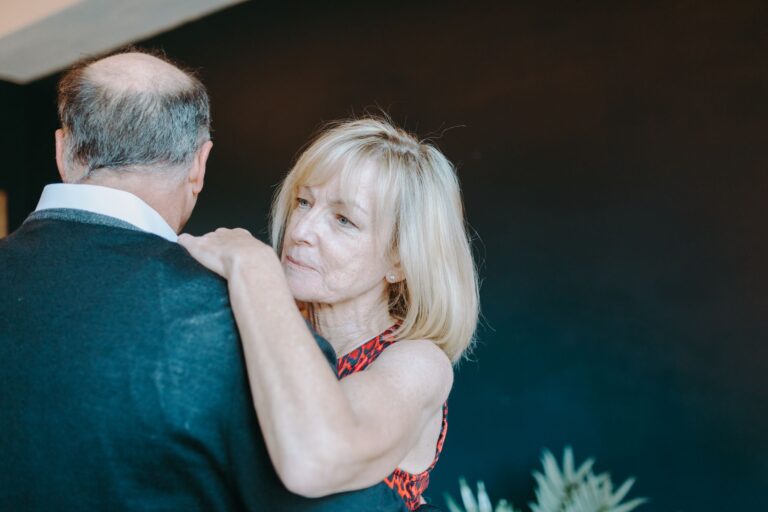
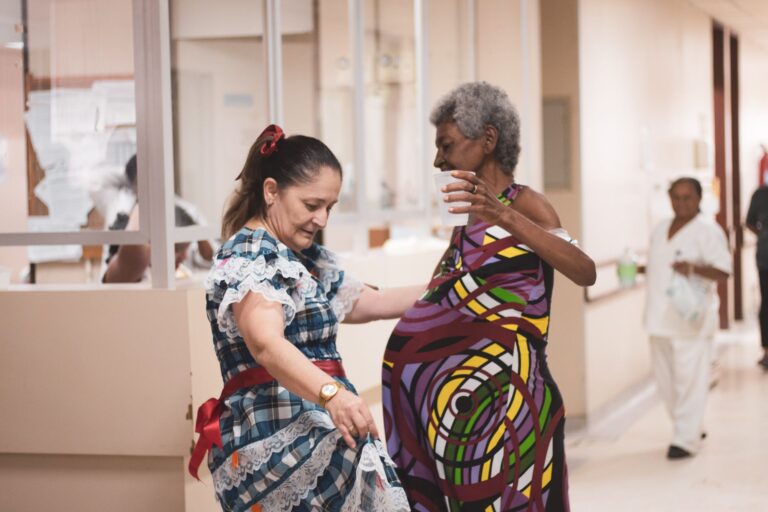
Ask whether it includes partner work, group formation, or live rhythm cues. Social coordination adds communication, turn-taking, and reaction to another person, all relevant after midlife isolation or routine-heavy exercise.
- Does the level teach fresh choreography every few weeks?
- Do you move across the floor, change direction, and practice balance?
- Do you interact, rotate partners, or learn timing with music?
How much dance counts each week?
Authors of the World Health Organization 2019 dementia risk-reduction guideline recommend regular physical activity for adults with normal cognition to lower decline risk, often applied as at least 150 minutes weekly of moderate aerobic activity, as summarized in the Mayo Clinic report on the WHO guideline. Brisk ballroom, salsa, swing, or folk sets can count when breath and heart rate rise.
Ask how class time plus practice adds up. A 60-minute class twice weekly plus two 20-minute home reviews reaches the range while reinforcing steps. Track minutes, effort, and new patterns learned, not just attendance.
What should you ask your doctor first?
The strongest dance-dementia link comes from adults over 75 and from small short trials in older adults, so it does not prove midlife dancing prevents dementia. The National Institute on Aging advises asking about safe exercise, fall and balance risk, plus social and mentally engaging activity as part of a wider plan, per the NIA guidance on activities you enjoy. Bring a short checklist to the visit:.
- Do blood pressure, joint, foot, vision, or hearing issues change safe dance choices?
- Do you need balance screening, supportive shoes, or a slower-start class?
- Which warning signs should stop class: chest pain, dizziness, unusual shortness of breath, or a fall?
How can you fit dancing into midlife life?
Pick one style you enjoy enough to repeat, near home or work. Enjoyment drives attendance, and attendance drives dose.
Start with an 8 to 12 week beginner series with clear progression. Ask for make-up options, practice videos, and a path to the next level so learning stays continuous.
- Book two trial classes this month and log minutes, new steps, and soreness or balance trouble afterward.
Frequently Asked Questions
Do I need a partner to start?
No. Many beginner ballroom, line, folk, and social dance classes rotate partners or teach solo patterns first.
What if I have no rhythm or dance background?
Choose a true beginner series that breaks steps into counts, repeats short phrases, and adds music only after footwork feels stable.
Can home video practice replace class?
Home review helps memory for steps, but class adds floor space, louder timing cues, balance challenge, and live social contact.