Respite care gives family caregivers a break from dementia care by placing the person with dementia in safe, supervised care for hours, days, or weeks. Respite care means temporary substitute care, so the regular caregiver can rest, run errands, or recover while care continues. According to the Alzheimer's Association respite-care guide, the person living with Alzheimer's keeps receiving care in a safe environment during that time. That separation is the core mechanism: responsibility transfers for a set period.
Medical information disclaimer: This article is for general educational purposes only and does not provide medical advice, diagnosis, or treatment. Always consult a physician or other qualified health professional about symptoms, medications, tests, or treatment decisions.
Table of Contents
- What does respite look like day to day?
- What does research show about stress and burden?
- What are the limits of the evidence?
- How can families find and use respite before burnout?
What does respite look like day to day?
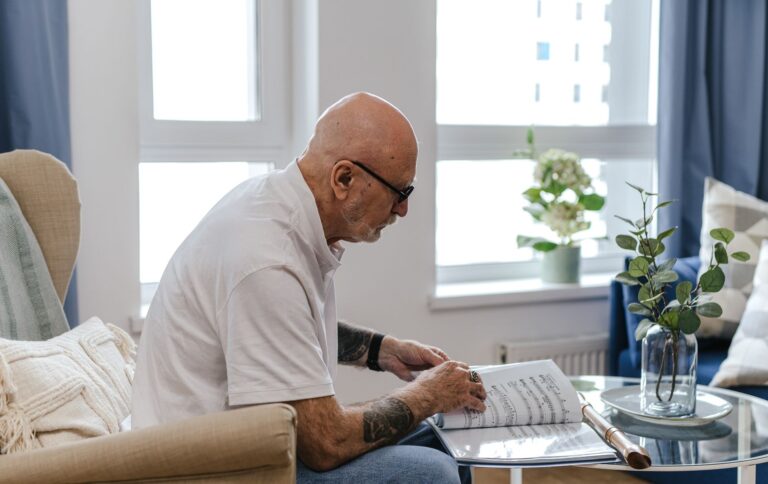
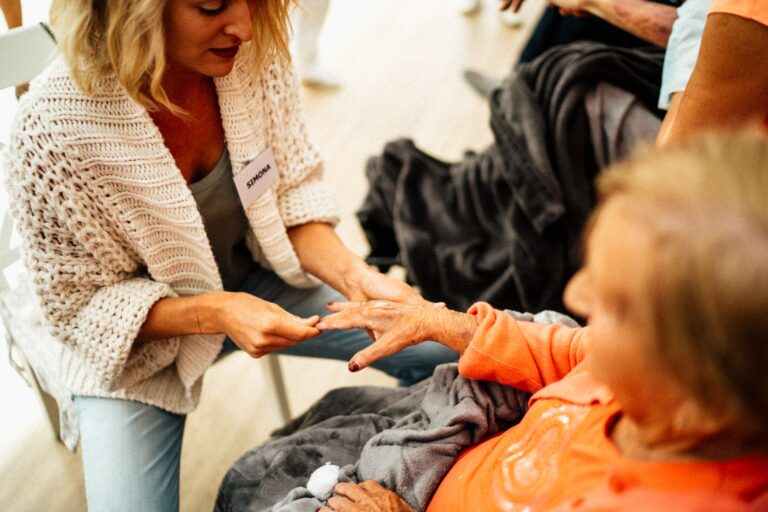
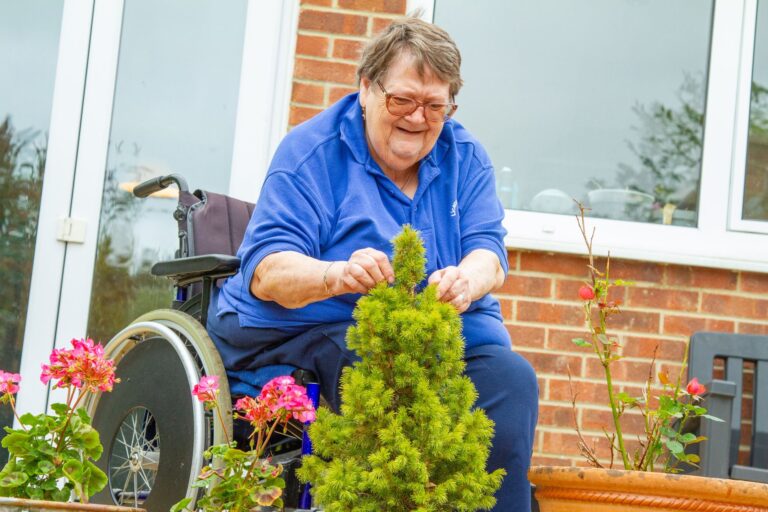
Respite is not one program. It can happen at home with an aide or volunteer, at an adult day center, or as an overnight stay in a facility. Time can range from a few hours to days or weeks, depending on the arrangement.
That range lets families match the break to the need. A home aide can cover an afternoon appointment. An adult day center can cover work hours twice a week. An overnight stay can cover travel or recovery from illness.
What does research show about stress and burden?
A Penn State and University of Texas at Austin study release tracked 151 dementia caregivers using adult day service at least twice weekly. It found higher salivary DHEA-S, a hormone that counters cortisol, the day after service use. The pattern suggests short-term physiological recovery after a day break.
A larger program evaluation points the same way for ongoing use. Caregivers receiving 4 or more hours of respite weekly in the National Family Caregiver Support Program reported declining burden over time, while comparison caregivers' burden rose, as summarized by the ARCH National Respite Network in its respite facts summary. The contrast matters because dementia care often intensifies over months.
What are the limits of the evidence?
The strongest caution comes from Cochrane, which reviewed 4 trials with 753 participants. The review found very-low-quality evidence and demonstrated neither benefit nor harm from respite for dementia caregivers or care recipients, according to the Cochrane respite-care review. That does not erase caregiver reports of relief.
It means trial methods were too weak to prove an effect. Read the two findings together. Daily experience and program data favor regular breaks, while clinical trials have not confirmed the benefit. Families should treat respite as practical support with uneven proof, not as a guaranteed health treatment.
How can families find and use respite before burnout?
The ARCH National Respite Network and Resource Center says caregivers benefit most by scheduling regular few-hour breaks before reaching exhaustion. Local options can be found through the ARCH National Respite Locator and the Eldercare Locator, described in its respite locator guide.
Regular use beats crisis use because a rested caregiver can plan better. Federal support for dementia-specific respite is also expanding, with the Administration for Community Living awarding over $4.9 million per year from November 2023 to October 2028, at least 80 percent reserved for community subgrants. Ask a local agency whether new dementia-specific slots exist near you.
- Decide the gap to fill: daytime supervision, evening rest, or overnight coverage
- Match the setting: home aide or volunteer, adult day center, or facility stay
- Start with a short, repeatable break, such as four hours weekly
- Eligible veterans and family caregivers can receive at least 30 days of respite care per year through the Department of Veterans Affairs Caregiver Support Program
- Recheck need as dementia changes, since supervision needs usually grow