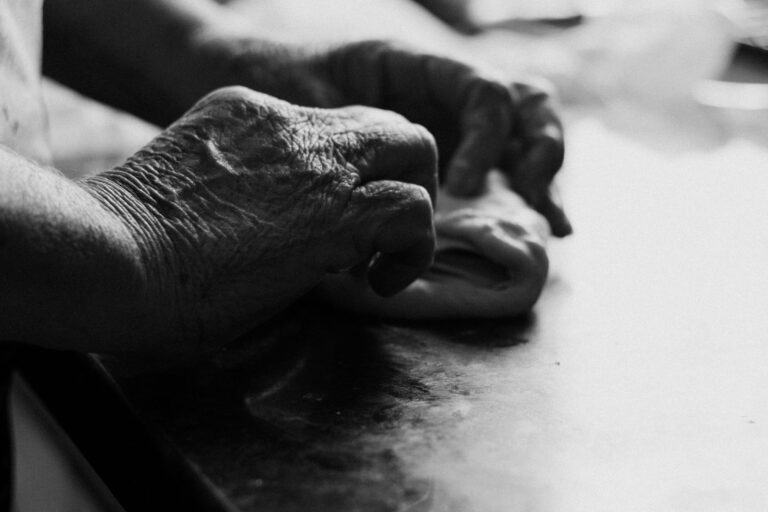
Food pocketing in middle-stage dementia care means guiding each bite from plate to swallow without leaving food in the mouth. The plan is simple: sit the person upright, serve soft moist bites one at a time, cue chewing and swallowing, check the mouth, and seek a swallowing evaluation when problems continue.
Pocketing is holding chewed food in the cheeks, under the tongue, or between teeth and gums without starting a swallow. According to Dementia Companions, it often happens because the person forgets the next swallowing step, as described in the guide to dysphagia and dementia. Retained mouthfuls can lead to choking, aspiration into the lungs, dehydration, and weight loss.
Medical information disclaimer: This article is for general educational purposes only and does not provide medical advice, diagnosis, or treatment. Always consult a physician or other qualified health professional about symptoms, medications, tests, or treatment decisions.
Table of Contents
- Why does pocketing happen now?
- How do you set up a safer meal?
- What should you do bite by bite?
- When should you call the doctor?
Why does pocketing happen now?
Brain changes in moderate to late dementia impair chewing coordination, hunger signals, taste, smell, and the swallowing reflex. Meals may look slow, distracted, or unfinished. A person may chew, then pause with food still in the mouth. This is not stubborn behavior.
The mouth and throat muscles need more time and clearer cues. Smaller demands per bite reduce confusion and fatigue. Watch for cheeks that stay full, long pauses after chewing, spitting food out, coughing, or a wet voice. Those signs mean the swallow did not finish.
How do you set up a safer meal?
Seat the person fully upright at 90 degrees with the head slightly forward and chin slightly tucked, never reclined. According to the Alzheimer's Association, keep them upright about 30 minutes after eating to aid swallowing and digestion, as explained in the food and eating care guide. Choose soft, moist, bite-size foods that form a cohesive bolus.
Good options include applesauce, cottage cheese, scrambled eggs, yogurt, mashed avocado, sweet potatoes, and bananas. Cut food small and offer one bite at a time. Keep the room calm, remove distractions, and allow extra time so rushing does not interrupt swallowing.
What should you do bite by bite?
Use a steady rhythm: one small bite, chew, sip, swallow, check, then pause. Use cups rather than straws when sipping after bites. Straws can send liquid back too fast for a weak swallow.
Double swallows help clear residue from the cheeks and throat. Stay close and unhurried throughout. If coughing, pocketing, or refusal starts, stop and let the person rest before trying again.
- Offer one small bite and name it plainly.
- Cue "chew, then swallow" in a calm voice.
- Offer a small sip from a cup after the bite.
- Ask for a second swallow if the mouth still looks full.
- Look inside the mouth after meals for leftover food.
When should you call the doctor?
Request a physician referral for a speech-language pathologist swallowing evaluation when pocketing repeats, meals take very long, or coughing and weight loss occur. According to the American Academy of Family Physicians, the evaluation prescribes safe textures, liquids, and maneuvers such as chin-tuck and effortful or double swallow, detailed in the dysphagia evaluation guideline. Bring notes about which foods cause trouble and which cues help.
Ask what textures, liquid thickness, bite size, and pacing fit this person now. Use those instructions at every meal and snack. Feeding tubes are not recommended for advanced dementia because evidence shows they do not prolong life, improve weight or strength, or prevent aspiration. Focus on comfort, careful hand-feeding, and foods the person can manage safely.