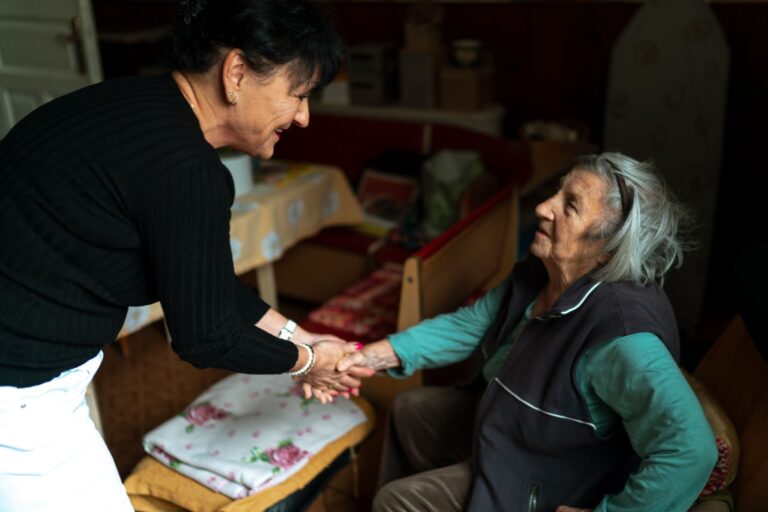
Common caregiver mistakes with sundowning in memory care are arguing about confusion, keeping evenings loud and busy, and missing hunger, thirst, fatigue, or dim light. Sundowning means late-day confusion, restlessness, anxiety, and agitation in a person with dementia. Small changes in tone, timing, food, sleep, and light can make evenings calmer. The goal is lower demand and steadier comfort from afternoon into night.
Medical information disclaimer: This article is for general educational purposes only and does not provide medical advice, diagnosis, or treatment. Always consult a physician or other qualified health professional about symptoms, medications, tests, or treatment decisions.
Table of Contents
- Why does arguing make confusion worse?
- Is the evening too loud and busy?
- Are hard tasks scheduled too late?
- Do food, drink, and naps hurt nighttime sleep?
- How do light and caregiver stress shape the night?
Why does arguing make confusion worse?
Correcting a confused person often raises agitation instead of clearing it. Agreement feels safer to the person than proof they are wrong. Validate the feeling behind the words, then look for a hidden cause. Pain, hunger, thirst, needing the toilet, and fatigue can all fuel distress.
SIU Medicine advises this calm check in its guide to better nighttime routines. Try a brief redirect with comfort. Offer a snack, a familiar object, a short walk, or a quiet activity. Note what happened before the episode so patterns become clearer.
Is the evening too loud and busy?
TV, chores, loud music, visitors, and several people talking at once can overstimulate a person with dementia. Late afternoon should turn quiet, calm, and low-demand. The Alzheimer's Association gives this advice on its sleep issues and sundowning page. Keep one sound at a time and keep voices low.
Put off noisy housework until morning. Ask visitors to come earlier or keep visits short and calm. A simple room helps too. Clear clutter, soften harsh sounds, and give one choice at a time. Fewer demands mean less fear and pacing.
Are hard tasks scheduled too late?
Alertness often drops later in the day, so late appointments, trips, bathing, and outings can backfire. Move demanding tasks to morning or early afternoon. Keep wake time, meals, activity, and bedtime steady each day. A regular routine tells the body what comes next.
It also helps caregivers spot what triggers a bad evening. A short calm ritual before bed can ease the shift into sleep. Save late day for rest and familiar comfort. A warm drink without caffeine, gentle music, folding towels, or looking at photos works well. Stop if frustration rises and try again earlier tomorrow.
Do food, drink, and naps hurt nighttime sleep?
Coffee, cola, caffeinated tea, and alcohol later in the day can worsen confusion, anxiety, and poor sleep. Keep caffeine to the morning and avoid alcohol. Cleveland Clinic states this warning in its sundown syndrome overview. Long or late-afternoon naps also weaken nighttime sleepiness.
Keep any nap short and early in the day. Add daytime movement, meals, conversation, and bright-light exposure to support alertness by day and sleepiness at night. Watch the full day, not only the evening. An overfull schedule, missed fluids, and medication side effects can build toward sundowning. A light morning walk often helps more than an extra late nap.
How do light and caregiver stress shape the night?
Dim rooms at dusk let shadows and strange shapes trigger fear and restlessness. Turn lights on before sunset and keep a night-light on overnight. VNS Health, citing the NYC chapter of the Alzheimer's Association, recommends this step in its five ways to manage afternoon agitation.
Check basic needs quickly when agitation starts: Caregiver exhaustion matters because tense face, voice, and posture can raise stress in the room. Protect sleep, take breaks, and ask family, friends, or respite care for help. Sundowning has no single proven cause and can vary daily, so no routine prevents every episode.
- offer water and a small snack
- help to the toilet and check comfort
- lower noise, light glare, and room traffic
- redirect with a calm voice and simple activity