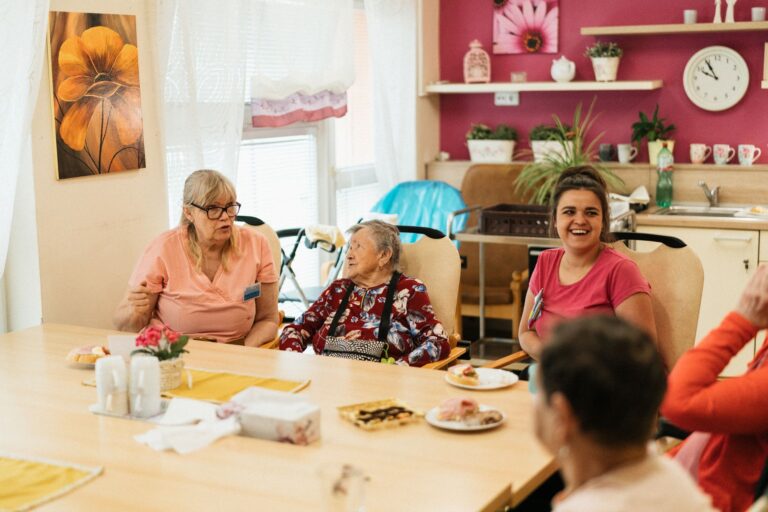
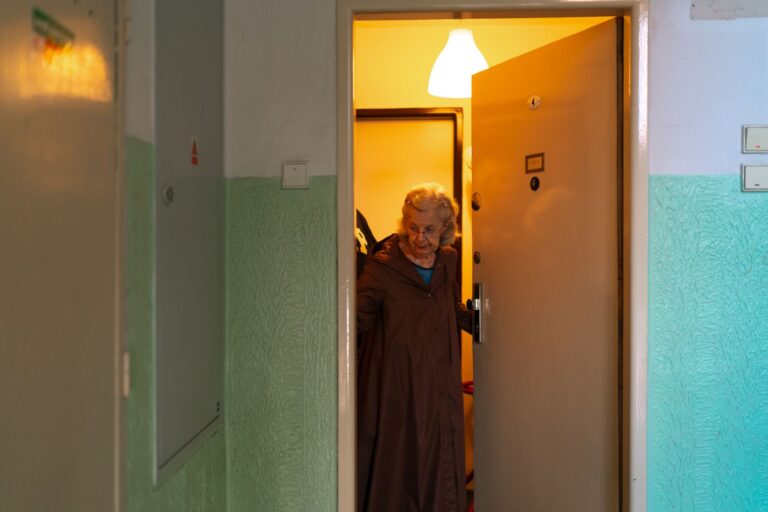
Yes, smart home sensors are worth considering this winter when a person with dementia lives alone, wanders at night, or has fallen before. They can alert you to a fall or a cold room between visits, but they cannot replace in-person checks. Smart home sensors are small devices that detect motion, room temperature, or appliance use and send alerts to a caregiver phone. For dementia care, winter raises two urgent risks: falls on dark mornings and heat loss in cool bedrooms.
Medical information disclaimer: This article is for general educational purposes only and does not provide medical advice, diagnosis, or treatment. Always consult a physician or other qualified health professional about symptoms, medications, tests, or treatment decisions.
Table of Contents
- What makes winter riskier for dementia?
- What can sensors do without a camera?
- Will they save money or prove their value?
- How should caregivers set them up safely?
What makes winter riskier for dementia?
The Centers for Disease Control and Prevention reports more than one in four adults 65 and older falls each year, described in CDC fall prevention resources for clinicians. That burden includes about 3 million emergency visits, 1 million hospitalizations and 41,000 deaths annually. The National Institute on Aging warns older adults face higher cold risk because even mildly cool homes at 60-65°F can trigger hypothermia.
Hypothermia means core temperature below 95°F. The National Institute on Aging advises caregivers to keep homes at 68-70°F or warmer. It also urges warm clothing, extra covers and furnace checks during winter.
What can sensors do without a camera?
Researchers at Nottingham Trent University with Integrated System Technologies built a low-cost system that combines radar, heat sensors, smart plugs and AI, described in the Nottingham Trent University announcement. It tracks daily routines and flags falls, heart attacks and strokes without cameras. A 2025 systematic review in Sensors found non-wearable and hybrid wearable-plus-ambient systems achieved the highest fall-detection performance.
Deep-learning methods produced the best results. For caregivers, that means a bedroom radar or kitchen plug can signal an unusual night without a camera in the room. It helps when a person forgets a pendant or removes a wearable.
Will they save money or prove their value?
The Health Research Board review of remotely monitored assistive technology found 20 studies of 17 systems but only 5 cost-effectiveness studies, detailed in the Health Research Board review. Health and savings benefits for community-dwelling elders remain uncertain. The U.S.
EPA ENERGY STAR program says certified smart thermostats with occupancy and temperature sensing save on average about 8% of heating and cooling bills, roughly $50 per year, according to the ENERGY STAR smart thermostat FAQ. That sensing aids winter warmth monitoring in a bedroom or living room. Treat warmth alerts as safety help rather than guaranteed savings. Pick one cold room to monitor before buying a whole-house kit.
How should caregivers set them up safely?
The Cybersecurity and Infrastructure Security Agency advises caregivers to secure sensors by changing default passwords, enabling multifactor authentication, updating firmware and limiting continuous internet connectivity. These steps reduce hacking and snooping. Use this quick setup check before cold nights arrive: Test the bedroom low-temperature alert at 69°F and confirm the message reaches your phone before the first freeze.
- Change every default password to a strong, unique password
- Turn on multifactor authentication for sensor and thermostat accounts
- Update sensor and router firmware, then check furnace function
- Limit continuous internet connection and place warm covers within reach