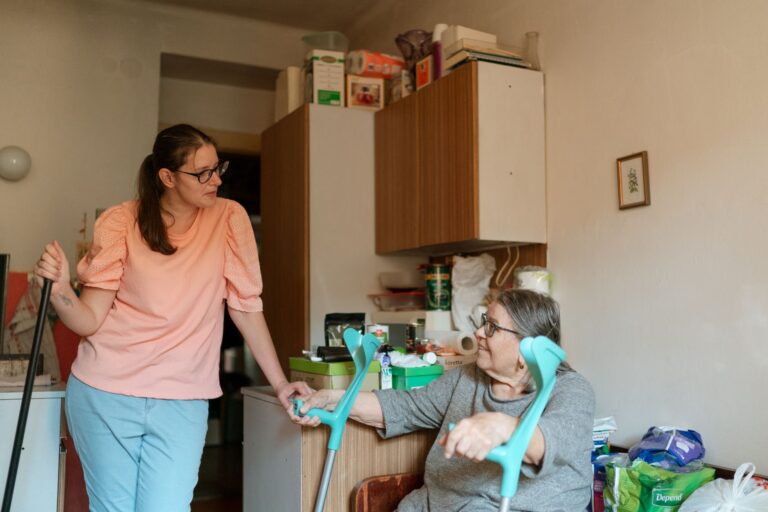
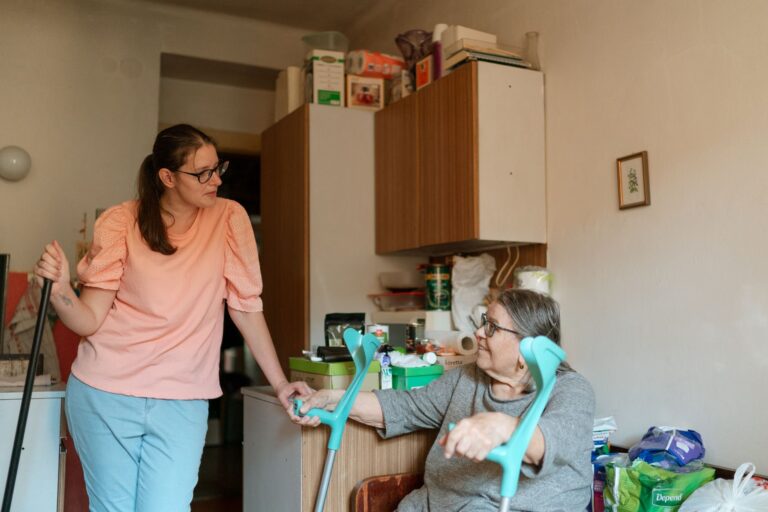
Chair-based exercise means activity done while seated in a sturdy chair, built for people who cannot stand safely for long. For dementia care in winter, seated marching, twists, stretches, sit-to-stands and chair yoga keep strength, mood and daily function going indoors.
According to the Alzheimer's Society exercise guide, physical activity can improve memory, mood, strength and daily functioning for people living with dementia. The same source notes trials have not shown it slows dementia progression once diagnosed. That frames winter chair routines as daily-life support.
Medical information disclaimer: This article is for general educational purposes only and does not provide medical advice, diagnosis, or treatment. Always consult a physician or other qualified health professional about symptoms, medications, tests, or treatment decisions.
Table of Contents
- What does chair activity do for mood?
- How do you set up a safe seat?
- Which indoor moves work when it is cold?
- How do you keep a winter routine going?
What does chair activity do for mood?
Low mood and worry often rise when cold cuts outings. In four care homes, residents aged 80-101 with mild-to-severe dementia joined accessible chair yoga groups. They had lower anxiety and depression scores and better mood than controls, as reported in the Journal of Applied Gerontology study.
HADS means Hospital Anxiety and Depression Scale, a short mood questionnaire used in that study. The result matters for long indoor weeks. Calmer mood can ease meals, visits and rest, even when memory itself does not change.
How do you set up a safe seat?
Start with the chair, not the moves. The NHS sitting exercises from Oxford Health NHS Foundation Trust use a stable, solid chair without wheels. Feet stay flat with knees at right angles for chest stretches, upper-body twists, seated marching and sit-to-stands.
Check the space each time and stay within reach through the set. Use the same spot so feet, floor and light feel known. Stay beside the person for the full routine. Offer one clear cue at a time and allow rest between moves.
- Place the chair on a flat floor against a wall and clear clutter away
- Keep shoes on, water close and a warm layer ready
- Stop for pain, chest tightness, dizziness or new confusion
Which indoor moves work when it is cold?
When ice, wind or dark afternoons block walks, move the habit inside. The U.S. Centers for Disease Control and Prevention guidance says adults should keep the 150-minute target with dance, walking, active video or seated routines.
Pick two or three seated options for the week. Try gentle dance from the chair, hallway walking with support, marching in place and slow twists with deep breaths. Add calm breathing and a short rest at the end to close the session.
How do you keep a winter routine going?
Short daily slots beat one long workout. Set the same time each day, play familiar music and invite one or two others to join. Groups help attention when days feel flat.
Track what was done on a fridge card. If a day is missed for illness or fatigue, resume with a lighter set the next day. Place the chair before lunch, keep water nearby and stop if pain or dizziness starts.