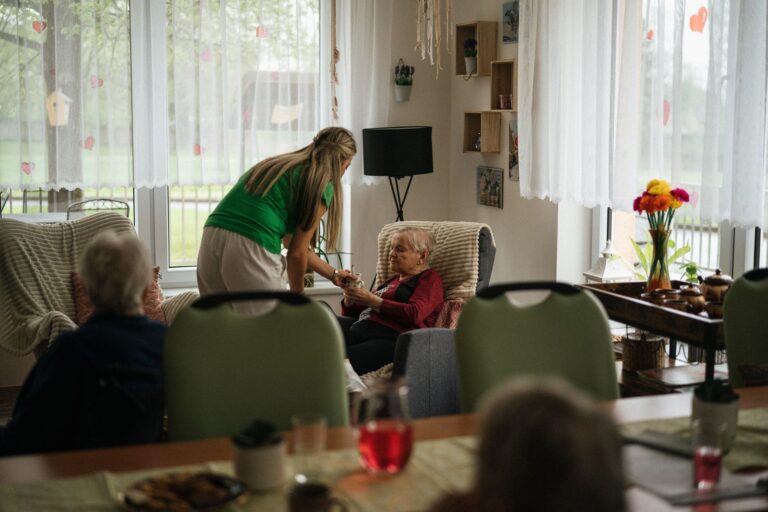
Stop trying to convince your parent they have dementia, and use short, calm conversations that offer choices. Document specific changes, suggest a routine checkup, and add help in small steps while you address safety and legal planning. Memory care means support for daily life, safety, and health needs linked to memory loss. Refusal often reflects anosognosia, a neurologic inability to perceive impairment, not stubborn denial.
Medical information disclaimer: This article is for general educational purposes only and does not provide medical advice, diagnosis, or treatment. Always consult a physician or other qualified health professional about symptoms, medications, tests, or treatment decisions.
Table of Contents
- Why does your parent insist nothing is wrong?
- How do you keep the talk calm and clear?
- How do you suggest a memory check?
- What helps when every offer is refused?
- When does refusal become unsafe, and what should you settle early?
Why does your parent insist nothing is wrong?
The Alzheimer's Association explains that anosognosia prevents the brain from recognizing its own impairment, so logic and proof do not work understanding anosognosia. Arguing or correcting often raises fear and resistance. Empathy keeps trust and keeps the door open.
It helps to separate intent from effect. Your parent may feel capable while missing bills, repeating questions, or getting lost. Focus on what you observe and how you can help.
How do you keep the talk calm and clear?
The National Institute on Aging advises simple, respectful habits for dementia communication tips for communicating with someone who has Alzheimer's. Use eye contact, use their name, and keep your tone warm and calm. Offer one short idea at a time, ask one yes-or-no question, and allow extra time to answer.
Avoid correction, criticism, and rapid-fire choices. If tension rises, pause and return later. Short visits, quiet rooms, and steady body language reduce overload.
How do you suggest a memory check?
Track exact changes with dates, such as missed medication, unsafe cooking, or confusion while driving. The Alzheimer's Association's 10 Steps approach urges families to learn the 10 warning signs, share private observations, listen carefully, and frame care as a routine checkup.
Keep the request normal and team-based. Early evaluation matters because infections, vitamin deficiency, thyroid problems, medication side effects, and depression can mimic dementia and may respond to treatment, while early Alzheimer's diagnosis widens access to treatment and support, according to the Alzheimer's Association reasons to seek early evaluation.
- Name one or two specific events and your concern
- Ask what they have noticed and listen without debate
- Suggest a routine visit to look for treatable causes
- Offer to go along and write down next steps
What helps when every offer is refused?
The Family Caregiver Alliance recommends starting with the smallest useful change. Offer choices, not commands, such as help with groceries twice a week or a ride to appointments. Validate feelings first, then solve one task together.
Ask the clinician about hidden drivers such as pain, fear, grief, fatigue, or loss of control. Adjust the trigger when you can, change the time of day, shorten the visit, or swap the helper. Progress often looks like acceptance of one aide, one safety device, or one home task.
When does refusal become unsafe, and what should you settle early?
Do not wait when wandering, getting lost, leaving the stove on, or showing unsafe driving occurs. The Alzheimer's Alliance advises involving a trusted physician, requesting a formal driving and home-safety evaluation, and arranging supervision because middle-stage dementia often makes being left alone unsafe.
Document incidents and share them directly with the care team. Use a calm period to complete legal, financial, and health-care plans while your parent still has capacity. The National Institute on Aging points to a will, living will, and durable powers of attorney for health care and finances, ideally reviewed with an elder-law attorney planning after a dementia diagnosis.