The 2026 WHO dementia guideline says cognitive training, guided practice of standardized memory, attention, speed and executive-function tasks, may be offered to adults over 65 without dementia. The evidence supports small gains in test scores, not proven prevention of dementia. The advice applies to people with normal cognition or mild cognitive impairment. The World Health Organization released the second edition on 15 July 2026 as an update to its 2019 edition, according to the WHO announcement.
Medical information disclaimer: This article is for general educational purposes only and does not provide medical advice, diagnosis, or treatment. Always consult a physician or other qualified health professional about symptoms, medications, tests, or treatment decisions.
Official resources:
- Read the official guidance from Who — Use this primary source to verify the official guidance.
- Read the official guidance from Who — Use this primary source to verify the official guidance.
Table of Contents
- What did WHO recommend for adults over 65?
- How is training different from staying mentally active?
- How much benefit did studies find?
- How can readers use brain training wisely?
What did WHO recommend for adults over 65?
WHO made a conditional recommendation based on low-certainty evidence, not a strong mandate. Cognitive training may be offered to older adults with normal cognition or mild cognitive impairment, according to the guideline summary record. Conditional means clinicians can consider it for suitable patients.
It also means benefits are uncertain and decisions should reflect preferences, access, and other health needs. The guideline speaks to adults living without dementia. That includes independent adults over 65 who notice no problems and those with mild cognitive impairment.
How is training different from staying mentally active?
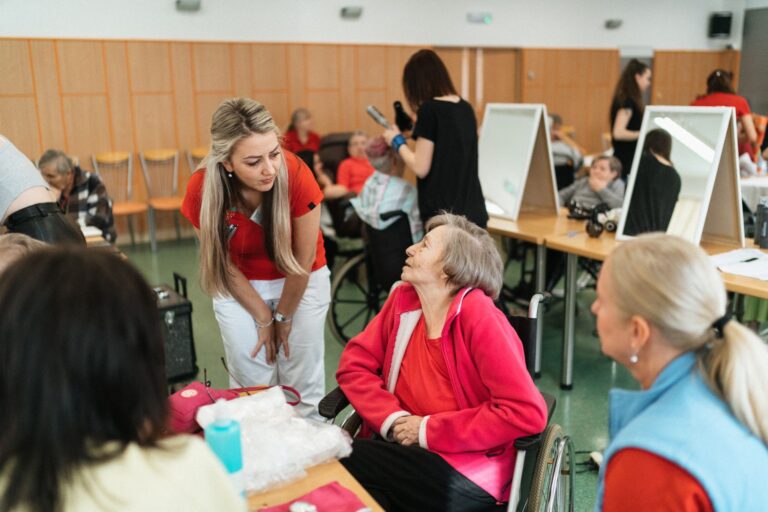
Cognitive training means structured, guided practice aimed at a specific function. Examples include recall exercises for memory, timed tasks for processing speed, and sorting or planning tasks for attention and executive function, as described in AARP reporting of WHO definitions. Cognitive stimulation means broader activity for general engagement. Examples include group discussions, games, crafts, music, and social outings.
WHO separately says stimulation with social activity may be encouraged, based on very-low-certainty evidence. The distinction matters for expectations. Training targets test-like skills through repetition. Stimulation supports participation, routine, mood, and social contact.
How much benefit did studies find?
Across trials reviewed for WHO 2026, training raised test performance by a small average amount. Researchers at the University of Southern California Yassine Lab report the average gain was about Hedges g 0.25, meaning better scores rather than proven dementia prevention, according to the Yassine Lab analysis. That size of change can show up on a practiced test.
It does not mean daily memory, judgment, or independence improved by the same amount. The ACTIVE trial followed 2,802 adults age 65 and older. No original training arm significantly reduced dementia diagnoses, and lower recorded dementia at 20 years appeared only with speed training plus booster sessions, hazard ratio 0.75, versus 1.01 without boosters, according to the SOPT research summary. Boosters mean return sessions after the first course, not one brief program.
How can readers use brain training wisely?
WHO states that up to 45 percent of dementia risk could be prevented or delayed at population level. That estimate covers 14 modifiable factors, including inactivity, hypertension, hearing loss, smoking, and isolation, not a promise that training alone protects one person. Training fits best as one part of wider risk reduction.
Blood pressure care, hearing care, physical activity, sleep, and social connection address larger shared risks. Stop a product that promises dementia prevention from games alone. Keep booster sessions, medical follow-up, and daily supports when memory problems affect safety.
- Ask a clinician whether structured training suits normal cognition or mild impairment.
- Choose programs with clear tasks, difficulty levels, and scheduled follow-up sessions.
- Track function that matters: appointments kept, bills managed, and driving safety.
- Protect hearing and vision, treat hypertension, stay active, and keep regular social contact.
You Might Also Like
- Social Connection in the 2026 WHO Dementia Guideline: What the Evidence Supports and Does Not Promise for Adults Over 65
- High Cholesterol in the 2026 WHO Dementia Guideline: What the Evidence Supports and Does Not Promise for Adults Over 65
- Hearing Aids in the 2026 WHO Dementia Guideline: What the Evidence Supports and Does Not Promise for Adults Over 65