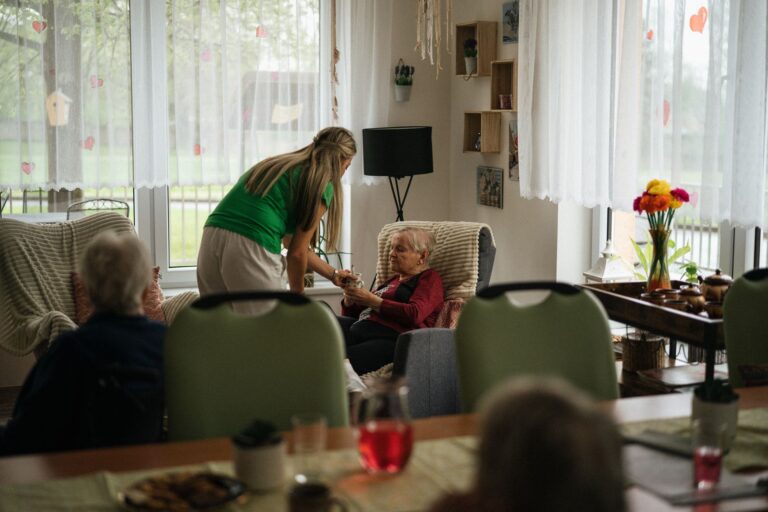
A backup plan for forgetting to drink in early-stage dementia care is a shared daily routine with named people, ready supplies, and clear contacts. Early-stage dementia means memory and judgment show changes, yet the person still manages much of daily life with prompts.
The Alzheimer's Society UK explains that people with dementia may forget to drink or miss thirst signals in its drinking and hydration guide. Dehydration can then bring headaches, added confusion, constipation and urinary tract infections. A written plan keeps sipping steady when memory slips.
Medical information disclaimer: This article is for general educational purposes only and does not provide medical advice, diagnosis, or treatment. Always consult a physician or other qualified health professional about symptoms, medications, tests, or treatment decisions.
Table of Contents
- Who Covers Drinks Each Day?
- Which Supplies Keep Sipping Easy?
- What Counts When Water Is Refused?
- When Should You Call for Help?
Who Covers Drinks Each Day?
Pick one lead helper and one or two backups for drinks. A spouse may cover breakfast and lunch, while a neighbor stops by mid-afternoon. A family member can check the evening cup by phone or visit.
The Alzheimer's Association advises sharing medical history, medication and dosage lists, doctor details and family contacts beyond the caregiver in its emergency preparation checklist. Keep copies in a watertight emergency kit near the drinks station. Save the Alzheimer's Association 24/7 Helpline 800-272-3900 with the backup names.
Which Supplies Keep Sipping Easy?
The Alzheimer's Society UK and Banner Health point to simple backup supplies for daily sipping. A familiar shape lowers hesitation, and visible liquid prompts drinking. Lightweight designs reduce spills and strain.
Keep one bottle where the person sits most. Refill it each morning and set the mug beside medications or meals. Replace long straws often and wash cups daily.
- familiar mug for comfort
- clear glass so liquid is visible, or brightly coloured cup
- lightweight cup with straw
- fresh water bottle kept in sight
- Jelly Drops sweets that add water
What Counts When Water Is Refused?
The Alzheimer's Society UK advises offering 6–8 cups or glasses of fluid daily, spread through the day. Choices include tea, coffee, milky drinks, juice, smoothies, squash, soup and water. The U.S. National Institute on Aging advises juice, flavored water, broth, milk, or decaffeinated coffee or tea when water is refused.
That National Institute on Aging common medical problems guide sets about 6 glasses daily, with more in hot weather. Cambridge University Hospitals NHS Trust lists high-water foods that count when cups are refused. Soup, jelly, yoghurt and ice lollies add fluid in soft form. Melon, oranges, cucumber, lettuce and tomatoes also help.
When Should You Call for Help?
NHS inform publishes dehydration signs that need an urgent GP call or NHS 111 in its dehydration guidance. Watch for change during illness, heat, or a day of refused drinks. Act the same day the sign appears.
Cambridge University Hospitals NHS Trust advises GP assessment and referral to speech and language therapy for coughing or choking with fluids or food. The same advice covers a wet or gurgly voice after swallowing and repeated chest infections. Do not switch to thickened fluids alone; tape the GP, NHS 111 and helpline numbers to the emergency kit.
- dark-yellow or strong-smelling pee, or peeing less
- unusual tiredness or drowsiness, or new confusion
- persistent dizziness
- rapid breathing or fast heart rate