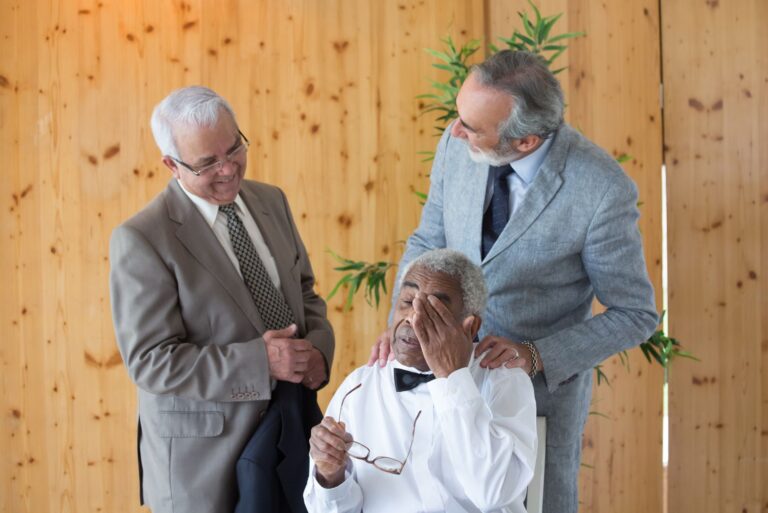
Hold a family meeting soon after a dementia diagnosis. Include the person with dementia when able, explain the diagnosis, discuss roles, and start a written assessment of care needs. A family meeting here means a planned, time-limited talk about care choices. It puts facts, needs, and tasks in one shared record.
Medical information disclaimer: This article is for general educational purposes only and does not provide medical advice, diagnosis, or treatment. Always consult a physician or other qualified health professional about symptoms, medications, tests, or treatment decisions.
Table of Contents
- Who should take part?
- How do you keep the discussion focused?
- Which tasks should you assign?
- How do you finish with a usable plan?
Who should take part?
Invite everyone concerned with or affected by care choices. The UCSF Memory and Aging Center advises an early meeting, with the person with dementia present when able. Build beyond relatives.
Friends, neighbors, community supports, and professionals can fill gaps in time, skill, or distance. If dementia makes joint discussion confusing, meet first without the person and then meet again with them. Both meetings should use the same notes and options.
How do you keep the discussion focused?
Circulate a written agenda before you meet, with clear start and end times. The Family Caregiver Alliance recommends a neutral place to keep discussion focused and time-limited holding a family meeting guide.
Bring an outside facilitator when conflict blocks decisions. A social worker, counselor, clinician, faith leader, or care manager can handle poor communication and hard topics.
- Share the agenda early and name one notetaker
- Set ground rules: one speaker at a time, no side talks
- Keep to time and park new issues for follow-up
Which tasks should you assign?
Name concrete duties, not general help. Cover daily needs, safety and supervision, medical updates, money and bills, work schedules, respite breaks, and outside services. The Alzheimer's Association offers care consultations to assess needs, resolve family issues, and write a care plan building a care team resource.
- Who helps with meals, bathing, rides, and night coverage
- Who tracks symptoms, visits, drugs, and bills
- Who covers work hours and takes planned respite breaks
How do you finish with a usable plan?
End with written choices that name who does each task by what date. Schedule a follow-up meeting before people leave.
Complete or update legal and financial papers early while the person can still take part. The National Institute on Aging lists will, durable powers of attorney for health care and finances, living will, and advance directives next steps after an Alzheimer's diagnosis. Connect to local help through the Eldercare Locator and Area Agency on Aging for respite, meals, transport, and caregiver support Eldercare Locator.