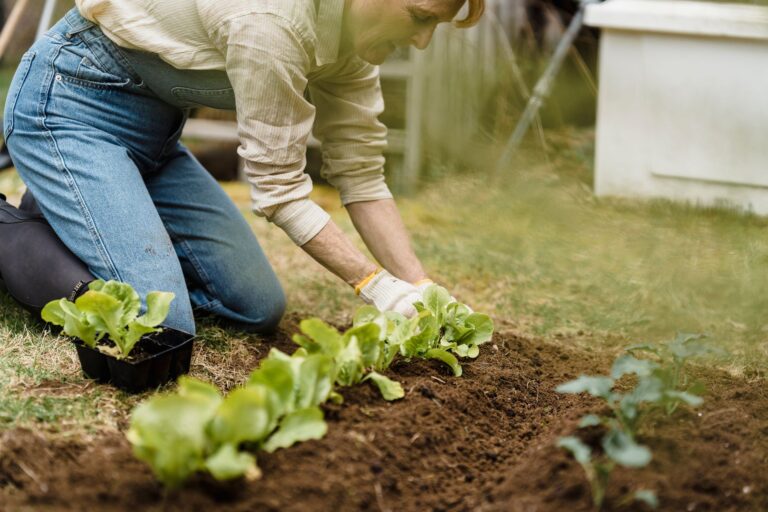
Simplify raised-bed gardening for memory care groups with tall, narrow beds, firm wide paths, and seated table tasks using safe tools and non-toxic plants. Assign one simple task per person, work side by side, and plan for supervision and sun protection.
Therapeutic horticulture is a structured, goal-oriented process led by trained professionals, according to NC State Extension. It uses sensory-rich plants and calm, repeated tasks to support people with cognitive loss. This guide shows how to adapt that approach with raised beds.
Medical information disclaimer: This article is for general educational purposes only and does not provide medical advice, diagnosis, or treatment. Always consult a physician or other qualified health professional about symptoms, medications, tests, or treatment decisions.
Table of Contents
- Build beds everyone can reach
- Keep paths firm, wide, and trip-free
- Simplify jobs at the table
- Expect calm moments and plan for supervision
Build beds everyone can reach
According to Illinois Extension, beds 24 inches tall and no wider than 4 feet when reached from all sides suit wheelchair users raised-bed height guidance. The height removes work at ground level. Iowa State University Extension notes the same raised height helps gardeners who have difficulty bending.
Keep one crop or color per bed so choices stay clear. Leave knee space under table-height planters for seated work. Keep water, soil, and harvest baskets within arm's reach.
Keep paths firm, wide, and trip-free
NC State Extension recommends wide, firm, non-slip pathways of at least 36-48 inches for therapeutic gardens therapeutic garden safety guidance. NC State Extension also calls for beds at varying heights with seated access, sanitized appropriate tools, and locked storage for sharp tools and chemicals.
Alzheimer's Society UK advises keeping furniture and pots arranged for accessible, trip-free movement and avoiding plants with thorns, prickles, sharp edges, or skin irritants. Face chairs toward the beds and keep hoses off the path. Store pruners, chemicals, and sharp stakes out of reach between sessions.
Simplify jobs at the table
The Alzheimer's Foundation of America advises working side-by-side with clear table space for dementia gardening dementia gardening activity guide. The Foundation also recommends small cups to move soil, covered tables for mess, no sharp tools, and only non-toxic plants. Use one-step jobs that show quick results:.
- scoop mix with a small cup and fill a pot
- press in large seeds or transplants and pat soil
- water gently, smell herbs, and pick ready leaves
Expect calm moments and plan for supervision
A University of Exeter Medical School systematic review covered 17 studies of care-home gardens care-home gardens review. It found gardens promoted relaxation, encouraged activity, reduced agitation, and supported memory stimulation and visitor interaction.
The same University of Exeter authors cautioned that gardens still pose hazards and require staff time to enable use, so benefits depend on supervision and hazard planning. The U.S. Centers for Disease Control and Prevention advises gardeners to wear gloves, long sleeves or jeans, wide-brim hats, sunglasses, and sunscreen on exposed skin.