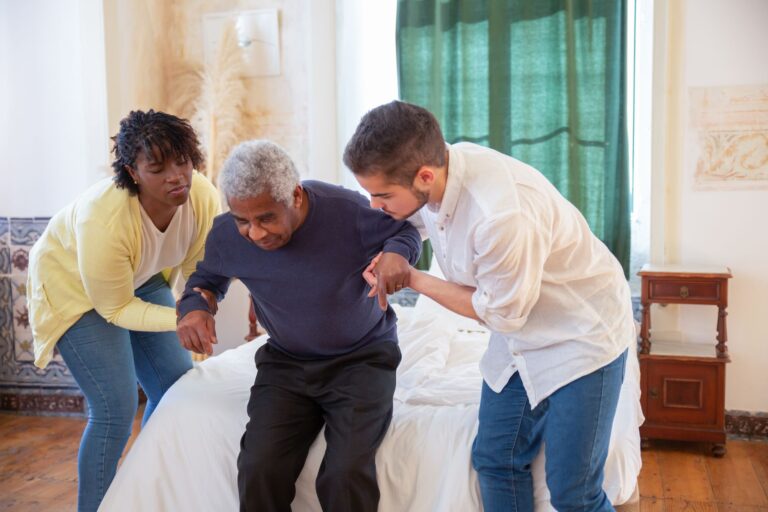
Family caregivers can build a realistic brain-health plan from the LatAm-FINGERS results: pair daily habits with a fixed schedule, coaching, and social support instead of general advice alone. The structured-coaching group improved thinking scores 55% more than the advice-only group over two years.
LatAm-FINGERS is a multidomain dementia-risk trial, which means it tests exercise, diet, brain training, health checks, and social activity together. According to the Alzheimer's Association, researchers reported the trial on July 13, 2026 at AAIC 2026 as a two-year study of 1,065 adults ages 60-77 at elevated dementia risk across 12 sites in 11 Latin American countries, described in the Alzheimer's Association release on LatAm-FINGERS. AAIC 2026 met July 12-15, 2026 in London and online as the Association's international dementia research meeting.
Medical information disclaimer: This article is for general educational purposes only and does not provide medical advice, diagnosis, or treatment. Always consult a physician or other qualified health professional about symptoms, medications, tests, or treatment decisions.
Table of Contents
- What did the trial compare?
- Why did coaching win?
- How can caregivers copy the structure?
- What are the realistic limits?
What did the trial compare?
The structured group included 539 participants. They received supervised exercise, MIND-diet counseling, computerized brain training, vascular-risk monitoring, and 38 coached group sessions with peer support.
The comparison group received regular general health advice and lifestyle recommendations. That advice came without ongoing coaching, scheduling, or supervised training. The contrast was practical: one group got appointments and coaching, the other got information.
Why did coaching win?
Both groups improved on a global thinking test over two years. The structured-coaching group improved much more, with results reported in The Lancet Healthy Longevity showing a mean between-group difference of 0.11 SD per year in the Lancet Healthy Longevity report on LatAm-FINGERS. The same structured program also produced larger gains in memory, executive function, and processing speed.
Memory covers recall of recent events and words. Executive function covers planning and switching tasks. Processing speed covers how fast someone reacts and completes mental work.
How can caregivers copy the structure?
Set fixed times for each habit. Supervised training works because someone expects attendance and tracks effort. A caregiver can serve as scheduler, partner, and record keeper.
- Walk or exercise at the same days and times each week.
- Plan meals around vegetables, beans, whole grains, fish, poultry, nuts, and olive oil.
- Schedule short brain-training sessions on the same device, at the same hour.
- Track blood pressure, medicines, sleep, smoking, diabetes, and clinic visits.
- Join one regular group activity for conversation and accountability.
What are the realistic limits?
Higher test scores do not yet prove fewer dementia cases. Families should treat coaching, exercise, healthy eating, vascular control, and social engagement as risk reduction, not guaranteed prevention, a point made in the Alzheimer's Association guidance on prevention.
The study was the first large multidomain dementia-prevention trial in Latin America, funded by the Alzheimer's Association and published alongside U.S. POINTER findings. Pick one habit to schedule this week, then add the next habit after two steady weeks.
You Might Also Like
- AAIC 2026 LatAm-FINGERS Cognitive Health Results: How Family Caregivers Can Build a Realistic Brain Health Plan
- LatAm-FINGERS Lifestyle Coaching Findings Across 11 Countries in 2026: How Family Caregivers Can Build a Realistic Brain Health Plan
- AAIC 2026 p-tau217 Alzheimer’s Risk Prediction Research: Who Was Studied and Who Was Not for Adult Children