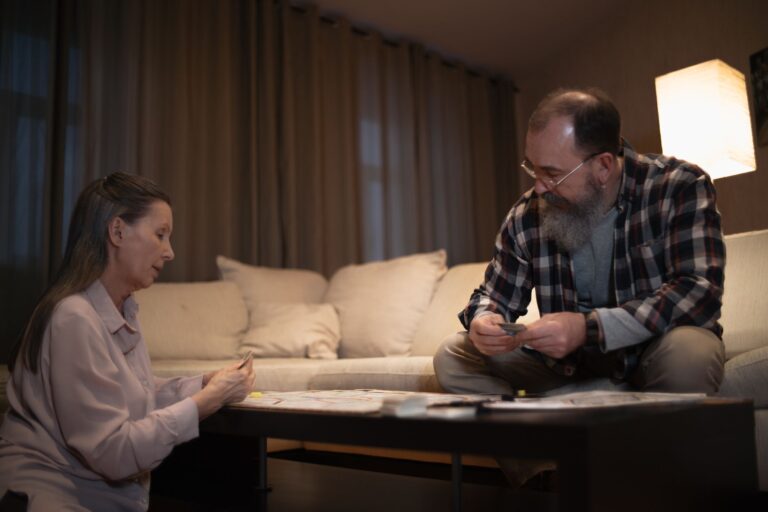
Never force pills during a belligerent outburst in dementia. Belligerence here means sudden agitation or aggression, and forcing medication risks choking, aspiration into the lungs, and injury to both of you. Pause the medication task and focus on safety first. You can try the dose later once the person is calm and can swallow safely.
Medical information disclaimer: This article is for general educational purposes only and does not provide medical advice, diagnosis, or treatment. Always consult a physician or other qualified health professional about symptoms, medications, tests, or treatment decisions.
Table of Contents
- Why forcing pills during an outburst is unsafe
- What could be driving the belligerence?
- How do you stay safe in the moment?
- What about medication for agitation?
Why forcing pills during an outburst is unsafe
Swallowing problems are common in later life and make distressed swallowing worse. McMaster University reports that dysphagia affects up to 30% of adults age 65-plus, and aspiration occurs when food, liquid or medication enters the airway McMaster guide on swallowing difficulty. Aspiration can cause coughing, choking, and bacterial aspiration pneumonia.
It can also happen silently, without a cough to warn you. Pills given whole or by the handful can cause choking. Massachusetts health guidance says people with swallowing difficulties need a swallowing specialist to choose a safer medication form rather than forcing swallowing during distress.
What could be driving the belligerence?
Agitation often has a physical trigger. The National Institute on Aging says agitation or aggression in Alzheimer's is often triggered by pain, depression, stress, too little sleep, constipation, or soiled underwear, so caregivers should check those needs first National Institute on Aging guidance. Look quietly for a full bladder, constipation, hunger, thirst, heat, cold, noise, or an uncomfortable seat.
Notice pain signs like grimacing, rubbing, limping, or resisting touch. Do not argue, restrain, or rush another swallow attempt. Fix the basic need, then reassess whether calm has returned.
How do you stay safe in the moment?
Protect yourself and others first. The National Institute on Aging advises caregivers to protect themselves and others and, if needed, stay at a safe distance until the behavior stops.
Give space, remove sharp or breakable objects, and lower noise and light. Move the person to a safer or quieter place only if you can do so without force. The Alzheimer's Association recommends creating a calm environment, removing stressors, offering soothing rituals, security objects, rest or privacy, limiting caffeine, and reassuring with calming phrases Alzheimer's Association agitation guidance.
- Step back and speak slowly in short sentences.
- Offer one choice at a time, plus water, rest, or a bathroom trip.
- Try a familiar blanket, music, hand-hold, or quiet room.
- Save pills, food, and drinks for after calm returns.
What about medication for agitation?
Psychosocial and environmental steps come first. The UK NICE dementia guideline NG97 says first look for clinical or environmental causes and use psychosocial and environmental approaches. The same guideline reserves antipsychotics for risk of harm to self or others or severe distress, at the lowest dose for the shortest time.
On May 11, 2023, the U.S. Food and Drug Administration gave supplemental approval to Rexulti brexpiprazole oral tablets for agitation associated with dementia due to Alzheimer's disease. FDA labeling warns that elderly patients with dementia-related psychosis treated with antipsychotics face increased death risk, about 1.6 to 1.7 times placebo in 17 placebo-controlled trials of about 10 weeks duration. Ask the prescriber and pharmacist about missed-dose rules and safer forms if swallowing is hard.