The 2026 National Institute on Aging summit made strengths-based dementia care a research priority. Strengths-based dementia care means care built around remaining abilities, personhood and relationships, but long-distance caregivers still face steep family costs and access gaps. The U.S.
summit met virtually March 17-19. The HHS ASPE NAPA Council Summary from April 2026 says recordings and a final report will be posted on the Care Summit site. According to a ComForCare summary of the NIA summit, the summit prioritized approaches that preserve personhood and relationship quality. It did not name one treatment or single care model.
Medical information disclaimer: This article is for general educational purposes only and does not provide medical advice, diagnosis, or treatment. Always consult a physician or other qualified health professional about symptoms, medications, tests, or treatment decisions.
Table of Contents
- What strengths-based care protects
- Why do two cost totals differ
- What does living far away add
- How to push for more consistent access
What strengths-based care protects
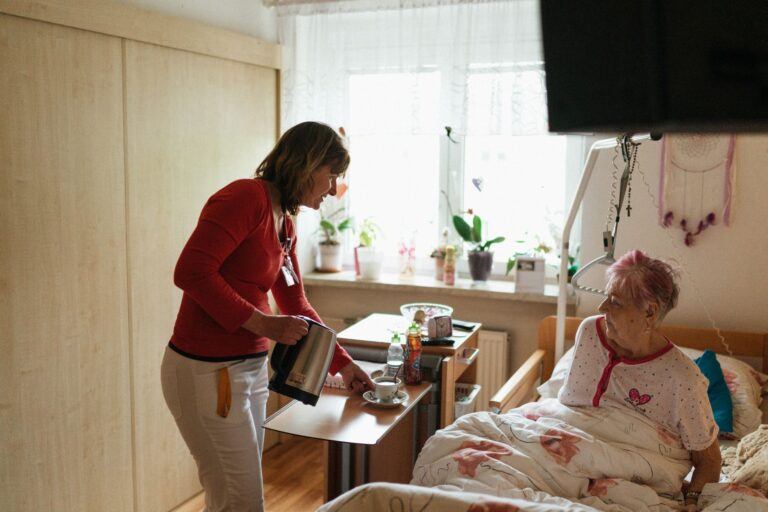
Strengths-based care starts with what the person can still do. Staff and family learn life history, habits, skills and valued roles. Visits then protect those ties through familiar routines, music, work-like tasks or shared choices.
For a distant daughter, that can mean asking for care notes on sleep, appetite, mood and best visiting times. It can mean keeping the same aide when possible and limiting loud changes. The goal is fewer conflicts and more calm contact, not a cure.
Why do two cost totals differ
According to the USC Schaeffer Center cost analysis, total U.S. dementia costs reached $818 billion in 2026. Only 27 cents of each dollar flowed through the health system. Families absorbed most of the rest through unpaid care and daily support. The Alzheimer's Association projects $409 billion in 2026 health and long-term care spending.
That figure counts formal care only. It leaves out unpaid help counted in the $818 billion societal total. According to AARP's 2026 caregiver cost release, dementia caregivers averaged $15,846 per year out of pocket. The finding comes from a national survey of 2,538 caregivers in June-July 2026. Non-dementia caregivers averaged $10,221. Travel, missed work and paid fill-in help can push the total higher.
What does living far away add
According to the NIA long-distance caregiving guide, a long-distance caregiver lives an hour or more from the person needing care. About 7 million Americans provide that kind of help. Travel, time and coordination add direct costs. Distance makes small gaps costly.
A missed refill, locked door or changed aide can trigger a flight or an urgent paid visit. Review the monthly total before adding services. If strengths-based extras like music sessions or outings cost more, ask what they replace. Keep what protects sleep, safety and contact.
- Keep one shared care folder with meds, contacts and weekly schedule
- Pay one local person for check-ins before you book flights
- Join medical visits by phone and ask for written visit notes
- Track travel, lodging and fill-in care in one monthly total
How to push for more consistent access
Canada's National Institute on Ageing said in its July 2026 report that people with dementia and caregivers should reach high-quality support regardless of where they live. It called for coordinated dementia care across regions. It listed four priorities: national dementia-care standards, better support for providers, more equitable and inclusive care, and common metrics across provinces and territories. U.S.
families can use the same checklist when a parent lives in another state. Ask who coordinates care across clinic, home aide and pharmacy. Ask how distant family joins visits and gets notes the same day. Put the answers and backup contacts in writing.
You Might Also Like
- The NIA 2026 Dementia Care and Caregiving Summit Report: Cost and Access Questions for Long-Distance Caregivers
- The $781 Billion Dementia Economic Estimate in the 2026 NIA Report: Cost and Access Questions for Long-Distance Caregivers
- Early Dementia Diagnosis Economics in the 2026 NIA Report: Cost and Access Questions for Long-Distance Caregivers