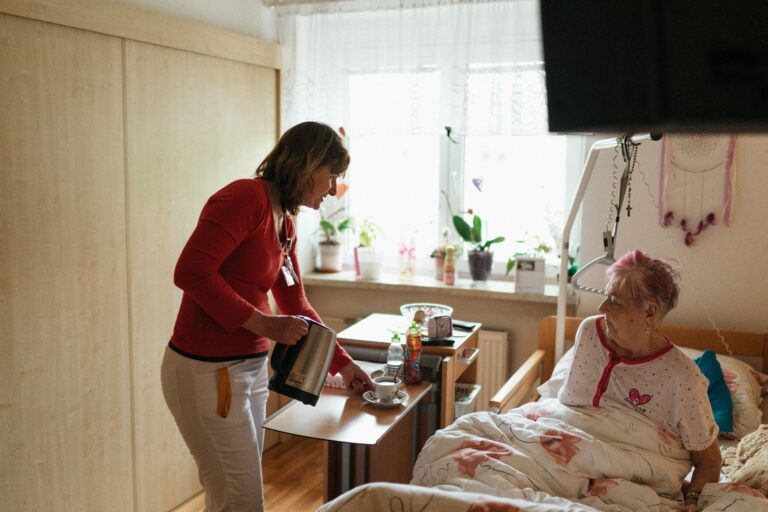
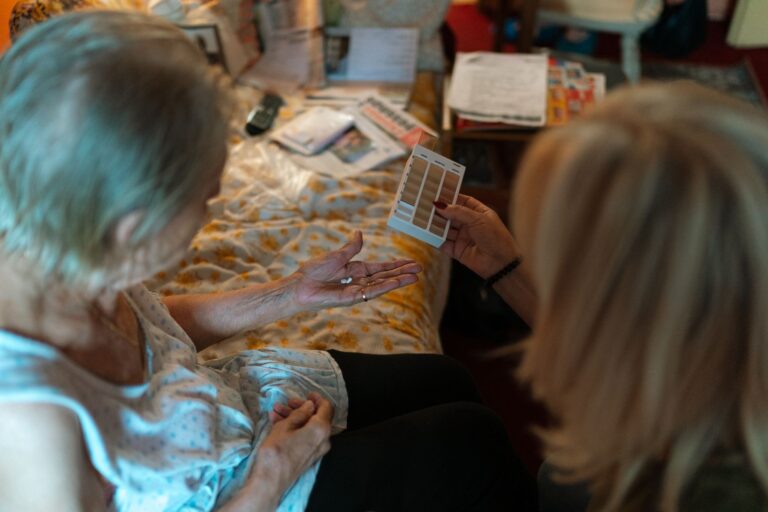
Strengths-based dementia care in the 2026 NIA report means protecting personhood and relationship quality, not prescribing one treatment. For long-distance caregivers, it means staying in care planning and covering tasks that fit distance. The Roybal NIA Research Centers describe a virtual summit on March 17-19, 2026.
It brought together researchers, care partners, and people living with dementia to review progress and unmet needs summit announcement. ComForCare, summarizing the NIA, says the summary favors approaches that preserve personhood and relationship quality over any single treatment what the 2026 NIA dementia care report means for families. That shift puts distant family inside planning, not outside it.
Medical information disclaimer: This article is for general educational purposes only and does not provide medical advice, diagnosis, or treatment. Always consult a physician or other qualified health professional about symptoms, medications, tests, or treatment decisions.
Table of Contents
- What strengths-based care protects day to day
- How do you join planning from an hour away?
- Which remote jobs help most?
- How do you stop details from falling through cracks?
What strengths-based care protects day to day
Strengths-based care starts with what remains strong. Note abilities, routines, humor, and valued roles. Build support around those anchors. Ask what a good day looks like now.
Use that answer to set visits, meals, and activities. Let the person living with dementia choose where possible. Protect the relationship, not just tasks. Keep familiar jokes, music, and rituals. Small continuity lowers stress for both sides.
How do you join planning from an hour away?
Join care meetings by phone or video. Share what you see on visits and calls. Ask for the written plan after each change. Keep one shared contact list for clinicians, aides, and family.
Update it after each appointment. Name one local contact for urgent needs. Bring the person's voice into each choice. Repeat their stated likes and limits. Check that new steps match those wishes.
Which remote jobs help most?
The Morrison Communities, citing NIA, define long-distance caregivers as living an hour or more away and advise dividing duties by strengths long-distance caregiving guidance. Pick jobs you can do well from afar.
Own the calendar if you are organized. Own bills if you spot errors fast. Trade jobs when strengths change.
- handle finances and bills
- manage appointments
- share information across family and providers
- arrange aides or respite
How do you stop details from falling through cracks?
Distance magnifies gaps between clinics, home care, and family. Use one care notebook, paper or digital. Log meds, visits, and next steps. Lean on local partners.
Faith groups, neighbors, and aging-service programs can check in. Give them clear permission and contact bounds. Set a weekly 20-minute call with the local contact. Review the log and assign next tasks. Start this week by claiming one remote job and scheduling that joint call.
You Might Also Like
- The NIA 2026 Dementia Care and Caregiving Summit Report: Care-Planning Implications for Long-Distance Caregivers
- The $781 Billion Dementia Economic Estimate in the 2026 NIA Report: Care-Planning Implications for Long-Distance Caregivers
- Early Dementia Diagnosis Economics in the 2026 NIA Report: Care-Planning Implications for Long-Distance Caregivers