The implementation-ready interventions linked to the 2026 National Institute on Aging (NIA) research discussion are collaborative dementia care and REACH II caregiver support. Adult children can ask whether a health system offers either option or a related practical trial for non-drug care.
NIA hosted its 2026 dementia-care summit virtually March 17-19, 2026, according to the NIA IMPACT Collaboratory in its 2026 summit listing. The summit product does not recommend one treatment or single care model, as described by ComForCare in its May 2026 summit summary. Collaborative care means a team integrates medical and daily-life support, while REACH II means tailored coaching and coping support for caregivers.
Medical information disclaimer: This article is for general educational purposes only and does not provide medical advice, diagnosis, or treatment. Always consult a physician or other qualified health professional about symptoms, medications, tests, or treatment decisions.
Table of Contents
- What the 2026 discussion settled
- Is team-based collaborative care available?
- Could REACH II caregiver support help?
- What should you ask the clinic?
What the 2026 discussion settled
The March summit reviewed progress, highlighted promising research, and named unmet needs for dementia care and caregiving. That review role matters for families because it sets research priorities rather than care mandates.
For adult children, the practical takeaway is narrow. No single drug or care model won endorsement as the answer for every family.
Is team-based collaborative care available?
Collaborative-care models use interdisciplinary teams to blend medical and daily-life care, according to the Center for Health Care Strategies in its NASEM brief. The report judged these models ready for real-world implementation and outcome evaluation.
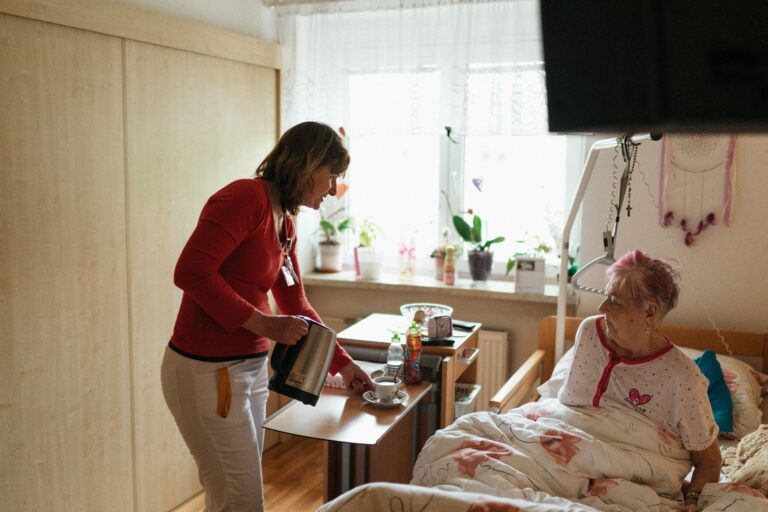
In practice, a nurse, social worker, and primary-care clinician coordinate plans together. Families may get one care plan for medicines, behavior changes, safety, and referrals. Ask who leads the team, how often you meet, and how after-hours concerns reach help.
Could REACH II caregiver support help?
REACH II is a multicomponent, tailored caregiver-support program already used in varied settings, according to the Regenstrief Institute via its research announcement. It adapts coaching to caregiver needs, skills, stress, and home safety. The same evidence review found the program ready for broader use with monitoring and quality improvement.
The backing remains limited. An AHRQ review rated both collaborative care and REACH II as low-strength evidence of benefit and found other interventions lacked enough evidence for conclusions. Ask what outcomes the clinic tracks and how it adjusts support when strain rises.
What should you ask the clinic?
Use the visit to test fit, not to chase a brand name. Bring notes on diagnosis stage, daily tasks, sleep, behavior changes, and your own work hours.
The NIA IMPACT Collaboratory describes embedded practical trials of non-drug care in its 2026 awards news. Ask these direct questions: If neither program exists locally, ask for the closest team-based support and a referral path. Record who owns follow-up and when to recheck strain, safety, and daily function.
- Do you offer collaborative dementia care with a named team contact?
- Do you offer REACH II-based caregiver coaching or similar tailored support?
- Can we join an embedded trial of non-drug care?
- How do you monitor progress and improve quality over time?
You Might Also Like
- Safety Questions After the 2026 LiBBY Dementia Trial: Questions Adult Children Can Ask About the Research
- Why the AAIC 2026 Soccer Study Does Not Prove Dementia: Questions Adult Children Can Ask About the Research
- LiBBY Trial Findings for Late-Stage Dementia Agitation in 2026: Questions Adult Children Can Ask About the Research