Eating very little in late-stage dementia signals lower need and harder swallowing. The care plan then shifts to comfort, safety, and a calmer eating space.
Late-stage dementia means advanced illness with major loss of memory, activity, and eating ability. According to the Alzheimer's Association, activity decline lowers food need while forgetfulness and appetite loss reduce intake. Caregivers then watch intake closely and adjust support instead of forcing meals.
Medical information disclaimer: This article is for general educational purposes only and does not provide medical advice, diagnosis, or treatment. Always consult a physician or other qualified health professional about symptoms, medications, tests, or treatment decisions.
Table of Contents
- Why does appetite drop so far?
- Why is swallowing less safe now?
- How should the eating space change?
- How should food and feeding help change?
- What if eating still fails despite careful help?
Why does appetite drop so far?
According to the Alzheimer's Association, people with late-stage Alzheimer's need less food as activity declines. They often forget to eat or lose appetite. Caregivers monitor intake and offer favorite foods or between-meal supplements for weight loss.
A single small meal does not tell the trend. Track intake, weight, and energy across days. Use the pattern to guide portions and timing.
Why is swallowing less safe now?
In later stages, the brain loses coordination for chewing and swallowing. According to the National Institute on Aging, food or liquid can then enter the lungs. That can cause choking, aspiration, and pneumonia that can be fatal, as explained in its care in the last stages guide.
The National Institute on Aging advises a slower pace and full attention. Keep the person fully upright during bites and sips. Allow extra time and avoid rushing or distractions.
How should the eating space change?
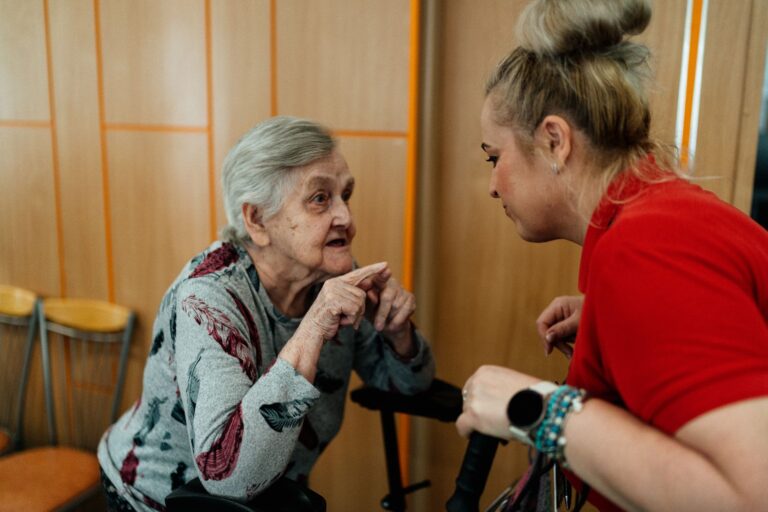
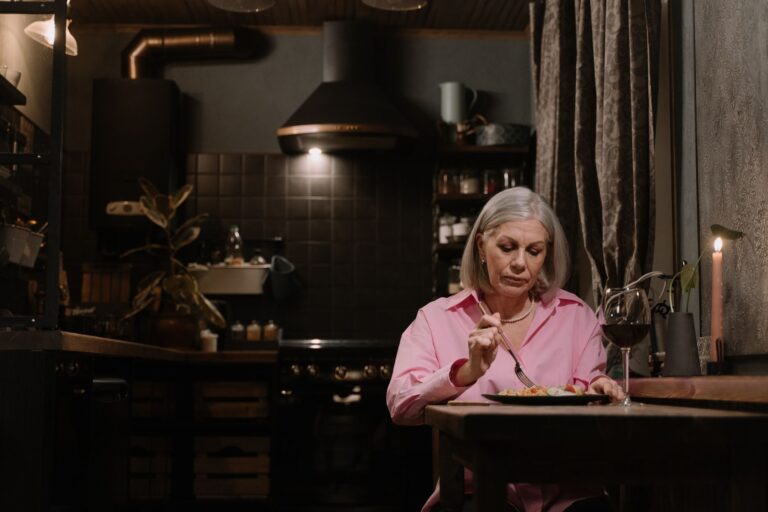
According to the Alzheimer's Association, a calm, unhurried, low-distraction setting eases eating. Its food and eating guidance recommends contrasting plates and only one or two foods at a time. It also recommends adequate time and eating together to reduce overwhelm.
Small changes lower confusion without special tools. Use a plain table, steady light, and familiar seat. Sit with the person and model bites.
- serve one or two items on a contrasting plate
- remove TV, clutter, and loud background noise
- allow long pauses and stay seated together
How should food and feeding help change?
According to the National Institute on Aging, care plans switch to small frequent soft-moist meals. Its late-stage caregiving guidance describes bite-size pieces, finger foods, and sitting fully upright. It also describes alternating bites with sips, thickened liquids, and speech-therapy referral for dysphagia.
Dysphagia means difficulty swallowing. Offer soft, moist textures that need little chewing. Alternate a small bite with a sip and keep pieces bite-size. Ask the care team about thickened liquids and a speech-therapy review.
What if eating still fails despite careful help?
According to the American Geriatrics Society, careful hand feeding performs as well as tube feeding. Its 2014 position statement reports similar outcomes for death, aspiration pneumonia, function, and comfort. It does not recommend feeding tubes when eating difficulties arise in advanced dementia.
According to Choosing Wisely Canada Nursing, texture changes, pacing, and hand feeding lower risk but cannot remove aspiration risk. Families can record wishes in advance directives and make shared decisions with the care team. Comfort-focused hospice planning is the practical next step when intake keeps falling.