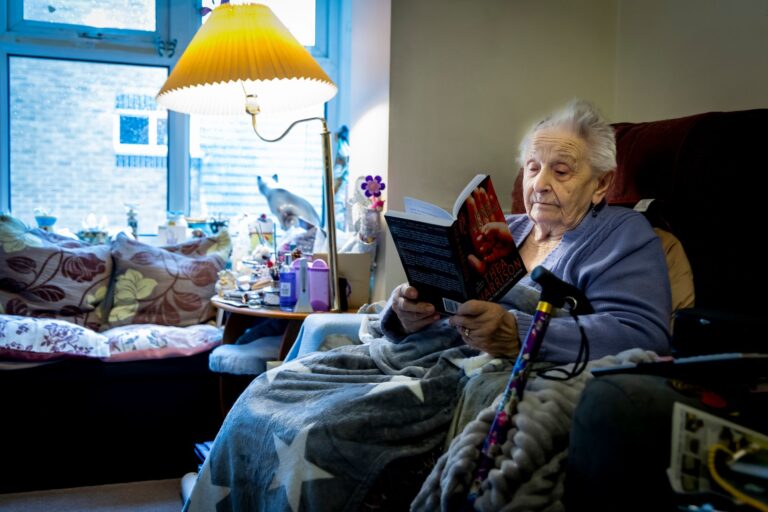
Culturally responsive caregiver support in the 2026 NIA report means care that preserves personhood and fits family culture, language and values. For spouses and partners, the 2026 follow-up checklist turns those priorities into shared planning, community support and scheduled self-care. According to ComForCare summarizing the NIA 2026 report, the summit named gaps and priorities, not one model, around personhood, planning and community supports summary of the 2026 NIA report. That focus matters for spouses who provide daily hands-on care at home.
Medical information disclaimer: This article is for general educational purposes only and does not provide medical advice, diagnosis, or treatment. Always consult a physician or other qualified health professional about symptoms, medications, tests, or treatment decisions.
Table of Contents
- Why does shared planning come first?
- What makes support culturally responsive?
- What belongs on your follow-up checklist?
- How do you protect your own health?
Why does shared planning come first?
Personhood means the person remains a partner, not only a patient. Ask about routines, food, music, faith, privacy and daily choices. Write answers down and use them to guide care. Planning works best when the person with dementia stays involved as able. Invite brief input at calm times.
Then bring family, friends, clinicians and community supports into the same plan. The Alzheimer's Association reports nearly 13 million Americans gave over 19 billion hours of unpaid dementia care in 2025 2026 National Family Caregivers Month report. Many spouses carry that load without backup, so naming helpers early prevents crisis decisions. Revisit the plan after falls, hospital visits, behavior changes or new strain. Keep one page with contacts, medicines, respite options and what calms distress. Share it with anyone who helps.
What makes support culturally responsive?
Culturally responsive help fits language, kin roles, faith, food and ideas about aging and care. It also respects who should decide and who should help. Duke Scholars reporting the February 2026 Pair 2 Care study in the Journal of the American Geriatrics Society describe pairing former Black caregivers as virtual peer mentors with current Black caregivers for 6 months, retaining 90% of mentors and 93% of mentees Pair 2 Care publication record. Spouses can borrow that peer idea without joining a study. Seek a mentor who shares your background and stage.
Ask how they handled meals, worship, family visits, personal care and disagreements. Choose tips that fit your values, not ones that require you to abandon them. If materials or groups feel mismatched, ask for plain-language options, interpreters or faith and community partners. Bring a trusted relative or friend to visits. Small fit changes raise use and lower friction.
What belongs on your follow-up checklist?
Use the list as a monthly check, not a one-time form. Keep it visible on paper or phone. Review it with your partner when possible. After each check, pick one next action with a date.
Call the respite program, attend one group meeting or refill a prescription. Close the loop before adding new tasks. If help is refused, start smaller. Offer a short visit, meal help or ride before personal care. Note what worked for next time.
- Confirm care preferences, daily routine and comfort measures.
- Name two respite options and book the next break.
- Join one peer, faith or support group contact.
- Track sleep, meals and missed medical visits.
- Update helpers, contacts and community resources.
How do you protect your own health?
NIH News in Health, citing NIA-funded caregiver research, links high strain in spousal caregivers to about 63% higher mortality risk, depression and poor sleep coping with caregiving. Risk rises when own care keeps slipping. Treat your health visits, sleep, meals and movement as care tasks. Schedule respite before exhaustion.
Keep your clinician, dentist and eye appointments. Ask your support contact to check whether you kept them. Watch for warning signs: constant fatigue, poor appetite, skipped medicines, dread, tearfulness or anger. Act early with respite, counseling, faith support or medical care. Booking your own visit this week is the next step.
You Might Also Like
- Early Dementia Diagnosis Economics in the 2026 NIA Report: A 2026 Follow-Up Checklist for Spouses and Partners
- Community-Academic Dementia Partnerships in the 2026 NIA Report: A 2026 Follow-Up Checklist for Spouses and Partners
- Why the AAIC 2026 Soccer Study Does Not Prove Dementia: What Is Established and What Remains Uncertain for People With Mild Cognitive Impairment