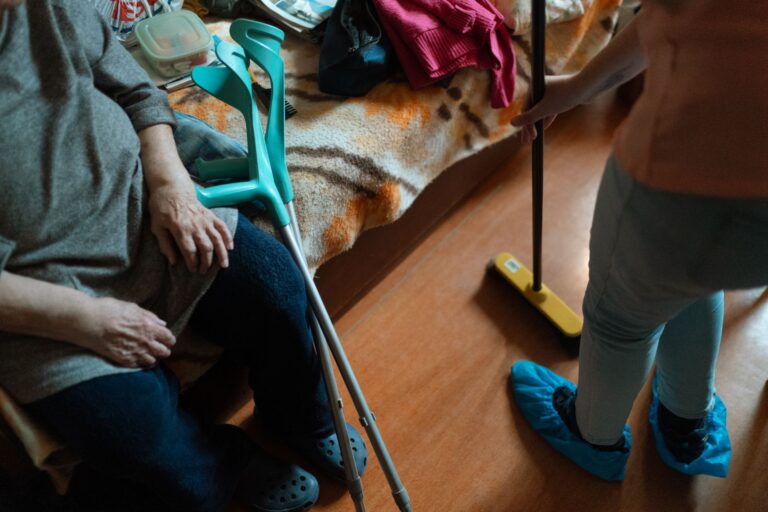
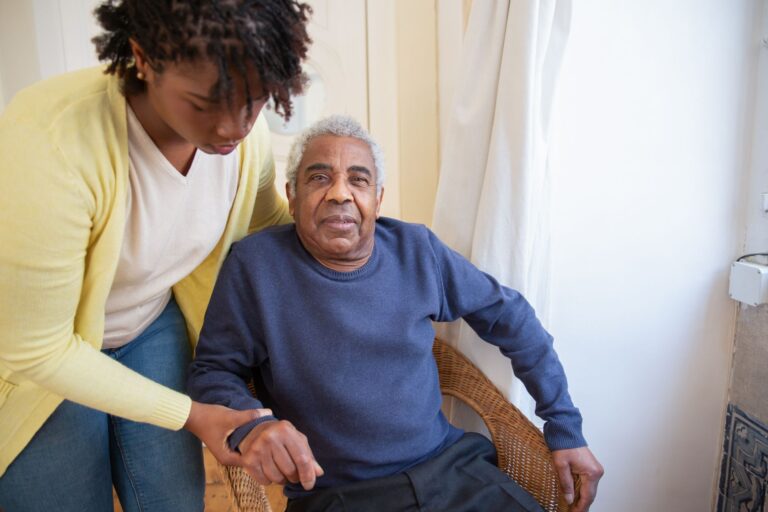
If you care for a disabled spouse at home, you qualify for an exemption from Medicaid work requirements. You do not need to complete monthly work hours because you count as a specified excluded individual.
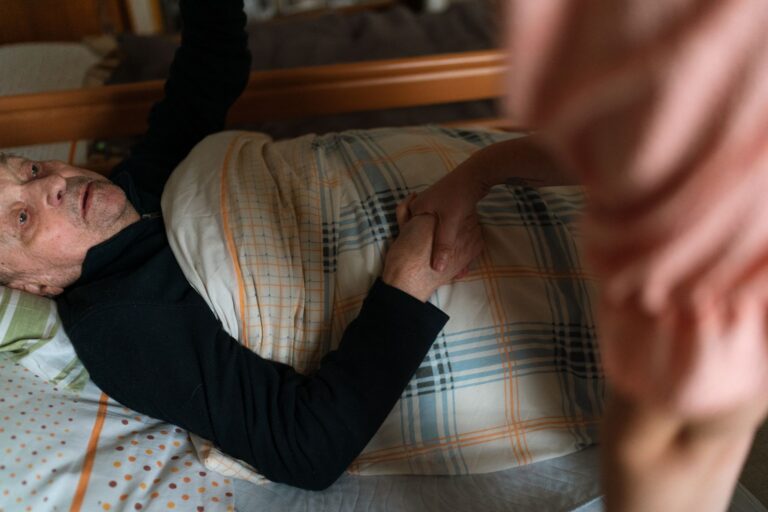
That term means community engagement is not a condition of your eligibility. Dementia care often means constant supervision, meals, and safety help. This exemption lets that daily care replace outside work hours.
Medical information disclaimer: This article is for general educational purposes only and does not provide medical advice, diagnosis, or treatment. Always consult a physician or other qualified health professional about symptoms, medications, tests, or treatment decisions.
Table of Contents
- Who must meet the Medicaid hours rule?
- Why does a spouse count as a caregiver?
- Does the SNAP rule work the same way?
- What should you keep ready for the state check?
Who must meet the Medicaid hours rule?
The Centers for Medicare & Medicaid Services applies the rule to non-pregnant adults ages 19-64 in the adult coverage group. Those adults must complete 80 hours per month of work, education, or community service. States must start the program by Jan.
1, 2027, as described in the CMS fact sheet. The same agency exempts parents, guardians, caretaker relatives, and family caregivers of a child age 13 or younger or a disabled person. At 42 CFR 435.554(c)(3), these caregivers are called specified excluded individuals. Community engagement is not a condition of eligibility for them, so no monthly hours are required.
Why does a spouse count as a caregiver?
A spouse fits because the rule defines caretaker relative to include a relative by blood, adoption, or marriage. You must live with your spouse and assume primary responsibility for care. That home-based, primary-care role is what triggers the exclusion.
SpecialNeeds.com explains the rule uses the Americans with Disabilities Act standard, not Social Security disability, as detailed in its rule analysis. People of any age with a disability qualify, so adult spouses are covered. A wife who manages medicines, meals, and wandering risk for a husband with dementia is the core example.
Does the SNAP rule work the same way?
Food assistance has a separate but similar protection. The USDA excuses people ages 16-59 from SNAP work rules when they care for a child under 6 or an incapacitated person.
Details are listed on the USDA work-requirement page. If you care full time for a spouse with advanced dementia, ask your SNAP office whether your spouse meets its incapacitated-person test. Do not assume Medicaid and SNAP share paperwork, and ask each office what it needs.
What should you keep ready for the state check?
Justice in Aging notes a narrow limit for unrelated, non-household helpers. A caregiver who is neither related to nor living with the disabled adult qualifies only by providing 80 hours of caregiving. Other caregivers, including spouses at home, are excluded without meeting hours.
Justice in Aging explains states must first use existing data to find excluded caregivers before asking for proof. Justice in Aging outlines these application and renewal checks in its Medicaid engagement guide. Keep three items ready:.
- relationship: marriage certificate or joint tax record
- shared home: lease, utility bill, or ID with the same address
- disability and care role: clinic letter plus brief daily care notes