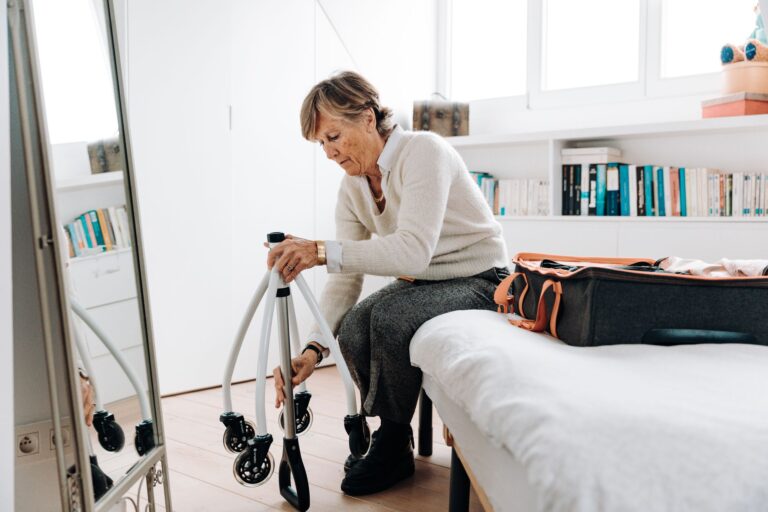
Yes, nursing-home coverage stays protected by law while home care is more likely to be cut. Medicaid, the joint federal-state program that pays for most long-term care, must still cover nursing-facility care in every state. President Trump signed the One Big Beautiful Bill Act on July 4, 2025. FactCheck.org reports the Congressional Budget Office scores it at about $911 billion in net federal Medicaid cuts from 2025-2034 in its May 2026 review.
Medical information disclaimer: This article is for general educational purposes only and does not provide medical advice, diagnosis, or treatment. Always consult a physician or other qualified health professional about symptoms, medications, tests, or treatment decisions.
Table of Contents
- Why does Medicaid treat the two settings differently?
- Why is home care at higher risk now?
- Could cuts push more people into nursing homes?
- What should dementia families do now?
Why does Medicaid treat the two settings differently?
The law did not repeal the nursing-facility benefit. It did not order nursing homes to close. Nursing-facility services remain a mandatory state-plan benefit. Home care works differently.
Home and community-based services, called HCBS, help people live at home with aides, meals, and daily support. KFF reports nearly all HCBS is optional, so states may cap enrollment when demand exceeds slots in its summary of the 2025 reconciliation law. That legal split shapes what states can cut. They must keep nursing-home coverage. They can freeze or shrink home-care programs.
Why is home care at higher risk now?
Home-care access was already rationed before cuts phase in. More than 600,000 people were on HCBS waiting or interest lists in 2025, with average waits of about three years, according to KFF analysis described by McKnight's Home Care in its August 2026 report. New budget pressure makes that backlog harder to clear. Justice in Aging told the Senate Budget Committee on Aug.
4, 2026 that the law enacted nearly $1 trillion in Medicaid cuts through state-financing limits. States facing those gaps often cut optional programs first, and HCBS is the largest optional long-term-care program. For dementia families, that means fewer aide hours, tighter eligibility, and longer waits. A program can stay on the books but serve fewer people.
Could cuts push more people into nursing homes?
Yes, that is the concern for people with dementia who need daily help. About 1 million dually eligible older adults who need help with bathing, dressing, and eating face reduced home supports. Analysts warn loss of HCBS could push vulnerable people into nursing homes. A nursing home can feel like the only option when home help stops.
A spouse cannot safely lift, bathe, and supervise around the clock. A person who wanders at night needs awake coverage. That shift would run against what most families want. It would keep a legal guarantee but use it in the more restrictive setting.
What should dementia families do now?
Protection for nursing homes is legal, not financial. The law restricts provider taxes and state-directed payments that support facilities. CMS also repealed numeric federal staffing standards effective Feb.
2, 2026. Families planning for home care should act early while slots and rules are stable: Spouses of HCBS recipients keep spousal-impoverishment income and asset protections only through Sept. 30, 2027 unless Congress extends them, while nursing-home spouses retain them permanently, according to Justice in Aging in its August 2026 Medicaid guide. Check that date before making a home-care plan.
- Ask the state Medicaid office if HCBS enrollment is open, capped, or wait-listed.
- Get a care-needs assessment that lists bathing, dressing, eating, and supervision needs.
- Keep copies of approvals, hours, denials, and appeal deadlines.