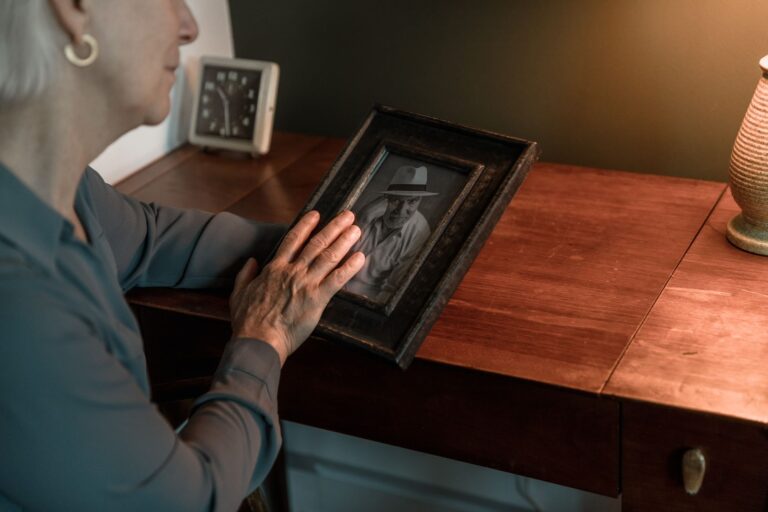
Store safe games in a low, open spot the person can see and reach with supervision. Lock medications, sharps, matches, tools, and other hazards in a separate cabinet. Dementia means ongoing loss of memory and thinking skills that makes common objects risky. That split — open games, locked hazards — prevents choking, poisoning, and confusion during play.
Medical information disclaimer: This article is for general educational purposes only and does not provide medical advice, diagnosis, or treatment. Always consult a physician or other qualified health professional about symptoms, medications, tests, or treatment decisions.
Table of Contents
- Keep hazards locked and games separate
- Which game pieces are safe to leave out?
- What about rummaging and loose tokens?
- When should games come out and go away?
- How do you clean games before storage?
Keep hazards locked and games separate
The Alzheimer's Association advises storing medications, sharp objects, matches, alcohol, small appliances, and tools in a securely locked cabinet, away from game storage Home Safety page. Use that locked cabinet only for hazards, never for puzzles or cards.
The National Institute on Aging recommends safety latches on cabinets and drawers with breakable or dangerous items, plus locked storage for cleaning products, knives, scissors, and blades Home Safety Tips. Keep only tested safe games on open shelves or in a shallow bin.
- Locked: medicines, knives, scissors, cleaners, matches, tools, alcohol
- Open: large-piece puzzle, matching cards, dominoes with supervision
- Never mixed: game boxes with batteries, loose blades, or cleaners nearby
Which game pieces are safe to leave out?
Choose games with large, easy-to-handle pieces and no sharp edges. Avoid small detachable parts that could be swallowed or inhaled.
The Consumer Product Safety Commission warns that small parts fitting entirely in the federal small-parts cylinder pose fatal choking hazards. DailyCaring notes safest choices use simple rules, large high-contrast pieces with rounded edges, and sturdy non-toxic materials for dexterity and mouthing needs. Pick one or two familiar games rather than a closet of options.
What about rummaging and loose tokens?
Rummaging through drawers and boxes is common and can scatter small game tokens. Remove or secure the household junk drawer because a person with Alzheimer's may eat matches, hardware, erasers, or plastics. Store loose tokens, dice, and timer pieces in zip bags inside a lidded box. Count pieces after play and replace worn boxes that shed plastic or paper.
Small missing pieces go in the trash, not back in the game. The National Institute on Aging suggests creating a safe sorting drawer, bag, or basket of clothes or objects for free rummaging guidance on coping with rummaging. Offer folded washcloths, large scarves, or plastic lids for sorting. Keep game storage closed and out of that rummage spot.
When should games come out and go away?
Offer games as planned activity at the person's best-functioning time of day. Morning often works better than late afternoon, when fatigue rises.
The Alzheimer's Association frames scheduled pleasant activities as a way to reduce agitation and support routine. Play together for short sessions, then put the game away in its set place. That reset preserves routine and prevents unsupervised use, spills, or lost pieces.
How do you clean games before storage?
Wipe high-touch surfaces like boards, tiles, and card edges after each use. Wash hands before and after play, especially when pieces touch the mouth.
The Centers for Disease Control and Prevention explains that cleaning removes germs and that disinfecting after cleaning addresses higher-risk contamination cleaning and disinfecting guidance. Let pieces dry fully, then seal mouth-contact pieces apart from other parts. Check for chips, cracks, or peeling paint before the next session.