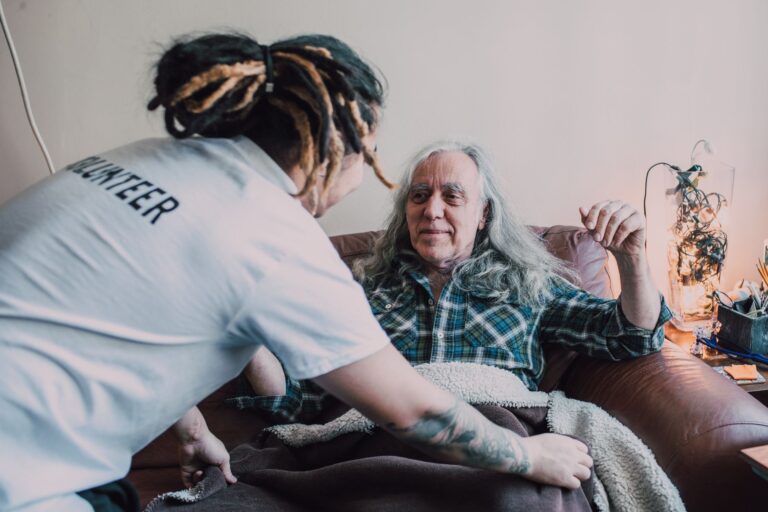
Speech-language pathology, which is therapy for speech, language, thinking, and swallowing, costs about $76.15 per covered Medicare outpatient session for dementia patients. Without insurance, a typical session costs $150–$225 in a clinic or about $60 online, according to the company page from Better Speech in its private-pay cost guide. Medicare Part B covers medically necessary outpatient speech-language pathology, including cognitive and swallowing skills. Patients pay 20% of the Medicare-approved amount after the Part B deductible, with no annual payment limit, according to the Centers for Medicare & Medicaid Services in its Medicare speech-therapy coverage page.
Medical information disclaimer: This article is for general educational purposes only and does not provide medical advice, diagnosis, or treatment. Always consult a physician or other qualified health professional about symptoms, medications, tests, or treatment decisions.
Table of Contents
- What will you pay with Medicare Part B?
- Can dementia patients qualify without getting better?
- When is home-health speech therapy free?
- How does private pay compare with Medicare?
- What does dementia speech therapy include?
What will you pay with Medicare Part B?
The 2026 standard Part B deductible is $283. After you meet it, Original Medicare pays 80% and you pay 20% for covered outpatient therapy. For 2026, the national non-facility Medicare payment for CPT 92507, the code for individual treatment, is about $76.15, according to the Summit RCM Clinical Billing Team in its CPT 92507 billing guide.
That rate rose from about $75.04 in 2025. Your share is smaller than the full rate because Medicare sets the approved amount. Ask whether the therapist accepts Medicare assignment before you book.
Can dementia patients qualify without getting better?
Yes, when the care meets Medicare rules. Medicare covers therapy to improve function, maintain current function, or slow decline. Dementia patients without expected improvement can still qualify when skilled care maintains function or prevents deterioration.
The care must be medically necessary and ordered or certified by a clinician. Keep the order, plan of care, and progress notes together. Families should confirm medical necessity, assignment, and telehealth options before treatment starts.
When is home-health speech therapy free?
Eligible homebound patients pay nothing for covered home-health speech-language pathology, according to the Centers for Medicare & Medicaid Services in its home-health coverage page. The care must be part-time or intermittent skilled care.
A doctor must order it, and a Medicare-certified agency must deliver it. This path fits patients who cannot easily leave home for daytime clinic visits. Ask the doctor whether homebound status and skilled need apply.
How does private pay compare with Medicare?
In-clinic private pay usually requires daytime travel. Online therapy can happen at home outside business hours and averages much less per session.
For weekly care, that gap adds up fast. Use the comparison to choose between speed, convenience, and covered care. Many families use Medicare-covered visits first, then add private sessions only for a clear goal.
- Ask the clinic for its cash rate, evaluation fee, and session length.
- Ask about online sessions, evening hours, and caregiver-coaching options.
- Compare one month of private pay with your expected Medicare deductible plus 20% coinsurance.
What does dementia speech therapy include?
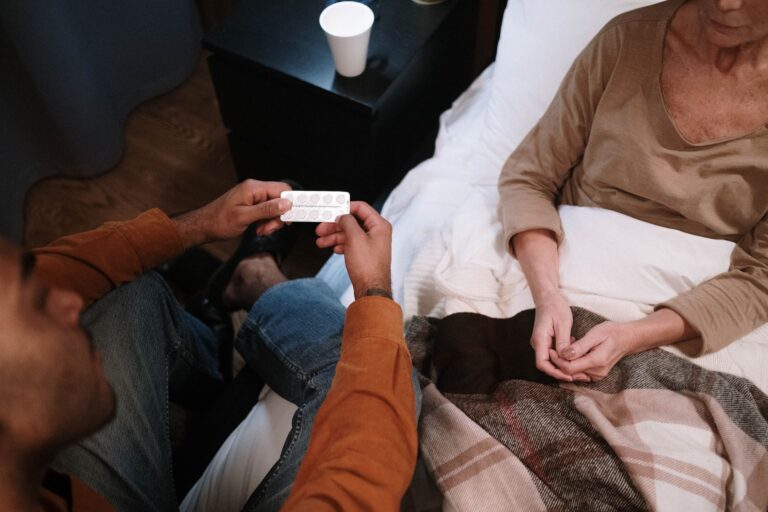
For dementia, speech-language pathologists address memory, orientation, thinking, and social interaction. Much of the work involves coaching caregivers and family members. Treatment may use memory aids, communication strategies, swallowing strategies, and AAC, which means augmentative and alternative communication tools.
Direct memory drills alone show little benefit. Practical help often means simpler choices, consistent routines, visual cues, and safer swallowing steps. Medicare telehealth covers speech therapy through Dec. 31, 2027, so ask about video visits when travel is hard.