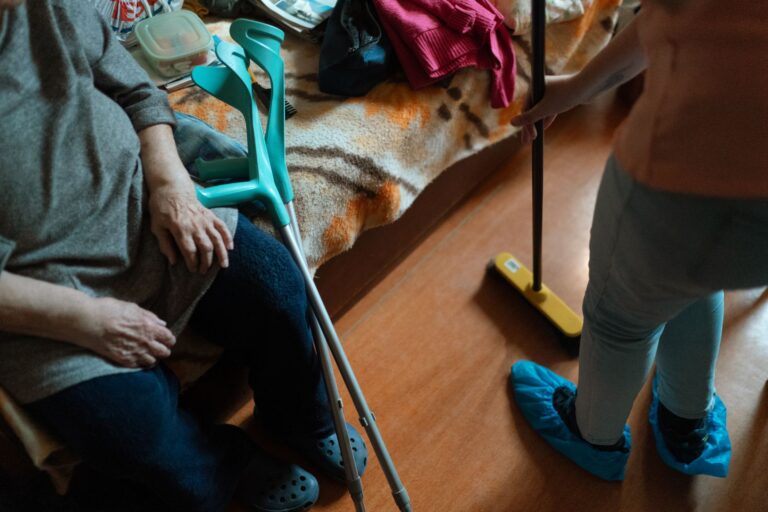
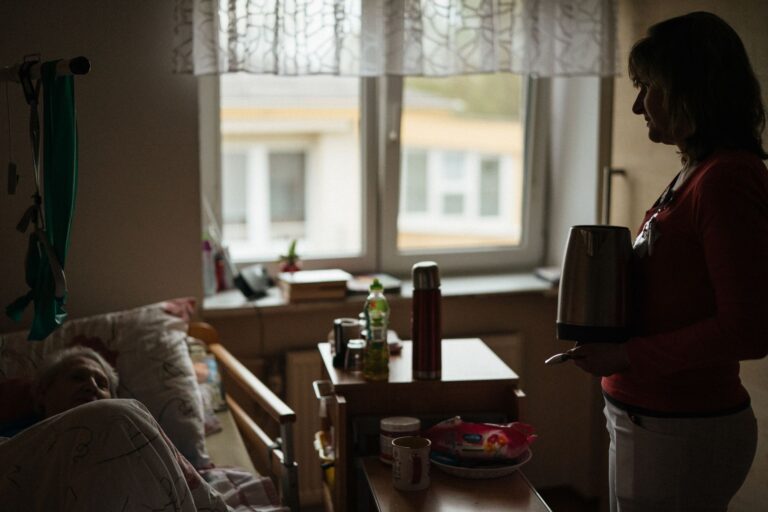
Short story collections give caregivers with limited time a complete read in one sitting. A collection holds short, self-contained stories, so you can finish one piece and stop without losing the thread. Caregiving leaves little spare time for rest.
According to the National Alliance for Caregiving and AARP in its Caregiving in the U.S. 2025 report, about 63 million U.S. adults served as family caregivers in the past year, averaging 27 hours of care weekly.
Medical information disclaimer: This article is for general educational purposes only and does not provide medical advice, diagnosis, or treatment. Always consult a physician or other qualified health professional about symptoms, medications, tests, or treatment decisions.
Table of Contents
- Why a brief reading break helps
- Start with stories written for caregivers
- When you want fiction unrelated to care
- How do you fit one story into a care day?
- Frequently Asked Questions
Why a brief reading break helps
Short, quiet reading can lower acute stress fast. NHS Blood and Transplant, citing a 2009 University of Sussex and Mindlab International study by Dr.
David Lewis, reports that just 6 minutes of silent reading reduced physiological stress markers by 68% in heart-rate and muscle-tension measures, more than music, tea, or walking. That result comes from a short laboratory protocol, not a long-term trial in caregivers. It supports a brief story as a reset during a hard day, not as proven burnout prevention.
Start with stories written for caregivers
Chicken Soup for the Soul: Family Caregivers collects 101 true stories of love, sacrifice, and bonding written by and for family caregivers. Publisher Simon & Schuster frames the book as emotional and practical support for eldercare and sandwich-generation care on its official publisher page.
You can read one account, put the book down, and return days later. The shared caregiver voice makes it easy to feel understood without following a long plot.
When you want fiction unrelated to care
Some days call for distance from caregiving. Pima County Public Library librarians recommend short-story collections for times when a whole novel takes too much concentration, including titles noted in This Is Tucson.
Their picks include Rion Amilcar Scott's The World Doesn't Require You, Maksim Osipov's Rock, Paper, Scissors, Bryan Washington's Lot, and Joe Hill's Full Throttle. Choose one story for escape, humor, suspense, or a new perspective.
How do you fit one story into a care day?
Treat personal time as recovery time. A Communications Psychology study of 318 U.S. parents, reported by MedicalXpress, found days with time free from work, caregiving, and chores brought more positive emotion and better stress recovery.
Reading together can help too. A 2024 Frontiers in Psychiatry study of 54 caregivers of children with autism found stress scores fell from 13.38 to 11.79 after about 2.76 family picture-book sessions over one month. For solo breaks, Pima County librarians point to single-sitting stories and library e-books. Ask your public library for single-sitting stories and e-books you can finish in one break.
- Keep a collection where you take breaks
- Read one story, not one chapter
- Borrow print or e-books so you always have a short option
- Stop at the end of a story without guilt
Frequently Asked Questions
Do I need to read every day to benefit?
Use one story as a short reset when time allows, separate from ongoing care tasks.
What if novels feel too demanding right now?
Pick a collection with self-contained stories, so an interrupted session still ends with a finished piece.