The 2026 National Institute on Aging report establishes that community-academic partnerships improve the relevance, adoption and sustainability of dementia programs. It leaves unanswered which partnership models measurably improve health, financial and coordination outcomes for spouses and partners. Community-academic partnerships mean joint work by researchers, community organizations, people living with dementia and care partners. The National Institute on Aging convened researchers, people living with dementia, care partners and community organizations virtually March 17-19, 2026 to review progress and set research needs, according to its 2026 summit page.
Medical information disclaimer: This article is for general educational purposes only and does not provide medical advice, diagnosis, or treatment. Always consult a physician or other qualified health professional about symptoms, medications, tests, or treatment decisions.
Table of Contents
- What the report establishes
- Why spouses and partners matter here
- How STRIDE changes trial infrastructure
- What is still unanswered for spouses
What the report establishes
The National Institute on Aging makes community partnerships, preserving personhood, involving care partners in care planning and improving coordination central research priorities. That focus comes from its August 2026 summit report on dementia care and caregiving.
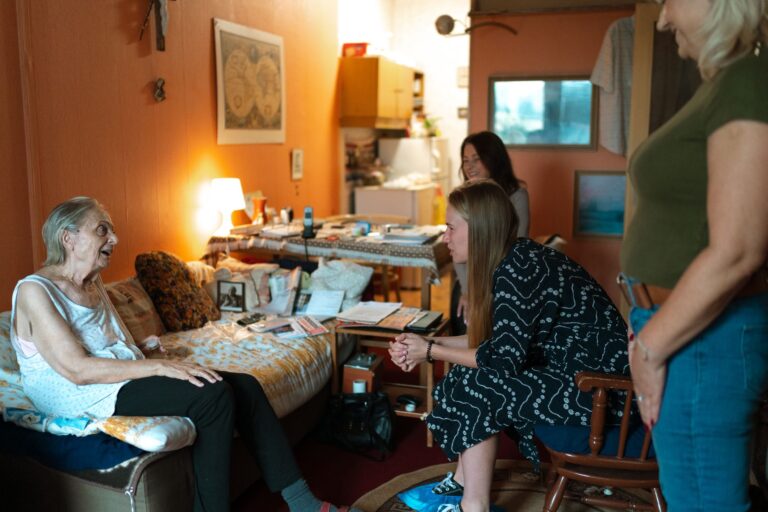
The same report finds community-engaged approaches work better in practice, according to the National Institute on Aging in its 2026 summit report. Community advisory boards, culturally tailored interventions and bidirectional researcher-caregiver partnerships make programs more relevant. They also support adoption and long-term use in communities.
Why spouses and partners matter here
An NIA-funded 2026 national estimate counts 5.7 million U.S. adults age 51 and older living with dementia, supported by 5.2 million care partners. About 868,000 of those care partners are spouses, according to the national estimate in Alzheimer's & Dementia.
That number clarifies the affected group. Spouses often share a home, budget and daily routine with the person living with dementia. Partnership research must therefore measure spouse-level effects, not only patient effects.
How STRIDE changes trial infrastructure
The NIA IMPACT Collaboratory established STRIDE in 2026 to link academic institutions and organizations nationwide. The network supports embedded pragmatic trials, according to the NIA IMPACT Collaboratory.
Its focus is high-risk, high-need dementia populations. For spouses, the value is practical reach. Trials run in care settings can reflect real workloads, staffing limits and family constraints.
What is still unanswered for spouses
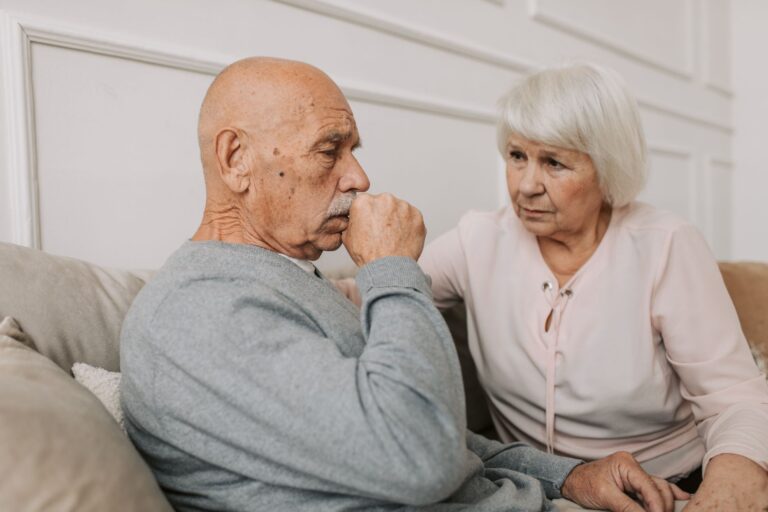
The report identifies gaps and opportunities but recommends no single treatment or care model. For spouses, key questions remain about health strain, money strain and care coordination. A summit spousal case shows the stakes.
One spouse described a two-year path to a mild cognitive impairment diagnosis, which delayed treatment. The same case involved postponed Medicare enrollment and revised wills and trusts. Spouses and partners can use the findings as a checklist: The NIA-supported cost project estimates $781-$818 billion in total yearly impact in 2026, including direct care, $233 billion in unpaid care and family quality-of-life losses. Faster diagnosis and navigation support matter because delays shift treatment, money and planning burdens onto spouses.
- Ask how diagnosis delays are tracked in your clinic
- Ask to be included in care planning visits
- Ask who coordinates referrals, medications and follow-up
- Review Medicare timing, wills and trusts early with qualified advisers
You Might Also Like
- Safety Questions After the 2026 LiBBY Dementia Trial: Research Participation Questions for People With Mild Cognitive Impairment
- The 2026 NIA Workshop on Comprehensive Dementia Care Models: Questions Long-Distance Caregivers Can Ask Local Care Programs
- Why the AAIC 2026 Soccer Study Does Not Prove Dementia: Research Participation Questions for People With Mild Cognitive Impairment