The World Health Organization published the second edition of "Risk reduction of cognitive decline and dementia" on 15 July 2026. Adults over 65 can use it as a checklist for clinician talks on exercise, diet, vascular health, hearing, vision, sleep, and mood. Dementia means lasting loss of memory and thinking skills that interferes with daily life. According to the WHO publication page, the 2026 edition updates the first 2019 guideline with broader evidence and scope.
Medical information disclaimer: This article is for general educational purposes only and does not provide medical advice, diagnosis, or treatment. Always consult a physician or other qualified health professional about symptoms, medications, tests, or treatment decisions.
Official resources:
- Read the official guidance from Who — Use this primary source to verify the official guidance.
- Read the official guidance from Who — Use this primary source to verify the official guidance.
Table of Contents
- What changed in this update?
- Which daily habits should you ask about?
- Which heart and metabolic numbers should you review?
- Why do hearing, vision, sleep, and mood matter now?
What changed in this update?
WHO groups about 19-20 changeable risk factors into four areas: lifestyle, vascular and metabolic, sensory and neurological, and social and environmental factors. Reporting on the release places that expanded list at the center of prevention across life.
Newly covered risks since 2019 include stroke, head injury, HIV-linked risk, sleep disorders and sleep apnea, vision loss, and outdoor and indoor air pollution. An older adult can ask which of these items belong in a personal history review.
Which daily habits should you ask about?
WHO points to four daily habits for people over 65 to review with a clinician. Bring notes on what you do now, what limits you, and what help you need.
- regular aerobic activity suited to joints, balance, and heart health
- healthy diet pattern you can keep, not a short test diet
- plan to quit tobacco, including quit aids and follow-up
- plan to cut back on alcohol, with clear limits and support
Which heart and metabolic numbers should you review?
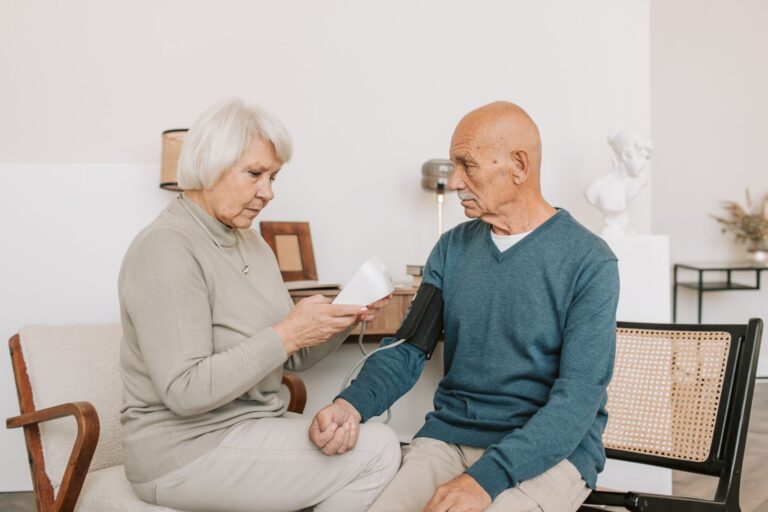
Ask about blood pressure, blood sugar and diabetes, cholesterol, and body weight. WHO links midlife high blood pressure, diabetes, and high lipids to higher later dementia risk.
Bring recent readings, drug lists, and home patterns. Useful questions are what is my target, how often should we recheck, and what change comes first.
Why do hearing, vision, sleep, and mood matter now?
For the first time, WHO says hearing aids may be offered to adults with hearing loss to lower risk of cognitive decline and dementia. Vision care, depression care, better sleep, and social and mental engagement sit in the same group.
Several of these steps, including hearing aids and blood-pressure and lipid control, are conditional advice with low or very low certainty, as described in this professional summary of the guideline evidence. That means risk reduction is likely but not promised, so ask about benefits, costs, side effects, and follow-up. WHO also estimates that up to 45% of dementia cases could be stayed or slowed by acting on changeable risks across life, according to the WHO news release.
You Might Also Like
- Cross-Cultural Dementia Risk Programs After LatAm-FINGERS 2026: Questions Adults Over 65 Can Discuss With a Clinician
- PrecivityAD2 Testing for Symptomatic Adults 40 and Older in 2026: Questions People With Mild Cognitive Impairment Can Bring to a Clinician
- MRI and ARIA Monitoring With At-Home Leqembi in 2026: Questions People With Mild Cognitive Impairment Can Ask an Alzheimer’s Specialist