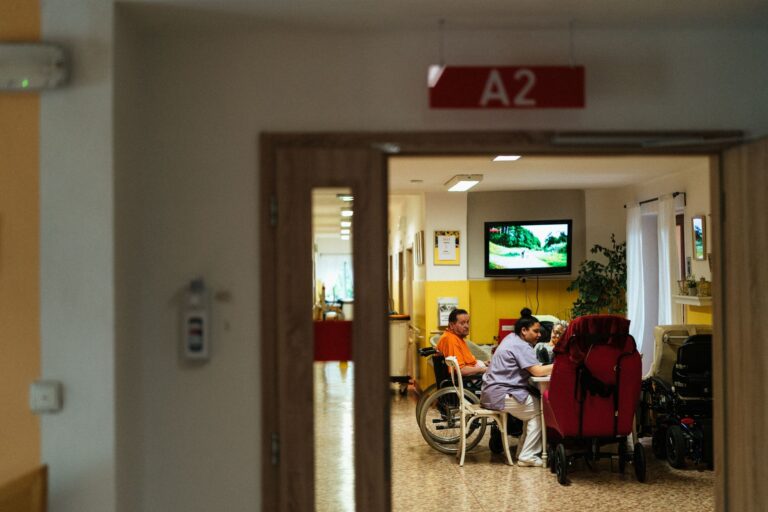
Spouses and partners do not get separate eligibility under the federal dementia care program linked to the 2026 plan. The person with dementia enrolls as the eligible patient, and the spouse or partner takes part as the unpaid primary caregiver.
The 2026 Update to the National Plan to Address Alzheimer's Disease and Related Dementias sets the wider direction for risk, research, care, and family support. According to the HHS press release, HHS announced the update on Oct. 22, 2026, replacing six historic goals with four lifespan goals on risk reduction, discovery, high-value care, and family supports HHS announcement.
Medical information disclaimer: This article is for general educational purposes only and does not provide medical advice, diagnosis, or treatment. Always consult a physician or other qualified health professional about symptoms, medications, tests, or treatment decisions.
Table of Contents
- What does the 2026-2035 update change?
- Who is eligible — the patient or the spouse?
- How do spouses and partners take part?
- What help with costs and limits should you expect?
What does the 2026-2035 update change?
The update moves federal planning from six disease-focused goals to four lifespan goals. Those goals cover brain-health risk reduction, scientific discovery, high-value care, and supports for families and caregivers. The Federal Register notice for Request for Information HHS-ASPE-2026-0298 invited public comments through Aug.
15, 2026. That input helped set priorities for research, care quality, and caregiver support. For spouses, the practical effect is focus. Risk reduction speaks to both partners, while care and support goals point to programs where the patient enrolls and the family caregiver is included.
Who is eligible — the patient or the spouse?
The patient is the eligible beneficiary in the CMS GUIDE Model. According to the CMS GUIDE FAQs, the patient must have clinician-confirmed dementia, Traditional Medicare Parts A and B as primary payer, and no enrollment in Medicare Advantage, PACE, hospice, or another GUIDE program CMS GUIDE FAQs.
Check these points before you call a program: A spouse's absence does not block the patient. A community summary of CMS rules reports that people with dementia and no identified caregiver stay eligible for care coordination.
- clinician-confirmed dementia diagnosis for your spouse or partner
- Traditional Medicare Parts A and B as primary payer
- no Medicare Advantage, PACE, hospice, or second GUIDE enrollment
How do spouses and partners take part?
Most spouses take part as the unpaid primary caregiver tied to the patient's enrollment. According to the CMS GUIDE Model page, that role brings education, care-navigation help, a support line, and respite referrals linked to the patient's alignment CMS GUIDE Model page. Day to day, that means learning behavior and safety skills, getting help with appointments and services, and calling for advice during a crisis.
It also means accepting referred respite so you can rest, work, or attend your own care. Trial participation is separate from GUIDE and often needs a study partner. The Mayo Clinic listing notes that partners usually need frequent contact with the patient and must attend study visits.
What help with costs and limits should you expect?
GUIDE funds respite through the dementia care program, not through a paycheck to you. According to the CMS GUIDE Model page, participating programs can receive up to $2,500 per eligible patient per year for respite such as in-home care, adult day programs, or facility-based care CMS GUIDE Model page. CMS rules summarized in a 2026 caregiver explainer state that the model does not pay a spouse or family caregiver directly for caregiving hours.
Training and respite can lower strain, but they do not make you a Medicare-paid worker. To join in practice, the patient enrolls with one of about 390 GUIDE dementia care programs launched July 1, 2024, in an eight-year national model described by the CMS Innovation Center. Ask the program what respite providers it uses, how referrals work, and who to call after hours.
You Might Also Like
- The HHS National Alzheimer’s Plan Update for 2026-2035: What the Update Means for Spouses and Partners
- The Third FDA-Cleared Alzheimer’s Blood Biomarker Test in 2026: Questions Primary Care Patients Can Bring to a Clinician
- PrecivityAD2 as an Adjunct to a 2026 Alzheimer’s Assessment: Questions Primary Care Patients Can Bring to a Clinician