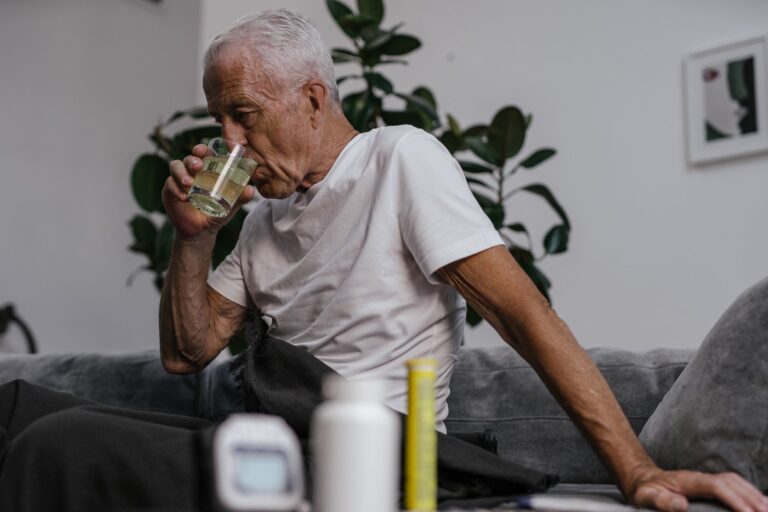
After LatAm-FINGERS 2026, adults over 65 have stronger reason to choose structured, coached brain-health habits over general advice. The update shows larger gains in memory and thinking when support is regular, practical, and culturally familiar.
LatAm-FINGERS means Latin American Finnish Geriatric Intervention Study to Prevent Cognitive Impairment and Disability. It is a two-year randomized trial of lifestyle programs for older adults at elevated dementia risk. The Alzheimer's Association reports results on July 13, 2026 at AAIC 2026 in London, with simultaneous publication in The Lancet, in the AAIC 2026 release.
Medical information disclaimer: This article is for general educational purposes only and does not provide medical advice, diagnosis, or treatment. Always consult a physician or other qualified health professional about symptoms, medications, tests, or treatment decisions.
Table of Contents
- What did the 2026 update find?
- What did the programs actually include?
- Why did cultural fit matter?
- What should you do if you are over 65?
What did the 2026 update find?
Both study groups improved global cognition, memory, and thinking after two years. One group received systematic coaching with continuous contact. The other group received flexible advice plus general health education.
The structured-coaching group gained more. According to ScienceDaily reporting on the Alzheimer's Association International Conference, that group gained 55% more on a composite global-cognition measure than the flexible-advice group, described in the conference summary. That difference matters for adults over 65 because small yearly changes affect independence, planning, and daily memory.
What did the programs actually include?
Both programs combined the same five areas. They addressed physical activity, healthy eating, cognitive training, heart-risk control, and social engagement.
The structured version gave a clear weekly routine. According to SciTechDaily reporting on the Alzheimer's Association, structured participants exercised about four times weekly plus brain training, health checks, and group meetings, detailed in the two-year program report. For a reader over 65, the lesson is frequency plus follow-up:.
- move most days, with a mix of walking, strength, and balance
- eat vegetables, beans, fruit, whole grains, nuts, seeds, and fish
- practice memory, attention, and problem-solving in short sessions
- track blood pressure, sleep, mood, hearing, medications, and smoking
- meet others weekly for learning, meals, faith, volunteering, or walks
Why did cultural fit matter?
Researchers did not only translate U.S. POINTER materials. They adapted food, movement, language, and meeting styles to local life.
Examples included salsa, tango, and park workouts, plus MIND-diet foods such as avocado, quinoa, açaí, aguaymanto, chia, and pumpkin seeds. That approach reached people often left out of prevention trials. Healio reports participants averaged about 67 to 68 years old, with roughly 74% women and about 71% identifying as mestizo, Indigenous, mulatto, or mixed. For readers over 65, the point is direct: choose foods, music, places, and groups you will keep.
What should you do if you are over 65?
Ask your clinician for a brain-health check focused on changeable risks. Bring blood pressure readings, sleep concerns, mood changes, hearing trouble, fall history, and a full medication list. Ask which local exercise, nutrition, cognitive, and social programs offer regular coaching rather than one-time tips. Start with one anchored habit in each area.
Walk with a friend on set days. Cook one familiar healthy meal twice weekly. Do ten minutes of puzzles, reading, language practice, or music. Join one weekly group that expects you. If cost, transport, or health limits activity, ask for seated options, home plans, and phone or group check-ins.
You Might Also Like
- Serious Illness and End-of-Life Dementia Research Priorities in 2026: A 2026 Follow-Up Checklist for Family Caregivers
- PrecivityAD2 Testing for Symptomatic Adults 40 and Older in 2026: What People With Mild Cognitive Impairment Should Know About the News
- Subjective Cognitive Decline Data for Public Health Action in 2026: What Is Established and What Remains Uncertain for Family Caregivers