When simple strength exercises lose appeal in early-stage dementia, which means mild memory and thinking changes with daily life still largely intact, strong alternatives include dance, Tai Chi, walking with a friend, gardening, biking, and group exercise. These options keep muscles working while adding mental, social, or balance demands that plain repetitions often lack. Interest often drops because the routine feels boring, lonely, or too hard to follow. Switching to familiar and enjoyable movement at a steady time of day can restore motivation without giving up strength and stability work.
Medical information disclaimer: This article is for general educational purposes only and does not provide medical advice, diagnosis, or treatment. Always consult a physician or other qualified health professional about symptoms, medications, tests, or treatment decisions.
Table of Contents
- Why choose activities that engage mind and body?
- What should a week still cover?
- What do dementia-specific programs use?
- How can a care partner restart movement safely?
Why choose activities that engage mind and body?
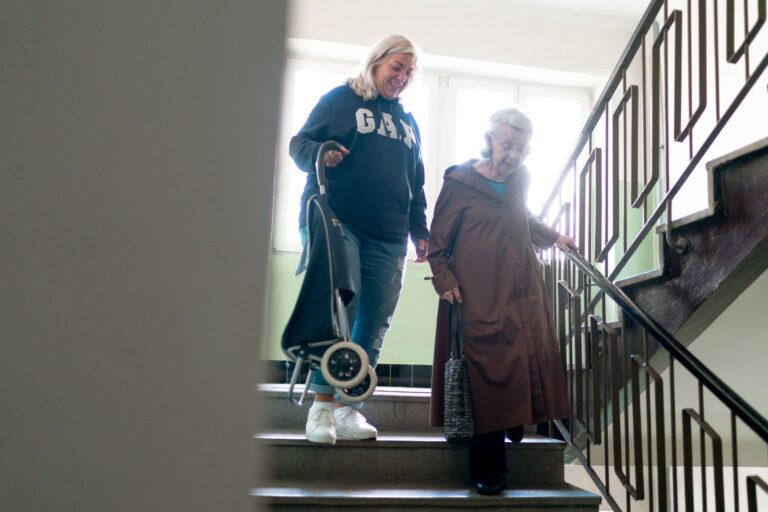
The Alzheimer's Association advises choosing physical activities that are also mentally or socially engaging, such as walking with a friend, dance classes, exercise groups, golf, biking, gardening, or dog-walking, as described in its Get Moving guidance. A partner gives conversation and cues. A class gives rhythm, music, and routine.
For early dementia, that added engagement matters for follow-through. Steps, turns, and timing hold attention better than counting lifts. Social contact also makes outings worth repeating.
What should a week still cover?
U.S. guidance for adults 65 and older calls for aerobic activity plus muscle-strengthening on two or more days and balance activities each week, according to CDC activity recommendations for older adults. Aerobic work raises heart and breathing rate. Strength work supports daily tasks like rising, carrying, and climbing stairs.
Balance work targets steadiness. Keep some resistance in the new mix rather than dropping it. Dance steps, hill walks, garden digging, and body-weight moves can carry that load. Add one or two short balance practices, such as heel-to-toe standing near a counter.
What do dementia-specific programs use?
The PrAISED program for mild cognitive impairment and early dementia uses tailored balance, strength, dual-task, functional, and environmental-access training with motivational support, as reported by University of Nottingham researchers. Dual-task means moving while thinking, such as walking while talking. Functional means practicing real tasks like turning, reaching, and stepping around obstacles.
Tai Chi is another practical swap because it links slow weight shifts, breathing, and memory for sequences. A Bournemouth University summary of the TACIT trial found weekly classes plus home practice feasible for dementia-carer pairs over 20 weeks, reported in its TACIT trial summary. A 2023 review by Tao and colleagues found dance-movement programs feasible and promising for mild impairment and dementia across thinking, physical, and quality-of-life outcomes, summarized in its PubMed record. Tai Chi did not improve instrumented Timed Up and Go subparts in mild-to-moderate dementia, so keep separate fall-risk care when needed.
How can a care partner restart movement safely?
Use supervision or a partner for safety and check with a doctor before changing activity. Stop a new activity and seek advice for chest pain, pressure, faintness, unusual breathlessness, new confusion, a fall, or joint pain that changes walking.
- Pick one familiar activity the person already likes.
- Fix the time, place, and partner.
- Start short, then add minutes, steps, or light resistance.
- Stay close for balance tasks and uneven paths.
- Match shoes, lighting, clutter, and toilet access to the task.