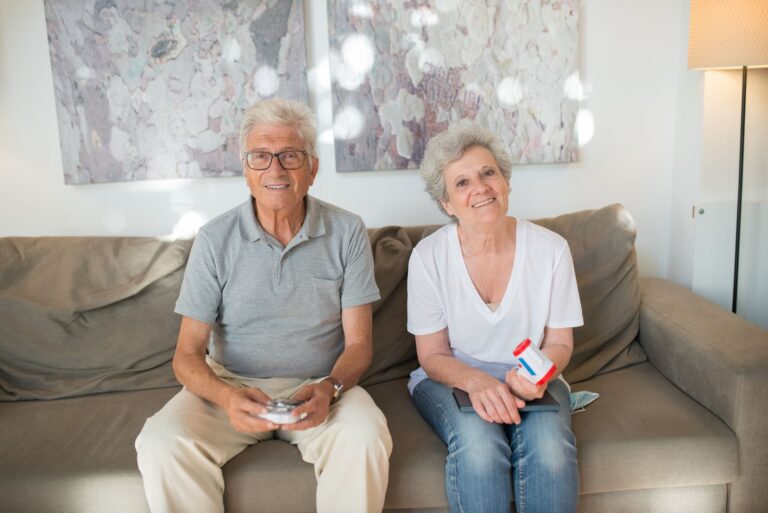
The 2026 World Health Organization dementia guideline establishes social activity as a conditional recommendation to reduce cognitive decline and dementia. The open question for midlife adults is still reverse causation: whether low contact raises risk or early impairment reduces contact. Social connection here means regular, meaningful contact with other people. The World Health Organization released the second edition of its risk-reduction guideline on 15 July 2026, updating the 2019 edition, and stated that up to 45% of dementia risk could be prevented or delayed by acting on modifiable factors, according to the WHO announcement.
Medical information disclaimer: This article is for general educational purposes only and does not provide medical advice, diagnosis, or treatment. Always consult a physician or other qualified health professional about symptoms, medications, tests, or treatment decisions.
Official resources:
- Read the official guidance from Who — Use this primary source to verify the official guidance.
- Read the official guidance from Who — Use this primary source to verify the official guidance.
Table of Contents
- What changed since 2019?
- How strong is the evidence?
- Why does midlife matter for later risk?
- What can adults in midlife do now?
What changed since 2019?
In 2019, WHO made no recommendation for social activity. It judged the evidence limited and inconclusive. The 2019 guideline also warned that low engagement before diagnosis could partly reflect early disease rather than cause it.
That caution remains central to reading the new advice. In 2026, WHO moved to a conditional recommendation for social activity. Healthed reporting on the guideline with Prof. Kaarin Anstey explains that desirable effects probably outweigh harms despite limited evidence, according to the Healthed report on the WHO update.
How strong is the evidence?
WHO graded the social-connection evidence as very low certainty. Trials used different outcome measures and showed only small positive effects on cognition. Those effects were seen in people with normal cognition or mild impairment.
A conditional recommendation is not a strong mandate. It signals a practical judgment: staying connected is low-harm and likely helpful. It does not prove a large protective effect against dementia.
Why does midlife matter for later risk?
Dementia prevention is a life-course effort, not a short-term fix in older age. The 2024 Lancet Commission estimated about 45% of cases are associated with 14 modifiable factors across life. In that model, social isolation is a later-life factor alongside midlife hypertension, obesity, hearing loss and excess alcohol.
Midlife is therefore the period to protect hearing, blood pressure, weight, activity and alcohol habits while keeping social ties active. WHO reports one in four older people experiences social isolation and attributes about 5% of global dementia risk to social isolation. Isolation also carries added risks for depression, stroke, heart disease and mortality of 14–32%, according to the Health Policy Watch report on WHO social-connection data.
What can adults in midlife do now?
For midlife adults, WHO points to integrated prevention: countries should bring brain health into noncommunicable-disease and mental-health care, while individuals stay socially and mentally engaged and control vascular risks. Regular contact works best when it is easy to repeat.
- Keep one weekly social anchor, such as a walk, meal, call, club or volunteer shift
- Pair contact with movement or learning, such as a group class, choir, sports team or course
- Treat hearing loss, high blood pressure, depression and isolation as brain-health issues to discuss with a clinician
- After illness, bereavement, job change or a move, rebuild contact deliberately before withdrawal becomes routine
You Might Also Like
- High Cholesterol in the 2026 WHO Dementia Guideline: What Is Established and What Is Still Being Studied for Adults in Midlife
- Hearing Aids in the 2026 WHO Dementia Guideline: What Is Established and What Is Still Being Studied for Adults in Midlife
- Diabetes in the 2026 WHO Dementia Guideline: What Is Established and What Is Still Being Studied for Adults in Midlife