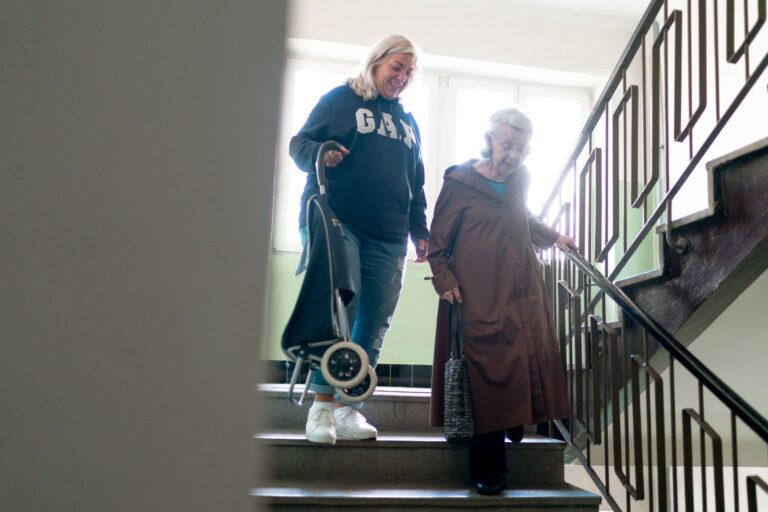
Simple strength exercises for early-stage dementia are seated, standing and walking movements using bands, light weights, body weight or weighted balls. Engagement shows as willing participation, smiling, sustained attention and following cues, while distress shows as grimacing, guarding, refusal or agitation. Early-stage dementia means memory and thinking changes are present but the person can still take part in familiar activity with support. Sessions work best when they are short, familiar, supervised and matched to balance and strength on the day.
Medical information disclaimer: This article is for general educational purposes only and does not provide medical advice, diagnosis, or treatment. Always consult a physician or other qualified health professional about symptoms, medications, tests, or treatment decisions.
Table of Contents
- Which strength moves are simple enough to start?
- How often and how should a week look?
- What does engagement look like?
- What are signs to pause or stop?
Which strength moves are simple enough to start?
Accredited guidance from Exercise Right recommends resistance training with bands, light weights, body weight or weighted balls, plus heavier household tasks like digging to build strength accredited exercise guidance. Practical choices include sit-to-stand from a sturdy chair, wall push-ups, band rows, step-ups with a rail and carrying light groceries.
The Alzheimer's Society advises sitting, standing and walking strength-and-balance exercises twice weekly to reduce fall risk falls and balance guidance from the Alzheimer's Society. Pick two or three moves per session. Keep resistance light enough for eight to ten steady repetitions.
How often and how should a week look?
U.S. guidance from the Centers for Disease Control and Prevention calls for at least 150 minutes per week of moderate aerobic activity plus muscle-strengthening for major muscle groups on at least two days, plus balance activity physical activity guidelines from the Centers for Disease Control and Prevention. For early-stage dementia, split this into short bouts such as ten-minute walks, dancing, gardening or housework.
Use familiar music and the same order of exercises each time. Offer one cue at a time and show the movement first. A physiotherapist can tailor the plan after a GP referral when balance is poor.
What does engagement look like?
Engagement is active and willing. The person watches you, smiles, keeps attention on the task, joins in without much prompting and follows cues.
Support it with choice and familiarity: In the multi-site EXERT trial in older adults with amnestic mild cognitive impairment, both low-intensity and higher-intensity exercise groups showed less cognitive decline than usual-care controls. The lesson for caregivers is consistency matters more than pushing hard.
- Let the person choose walking, dancing, gardening or music-accompanied home activity.
- Exercise at the best time of day, usually morning.
- Keep the room calm, clear and well lit.
- Praise effort, not performance, and rest between sets.
What are signs to pause or stop?
Stop and check for pain when you see grimacing or frowning, crying, shouting or moaning, changed vocalizations or guarding a body part. These signals matter because pain may appear as behavior rather than clear verbal complaint. Also pause for restlessness, pacing, agitation or aggression, resisting care, sudden refusal, withdrawal and changes in behavior, sleep or activity level.
Check thirst, toilet needs, fatigue, sore joints, poor footwear and trip hazards. There are no formal exercise-and-dementia prescription guidelines, so intensity should be individualized, supervised and fall-aware. Stop for chest pain or pressure, joint pain, dizziness or severe shortness of breath, and seek medical advice before restarting.