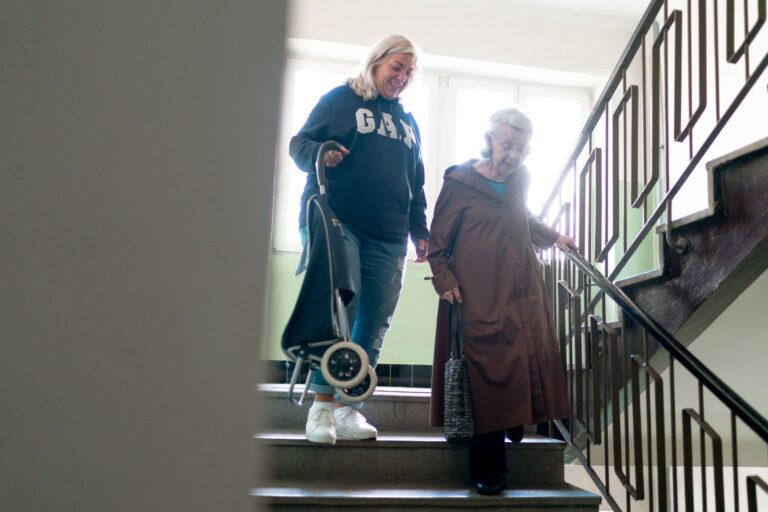
Simple strength exercises for early-stage dementia use body weight and light household objects to build leg, arm, and trunk strength at home. Early-stage dementia means symptoms are mild and the person can still follow steps, move safely, and take part in daily tasks with light support. A practical week pairs short strength sessions with daily movement. According to the NHS, older adults should be active daily and aim for 150 minutes of moderate activity or 75 minutes of vigorous activity weekly, plus strength, balance, and flexibility work on at least 2 days, as described in the NHS activity guidance for older adults.
Medical information disclaimer: This article is for general educational purposes only and does not provide medical advice, diagnosis, or treatment. Always consult a physician or other qualified health professional about symptoms, medications, tests, or treatment decisions.
Table of Contents
- How do you set up a safe space?
- What do you need?
- Which simple moves work well?
- When should you get advice first?
How do you set up a safe space?
Choose a solid, stable chair without wheels. Sit with feet flat on the floor and knees near right angles, wearing loose clothing, with water nearby and a clear, non-slip floor. The NHS sitting exercises guide recommends this setup, according to the NHS. Keep the area quiet and well lit.
Move rugs, cords, pets, and clutter away from the chair. Place the chair against a wall if it tends to slide. Stay close during the session. A family member or helper can cue each step, count repetitions, and watch balance.
What do you need?
Most moves need no special gear. Useful supplies are a sturdy chair, a wall or counter for support, water, supportive closed-toe shoes, soup cans or resistance bands, and a bag that can hold shopping items. Start with body weight only.
Add cans, bands, or a heavier shopping bag only when the basic move feels steady. Keep weights light enough to control through the full move. For people with dementia, the same weekly activity target applies. According to Alzheimer's Society, people with dementia should aim for the same weekly target, with strength, balance, and flexibility activities on 2 or more days when possible, as stated in Alzheimer's Society exercise advice.
Which simple moves work well?
Simple options use familiar patterns. Try sit-to-stand from a chair, seated hip marching, wall push-ups, lifting cans or bands, and carrying heavy shopping bags. Begin gently and add repetitions over time.
Work the muscles until a short rest is needed, then rest and repeat if energy allows. Use slow, even breathing and a comfortable pace. Stop the exercise and seek help for chest pain, dizziness, or severe breathlessness.
When should you get advice first?
Check with a GP, physiotherapist, or care-team clinician before starting a new routine. Choose supervised or dementia-friendly sessions when balance, heart problems, pain, or confusion make solo exercise uncertain.
Exercise helps maintain muscle strength, balance, independence in dressing and cooking, and lowers fall risk, but it has not been shown to slow or prevent dementia progression itself. Use strength work to support daily life, not as a treatment for memory change.
- Ask the clinician about safe effort, joint limits, and warning signs.
- Bring a list of medicines and recent falls or chest symptoms.
- Ask whether a supervised group, home visit, or dementia-friendly class fits best.
You Might Also Like
- Building Blood Pressure Control Into a Realistic Dementia Prevention Routine With Other Chronic Conditions
- Building Blood Pressure Control Into a Realistic Dementia Prevention Routine With Mild Cognitive Impairment
- Building Blood Pressure Control Into a Realistic Dementia Prevention Routine With Limited Mobility