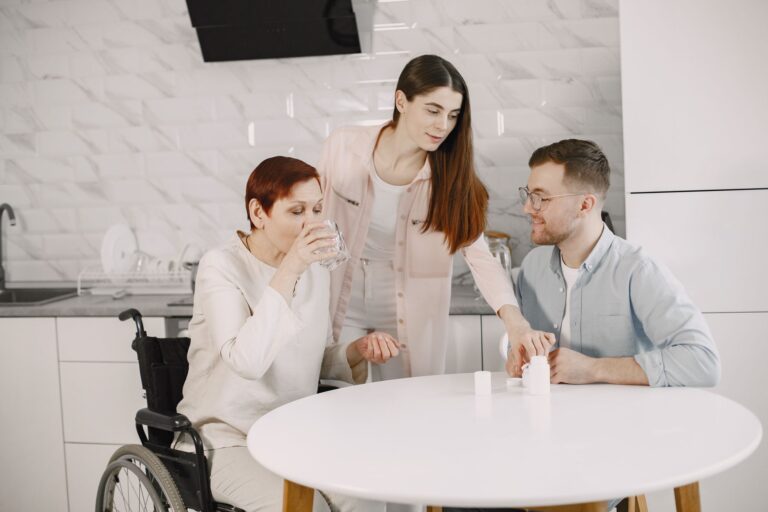
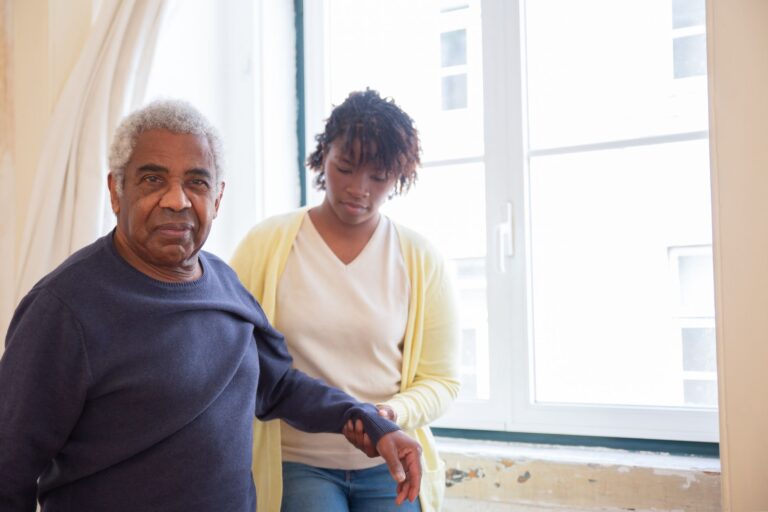
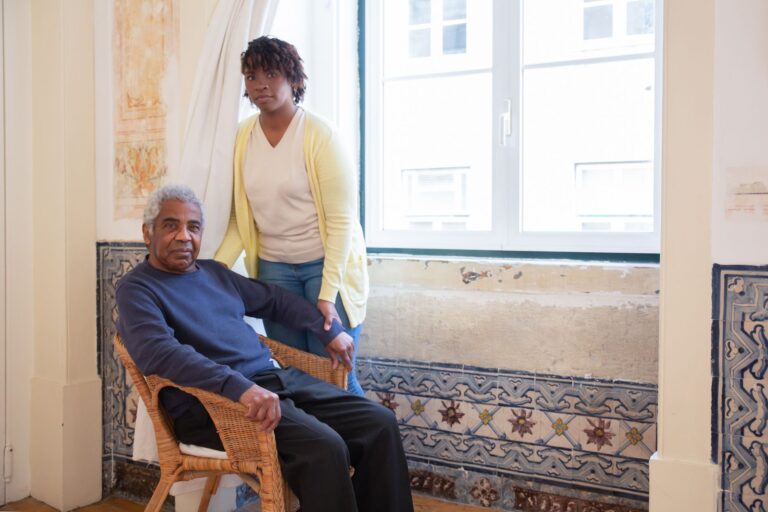
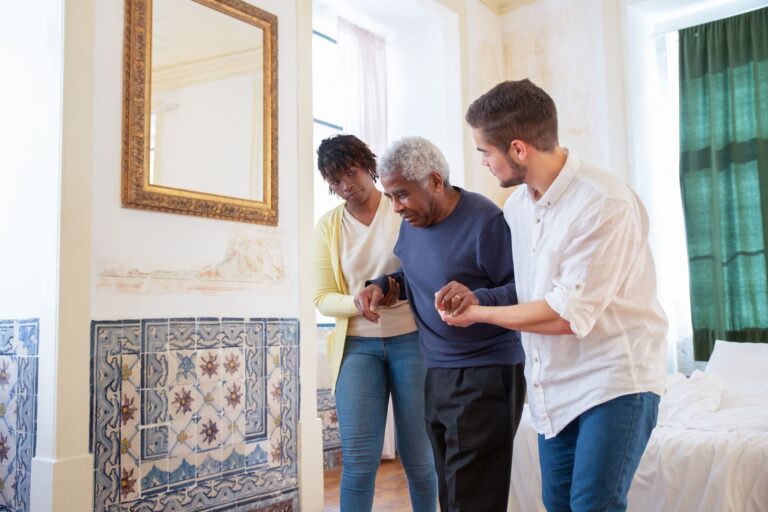
Culturally responsive caregiver support means help that fits a family's language, values, and daily life. For spouses and partners, the 2026 National Institute on Aging summit report points to co-designed programs, advisory boards, and researcher-caregiver partnerships as the way to make that fit real. The National Institute on Aging convened the virtual 2026 Dementia Care and Caregiving Research Summit on March 17-19, 2026 and published themes and research gaps, according to the National Institute on Aging in the summit report. That focus matters for partners because caregiving is common in later marriage and help often works best when it reflects culture.
Medical information disclaimer: This article is for general educational purposes only and does not provide medical advice, diagnosis, or treatment. Always consult a physician or other qualified health professional about symptoms, medications, tests, or treatment decisions.
Table of Contents
- What does culturally responsive mean here?
- Why does this matter for spouses and partners?
- What does a co-designed example look like?
- Where can spouses get practical help now?
What does culturally responsive mean here?
It means shaping support around lived experience rather than offering the same script to everyone. The report identifies community-based advisory boards, culturally tailored interventions, and bidirectional researcher-caregiver partnerships as ways to improve inclusion and relevance.
In practice, that can mean meeting times that fit work and worship schedules, materials in plain language, and examples that match family roles. Spouses can ask who helped design a program and whether people from similar backgrounds tested it.
Why does this matter for spouses and partners?
A Pew Research Center survey of 8,750 U.S. adults found about 1 in 10 cares for a parent age 65+, while 25% of adults with an aging spouse or partner are caregivers, rising to 32% when the spouse is 75+, according to Pew Research Center in the family caregiving survey.
Partner care is often daily, close, and long term. Cultural expectations shape how spouses see duty, privacy, outside help, and decision making. A responsive program names those pressures and builds coping tools that feel acceptable to use.
What does a co-designed example look like?
NIA-funded researchers tested Pair 2 Care, a culturally responsive, co-designed virtual peer-support intervention for Black family caregivers of persons with dementia, for feasibility, acceptability, and fidelity, according to the study team in the Pair 2 Care summary. Peer support pairs caregivers with someone who knows the role from the inside.
Virtual meetings reduce travel and can make it easier to join after work or care tasks. Co-design means caregivers helped shape topics, language, and ground rules before wider testing.
- Ask whether a group is peer-led, professionally led, or both
- Ask how meetings handle privacy, faith, family conflict, and grief
- Ask what happens if you miss a session
- Try one or two sessions before judging fit
Where can spouses get practical help now?
Start with needs you can name: respite, sleep, behavior changes, money tasks, or future planning. Look for programs that ask about language, food, faith, and who counts as family.
Spouses and partners can contact NIA's Alzheimer's and Related Dementias Education and Referral Center at 800-438-4380 for free caregiver information, referrals, and publications, according to the National Institute on Aging via Alzheimers.gov in the caregiver resource guide. Keep a short list of questions for the call and a notebook nearby.
You Might Also Like
- Community-Academic Dementia Partnerships in the 2026 NIA Report: A Source-Checked Briefing for Spouses and Partners
- The Ideal Dementia Care Map Discussed by NIA in 2026: Service Gaps That Matter to Spouses and Partners
- Why the AAIC 2026 Soccer Study Does Not Prove Dementia: What Researchers Still Need to Learn for People With Mild Cognitive Impairment