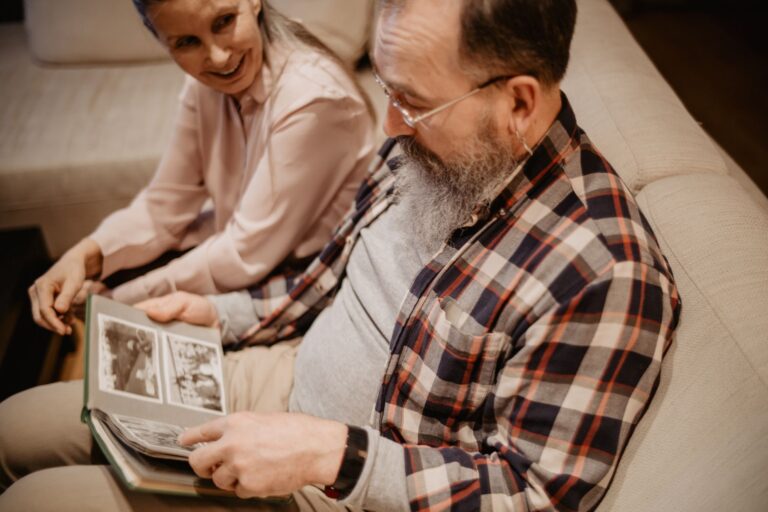
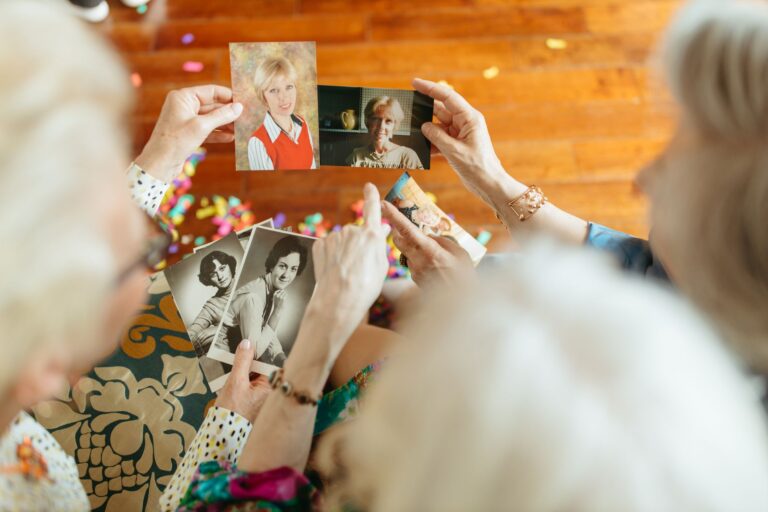
A low-energy reminiscence conversation is a brief, seated, one-to-one chat that uses a photo, song, or familiar object to invite stories about the past. You keep the setting quiet, ask one simple question at a time, and stop or switch topics if attention fades. Reminiscence work means encouraging the person to talk about a past period, event, or subject, with tangible prompts to spark conversation. On a tired day the goal is connection and comfort, not testing memory or filling time.
Medical information disclaimer: This article is for general educational purposes only and does not provide medical advice, diagnosis, or treatment. Always consult a physician or other qualified health professional about symptoms, medications, tests, or treatment decisions.
Table of Contents
- Set up a calm one-to-one moment
- Ask in a way that invites, not tests
- What are the low-energy steps?
- What can this realistically do?
- What if a sad memory surfaces?
Set up a calm one-to-one moment
Sit together in a quiet space with minimal distractions. Speak slowly and allow extra time for a response, as the Alzheimer's Association advises in its Effective Communication Strategies guide.
Keep your body language open and your tone warm. Turn off the television, set aside chores, and keep the focus on the person.
Ask in a way that invites, not tests
Ask only one simple question at a time, preferably a yes-or-no or two-choice prompt. Do not quiz memory or correct details; validate the feeling behind the answer instead.
Let the person set the agenda and follow their lead. Invite stories rather than demanding recall, and make it easy to skip a topic. Offer a guess for a missing word only if that help feels welcome.
What are the low-energy steps?
Match the activity to current ability and keep it brief and seated. The National Institute on Aging suggests steps like playing a familiar song and asking what the person was doing when it was popular, then stopping if boredom or confusion appears, in its guide to adapting activities.
- Choose one prompt: a photo, a favorite song, a short video, or a familiar object.
- Ask one gentle opener: "Did you enjoy this song back then?" or "Would you like to tell me about this photo?"
- Listen, echo feelings, and follow the person's lead.
- End or switch promptly if energy drops, confusion rises, or interest fades.
What can this realistically do?
A 2018 Cochrane review pooled 22 randomized trials with 1,972 people with dementia and found small, inconsistent benefits for quality of life, cognition, communication, and possibly mood, with no evidence of harm, according to the Cochrane evidence summary. That means it may support a pleasant interaction without acting as a cognitive cure. Families should use it for connection and comfort, not to treat, slow, reverse, or meaningfully restore memory.
What if a sad memory surfaces?
Reminiscence can bring up sad or difficult memories. Pause, offer comfort, and end the session if distress rises.
Save positive stories in a life-story book or photo album. Those pages give you an easy, familiar starting point for the next low-effort visit.