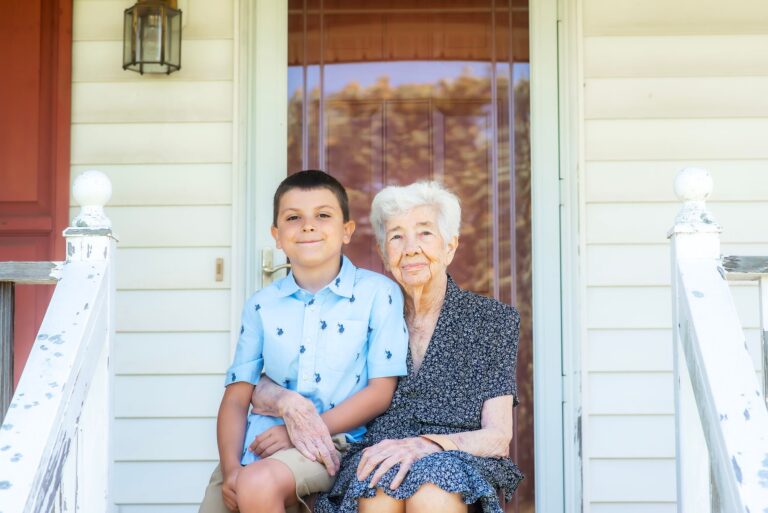
Reminiscence conversations on a low-energy day mean short, calm talks about past life, using a photo, song, or familiar object to prompt. Stay with the talk when you see engagement, and pause or redirect when you see distress. Reminiscence means recalling pleasant personal memories together, not testing memory. A Cochrane systematic review of 22 randomized trials with 1,972 participants found small positive effects on quality of life, cognition, communication, and possibly mood in people with dementia, according to the Cochrane Collaboration in the abridged Cochrane review.
Medical information disclaimer: This article is for general educational purposes only and does not provide medical advice, diagnosis, or treatment. Always consult a physician or other qualified health professional about symptoms, medications, tests, or treatment decisions.
Table of Contents
- How do you keep the conversation low-energy?
- What does engagement look like?
- What does distress look like?
- What should you do when distress appears?
- Who is most likely to benefit?
- Frequently Asked Questions
How do you keep the conversation low-energy?
Pick one familiar prompt for the session. A wedding photo, a favorite song, a scarf, a wooden spoon, or a sports program all work well. Hold it where the person can see, touch, or hear it easily. Use short simple sentences and ask one question at a time. Speak slowly in a calm voice.
Give extra time for an answer. Do not correct, quiz, or argue about dates and names. Follow the feeling in the story instead. The U.S. National Institute on Aging recommends these plain-language and nonverbal approaches in its communicating with someone who has Alzheimer's guidance. Stop after 10 to 15 minutes if energy drops.
What does engagement look like?
Engagement is active and relaxed attention to you or the prompt. Look for sustained attention, eye contact, smiling, and leaning in. Other signs are talking, singing along, and reaching for photos or objects. A brief memory fragment counts as success.
"We danced to this" is enough. Nod, repeat the words back, and let the moment breathe. Withdrawal is different from quiet enjoyment. Silence with gaze away, closed eyes, slumped posture, or pushing the object aside signals fatigue. Pause the talk, offer water or rest, and try again later.
What does distress look like?
Distress shows in the face, voice, and body. Watch for restlessness, irritability, confusion, crying, grimacing, fidgeting, pacing, or raised voice. Aggression can follow when overstimulation continues.
Late day can bring worse symptoms. Fading light and tiredness can trigger sundowning, with more pacing, worry, or confusion in the evening. The National Institute on Aging lists these patterns as common responses to fatigue and change in its coping with agitation and sundowning guide.
- Red flags to stop the session: crying, grimacing, pushing you away, standing to pace, repeated "no," rising voice, hitting or grabbing.
- Yellow flags to pause: gaze away, long silence, sighing, rubbing hands, slumping, short answers.
What should you do when distress appears?
Back off right away and ask permission to continue. Use a calm, positive statement such as "We can stop. Would you like music or quiet?" Slow down and lower noise, clutter, and background screens. Add light if the room is dim.
Offer a guided choice between two pleasant options, such as tea or a blanket. Redirect to a soothing topic, song, or short walk together. The Alzheimer's Association advises calm reassurance, reduced stimulation, and redirection to pleasant events in its anxiety and agitation guidance. If distress persists, end the session and note what triggered it for next time.
Who is most likely to benefit?
Talk-based recall fits mild to moderate dementia best. Benefits can include better mood, clearer communication, and warmer carer relationships. Effects are weaker in severe dementia, where senses and presence matter more than stories.
Group talk can support communication and interaction. One-to-one talk may better support mood. Keep expectations small on a tired day: comfort, contact, and one good moment are enough.
Frequently Asked Questions
How long should a low-energy reminiscence talk last?
Keep it to 10 to 15 minutes, or shorter if attention fades. One prompt and one small story are enough.
What if the person remembers something sad?
Acknowledge the feeling, offer comfort, and do not press for detail. Redirect to a calmer memory or sensory comfort such as music, light, or a warm drink.
Should I correct wrong names or dates?
No. Do not quiz or correct. Reflect the emotion and stay with what feels true to the person.