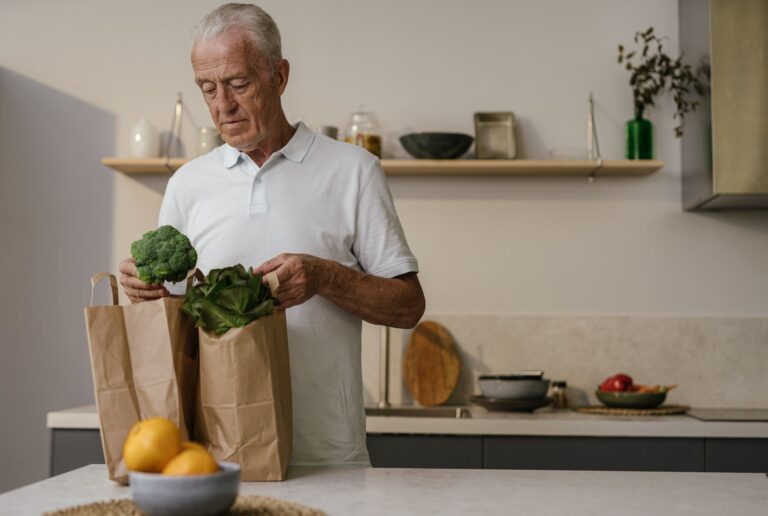
The most common barriers to the MIND diet for dementia prevention after 65 are cost, limited access to fresh foods, and age-related chewing, taste, appetite, shopping, and cooking limits. Uncertain prevention benefit also makes sustained effort harder for some older adults. The MIND diet combines Mediterranean and DASH patterns. It emphasizes leafy greens, berries over other fruit, beans, nuts, whole grains, fish, poultry, and olive oil while limiting sweets, fried foods, and red meat, according to the National Institute on Aging description in the NIA guidance on diet and Alzheimer's prevention.
Medical information disclaimer: This article is for general educational purposes only and does not provide medical advice, diagnosis, or treatment. Always consult a physician or other qualified health professional about symptoms, medications, tests, or treatment decisions.
Table of Contents
- What does MIND eating ask of older adults?
- Why do cost and access get in the way?
- How do body and daily-life changes narrow choices?
- What makes MIND eating more doable after 65?
What does MIND eating ask of older adults?
MIND eating asks for repeated purchases of fresh produce, fish, nuts, whole grains, beans, poultry, and olive oil. Berries get priority over other fruit. Fried foods, sweets, and red meat stay limited.
That pattern demands planning, transport, storage, and cooking capacity. A missed shopping trip can remove several core foods at once. A small kitchen routine built around bread, tea, soup, or takeout rarely matches it without changes.
Why do cost and access get in the way?
Cost blocks adherence because olive oil, berries, and fish are high-cost in some countries, while cheaper fast and processed foods are overconsumed by older adults. Access is also uneven, with seasonal gaps and limited fresh-food access in cities reported as a major barrier in Italy.
In the United States, about 7.4 million Americans age 60 and older faced food insecurity in 2023, about 1 in 11, according to the National Council on Aging analysis of USDA data in the National Council on Aging facts on food insecurity. Food insecurity limits reliable access to fresh produce, fish, and nuts. Readers feeding one person on a fixed income may feel this gap first.
How do body and daily-life changes narrow choices?
Chewing difficulty, poor dentition, reduced appetite, and impaired taste make raw vegetables, nuts, whole fruit, and firm fish harder to enjoy. Limited mobility, difficulty shopping or cooking, and cooking for one after widowhood reduce variety further.
These limits favor soft, familiar, long-lasting foods. A reader may skip salads, berries, beans, or fish because they are hard to chew, carry, wash, or cook. Over weeks, the diet drifts away from MIND foods without a deliberate decision to quit.
What makes MIND eating more doable after 65?
Practical help improves adherence, including culturally tailored adaptations, dietitian counseling, grocery delivery or group-dining help, softer options such as canned fruit, cooked vegetables, and ground meats, and structured coached lifestyle programs. Softer swaps keep the pattern closer without demanding raw salads or whole nuts every day.
Expectations matter too. A three-year NIA-funded randomized trial in 604 adults age 65 and older found small cognition gains in both MIND-diet and calorie-matched control groups with no significant between-group difference, as reported in the 2023 New England Journal of Medicine trial report. The National Institute on Aging calls diet supportive rather than a proven prevention treatment.
- Ask a clinician or dietitian for softer MIND swaps that fit teeth, appetite, and medicines
- Arrange delivery, senior meals, group dining, or help with shopping and batch cooking
- Keep cooked greens, canned fruit in juice, beans, frozen berries, frozen fish, and ground poultry on hand
- Match recipes to familiar flavors and cooking for one or two