To find quality caregiver training near you, start with your local Area Agency on Aging and ask about caregiver education options. Compare state-approved nurse aide programs and dementia-focused courses by hands-on practice, instructor background, and fit for daily care. Caregiver training means structured instruction in daily support, safety, and communication. For dementia care, it also covers person-centered responses to memory loss, confusion, and behavior changes.
Medical information disclaimer: This article is for general educational purposes only and does not provide medical advice, diagnosis, or treatment. Always consult a physician or other qualified health professional about symptoms, medications, tests, or treatment decisions.
Table of Contents
- What makes training worth your time?
- Where can you find programs close to home?
- Do you need certified nurse aide training?
- What helps with dementia or Veteran caregiving?
What makes training worth your time?
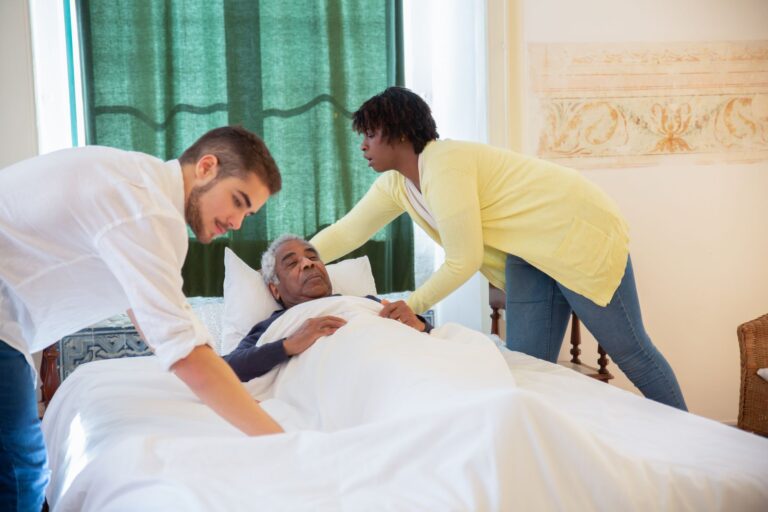
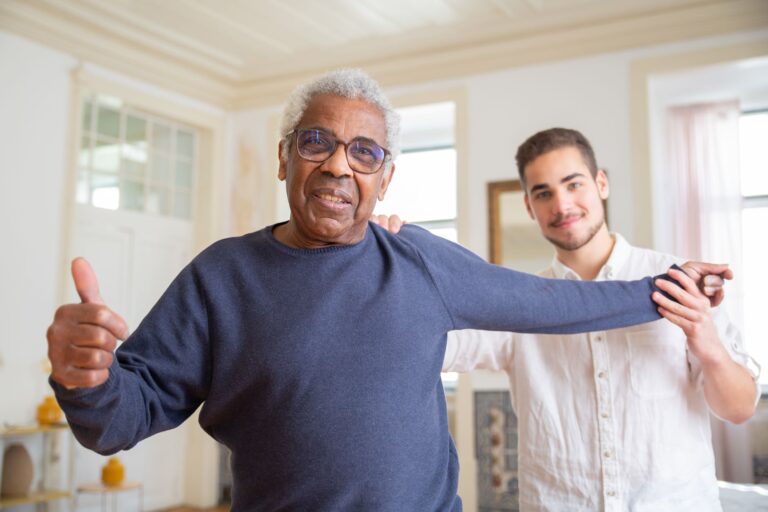
Good programs teach skills you will use the same day. Look for guided practice in bathing, moving safely, meals, medicines, and clear communication. For brain health, look for coaching on routines, calm responses, and ways to reduce confusion.
Watch for vague promises and lecture-only classes. A strong course names its topics, shows who teaches, and explains how learners practice. Ask how you get feedback and what happens after the course ends.
Where can you find programs close to home?
Your Area Agency on Aging is a practical starting point for meals, home care, transportation, and local caregiver education. The Administration for Community Living says its Eldercare Locator connects older adults and caregivers to those agencies at 800-677-1116 or eldercare.acl.gov through the Eldercare Locator help page.
Use these steps to narrow choices fast: Bring a short list of daily tasks you find hard. Staff can then point you to the closest match. Keep notes on waitlists and next start dates.
- Call your Area Agency on Aging and ask about current caregiver training and education.
- Ask about schedule, location, hands-on practice, cost, and dementia content.
- Ask who the training fits: family caregivers, paid aides, or both.
- Pick one program with clear practice time and start there.
Do you need certified nurse aide training?
Family training builds home skills. Nurse aide training prepares people for paid work in nursing homes and other care settings. The Minnesota Department of Health, summarizing federal rules, states that nursing-home aide programs must provide at least 75 clock hours, including at least 16 hours of supervised practical training before direct resident contact, plus a competency exam in its nurse assistant program FAQ.
Use that standard to judge quality. Ask how many clock hours are guided practice and when supervised practice happens. Ask how the program prepares you for the competency exam.
What helps with dementia or Veteran caregiving?
Dementia care works best when it centers the person, not only the task. The Alzheimer's Association offers essentiALZ training and certification for professionals in long-term-care and community settings, teaching evidence-based person-centered dementia care with certification and continuing-education credit, described in its dementia care training page. Veteran caregivers have another direct option.
The U.S. Department of Veterans Affairs says its Caregivers FIRST is a nationwide four-session group program that teaches Veteran caregivers about VA and community resources, peer support, and practical skills through its Caregivers FIRST page. Ask your local VA Caregiver Support team about current groups.