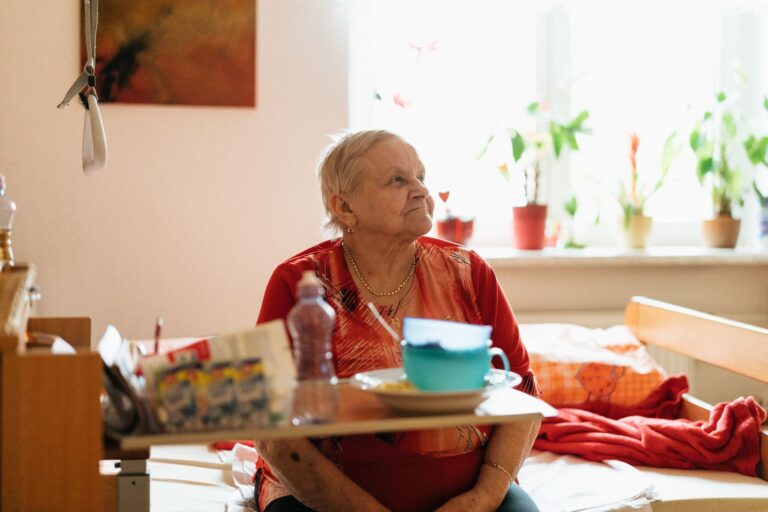
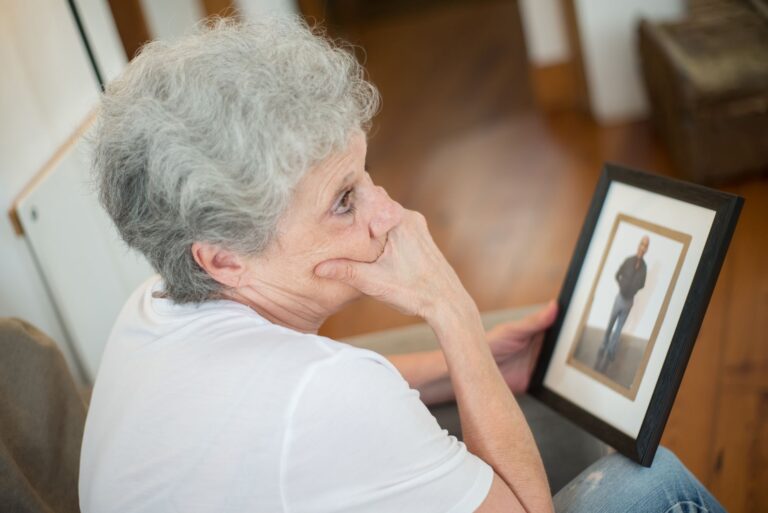
Unpaid dementia care is the largest cost facing working dementia caregivers in 2026, and care plans must account for it. A working dementia caregiver is an employed family member or friend who helps a person with dementia with daily needs, supervision, and decisions. The USC Schaeffer Center estimated total U.S.
dementia costs at $818 billion in 2026, driven largely by quality-of-life losses and family caregiving rather than medical bills alone in the USC cost estimate. That finding shifts planning away from medical bills alone. Work schedules, backup coverage, and lost earnings belong at the center.
Medical information disclaimer: This article is for general educational purposes only and does not provide medical advice, diagnosis, or treatment. Always consult a physician or other qualified health professional about symptoms, medications, tests, or treatment decisions.
Table of Contents
- Where unpaid care costs come from
- How does caregiving collide with work?
- What did the 2026 summit prioritize?
- How can working caregivers build a workable plan?
Where unpaid care costs come from
About 5.2 million family members and friends, often in prime working years, provided 6.8 billion hours of unpaid dementia care valued at $237 billion in 2026, according to the USC Schaeffer Center in the USC cost estimate. Those hours include meals, bathing, medications, safety checks, rides, and overnight supervision. Each task looks small alone, but together they replace paid care.
Medical and long-term care spending is smaller than many families expect. Care planning should therefore track time first, then bills. A calendar of who covers mornings, evenings, weekends, and emergencies reveals the real cost.
How does caregiving collide with work?
Six in 10 Alzheimer's and dementia caregivers were employed while caregiving, averaging 35 work hours weekly, according to the Alzheimer's Association 2026 Facts and Figures in the Association's 2026 report. Among employed dementia caregivers, 57% sometimes arrived late, left early, or took time off. Those disruptions reduce earnings, slow advancement, and raise stress.
People with dementia and care partners together forgo about $23 billion in annual earnings. Lost pay makes unpaid hours harder to sustain. Workers need a plan that protects both income and care quality.
What did the 2026 summit prioritize?
The NIA convened the virtual 2026 Dementia Care and Caregiving Research Summit on March 17-19, 2026 to review progress and identify unmet research needs informing NIH milestones and the National Plan. The meeting framed caregiving as a long-term planning issue, not a short crisis. Work impact was part of that picture.
Summit follow-up priorities emphasized preserving personhood, involving people with dementia and care partners in care planning, improving coordination, and supporting those without a care partner, as summarized by ComForCare in the summit follow-up summary. Personhood means the person's values, routines, and preferences guide choices. Coordination means doctors, home aides, family, and employers receive the same plan.
How can working caregivers build a workable plan?
Start with a written coverage map for a normal week and a crisis week. List daily tasks, travel time, and who can step in within two hours. Update the map when work shifts change or symptoms progress.
Use the summit themes as checks for each decision: Keep one shared note with contacts, routines, medication times, and employer-approved schedule options. Review lifetime exposure too, since average lifetime dementia care cost reaches $405,262 per person in 2024 dollars, with families bearing most of it through unpaid care and out-of-pocket spending. Ask for help before late arrivals and missed shifts become routine.
- Does the person with dementia help shape the choice when possible?
- Who coordinates medications, visits, and messages across helpers?
- What backup covers work meetings, travel, illness, and nights?
- What support exists if no other care partner is available?
You Might Also Like
- Insurance Fragmentation and Dementia Costs in the 2026 NIA Report: Cost and Access Questions for Working Dementia Caregivers
- Financial Vulnerability Before Dementia Diagnosis in the 2026 NIA Report: Cost and Access Questions for Working Dementia Caregivers
- The NIA 2026 Dementia Care and Caregiving Summit Report: Cost and Access Questions for Spouses and Partners