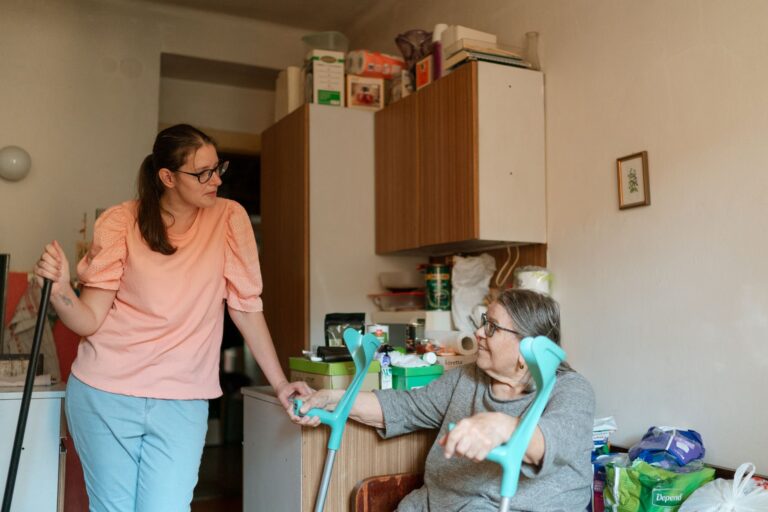
Caregivers find memory care facilities for Parkinson's disease dementia — dementia that develops in later-stage Parkinson's disease — by confirming the diagnosis, seeking Parkinson's-experienced facilities, and comparing inspection results and in-person visits. They combine physician referrals, public ratings, and local aging services to build a short list. The Parkinson's Foundation advises in its care facility guide that caregivers consider a facility when advanced Parkinson's makes home care unsafe or overwhelming. Such facilities offer round-the-clock staff help, social activities, and on-site medical and rehabilitation professionals.
Medical information disclaimer: This article is for general educational purposes only and does not provide medical advice, diagnosis, or treatment. Always consult a physician or other qualified health professional about symptoms, medications, tests, or treatment decisions.
Table of Contents
- Confirm the diagnosis and line up expert help
- Look for Parkinson's and dementia experience
- Compare inspection results and dementia focus
- Tour in person, more than once
- Get local referrals and practical support
Confirm the diagnosis and line up expert help
Ask a physician to confirm Parkinson's disease dementia before searching. The Parkinson's Foundation's dementia checklist tells caregivers to find a doctor familiar with both Parkinson's dementia and Lewy body dementia. Call its Helpline at 1-800-4PD-INFO for referrals and education.
A confirmed diagnosis shapes medication plans, safety needs, and eligibility. Bring the diagnosis, current prescriptions, fall history, and swallowing problems to every facility inquiry. That record helps staff say whether they can manage the case.
Look for Parkinson's and dementia experience
For advanced Parkinson's, choose a facility experienced with both Parkinson's and dementia. Ask how staff handle medication timing, fall prevention, swallowing precautions, and staffing ratios. Those four answers reveal daily safety more than brochures do.
- Can staff give Parkinson's drugs on a strict time schedule, including nights and weekends?
- What fall-prevention steps are used during transfers, toileting, and nighttime wandering?
- What swallowing precautions and diet options are in place for choking risk?
- What is the staff-to-resident ratio on days, nights, and weekends?
Compare inspection results and dementia focus
Use Medicare's Care Compare to compare certified nursing homes side by side. The Centers for Medicare & Medicaid Services reports in its nursing home comparison tool a 1-to-5-star overall rating plus separate ratings for health inspections, staffing, and quality measures, with comparison of up to three facilities. Review those inspection reports before touring.
Weight dementia specialization heavily. An NIA-funded study found residents with Alzheimer's or related dementia had better outcomes in facilities that specialized in dementia care, while most U.S. nursing homes offer only limited specialized care. Ask how many residents have Parkinson's dementia, what training aides receive, and how agitation or hallucinations are managed.
Tour in person, more than once
Visit in person, meet staff, and watch how staff speak with residents. The Alzheimer's Association advises caregivers to observe staff-resident communication and contact other families about their experience and concerns. A calm unit, named nurses, and respectful redirection matter more than fresh paint.
Schedule ideally multiple visits at different times of day, including an evening or weekend. VA caregiver guidance recommends direct questions about room availability, costs, and Medicare or Medicaid payment during tours. Note smells, call-light response, fall hazards, and whether Parkinson's medications are stored and logged for exact-time dosing.
Get local referrals and practical support
The federal Eldercare Locator connects caregivers to local Area Agencies on Aging by ZIP code. The Administration for Community Living explains in its getting-started guide that the service at eldercare.acl.gov or 1-800-677-1116 covers meals, home care, transportation, and caregiver support. Use it to find nearby options, wait-list help, and respite during the search.
Bring a one-page summary to the agency or Helpline call. List diagnosis, mobility needs, behaviors, budget, payment source, preferred distance, and move timeline. Enter your ZIP code at eldercare.acl.gov or call 1-800-677-1116 to start the local list.